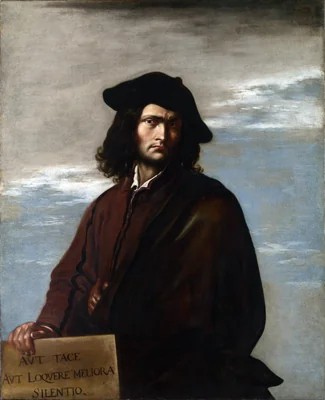
Salvator Rosa
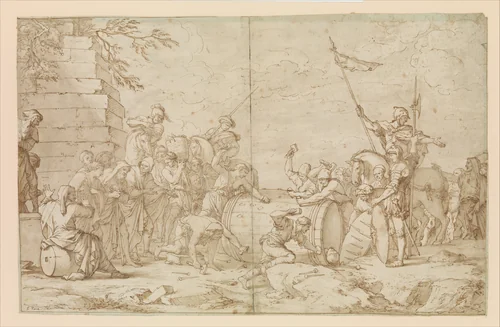
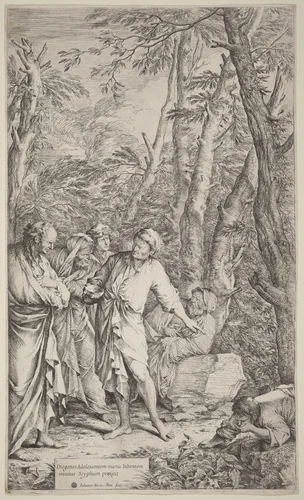
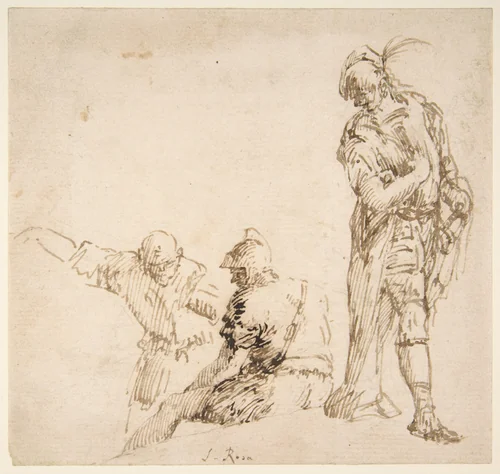
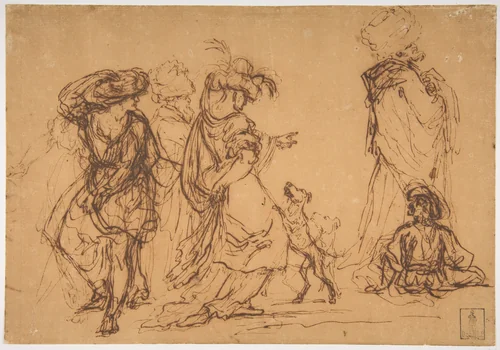
Salvator Rosa was one of the most highly celebrated figures of 17th-century Italian Baroque art, achieving significant fame in his own lifetime. Although his contemporary renown stemmed from his wide-ranging skills, he is principally remembered today as a painter and printmaker whose innovative approach to landscape profoundly altered the genre. Active sequentially in Naples, Rome, and Florence, Rosa distinguished himself through compositions that engaged with dark, untamed natural settings and a heightened emotional atmosphere.
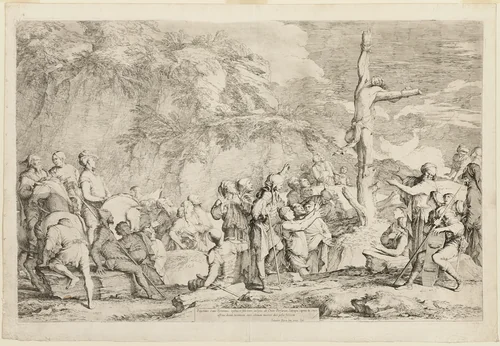
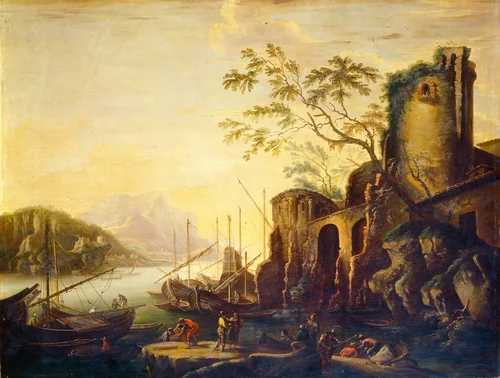
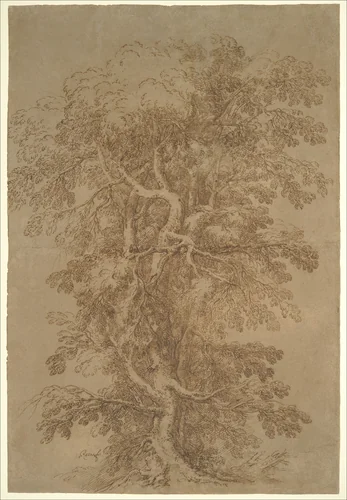
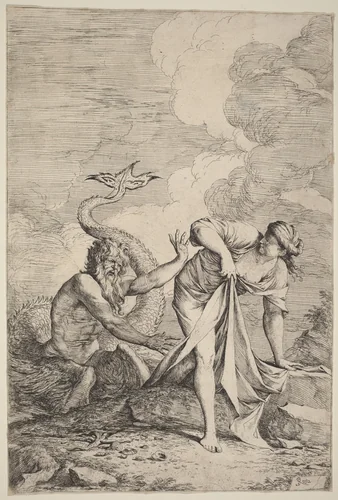
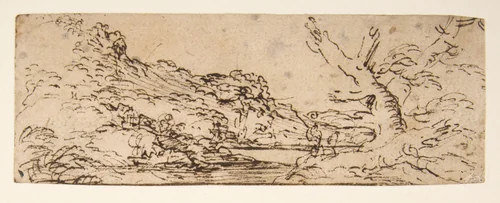
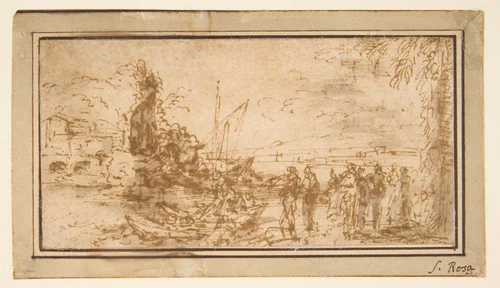
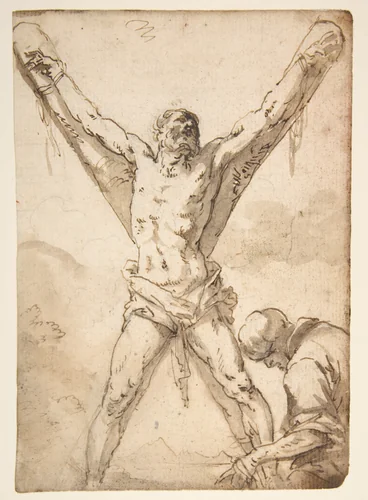
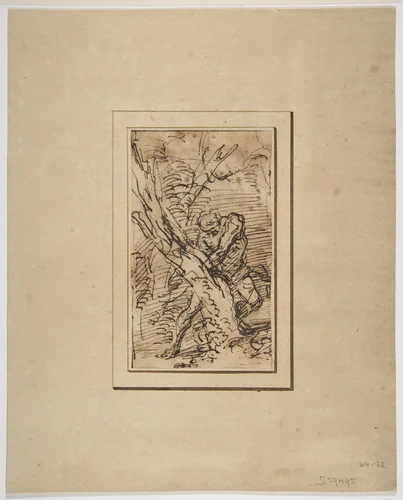
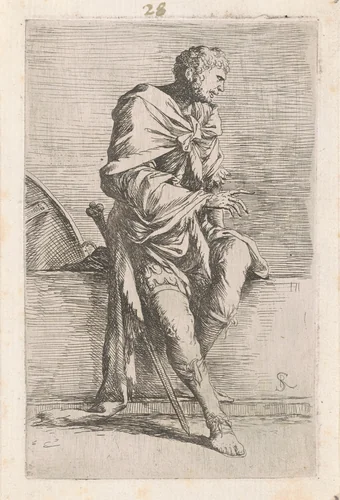
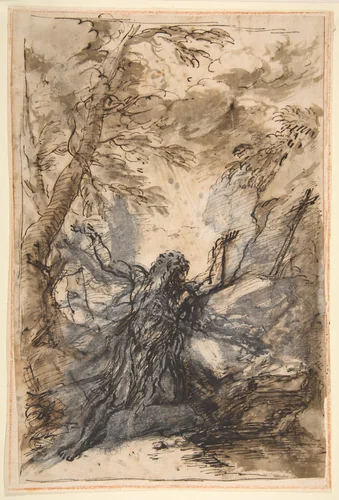
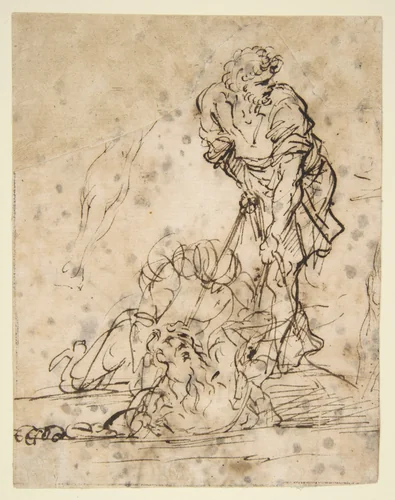
His aesthetic contribution lies primarily in the romanticisation of nature. Moving away from the classical idealized vistas favored by his contemporaries, Rosa infused his scenes with a sense of the wild and the sublime, a style that exerted considerable influence across Europe from the late 17th century well into the early 19th century. This dramatic sensibility is visible both in his drawings, such as A Large Tree, and in major history paintings like The Crucifixion of Polycrates and the marine study Marina delle Torri. The intensity and visual drama present in his etching Death of Regulus confirm his mastery of the print medium as well.
During his lifetime, Rosa’s artistic identity extended far beyond painting. He was regarded as an accomplished poet, satirist, actor, musician, and printmaker. His flamboyant personality and keen intellect often manifested in biting social commentary; indeed, Rosa’s caustic satire was so sharp that it frequently earned him enemies within the powerful artistic and intellectual circles of the day, occasionally compelling him to move swiftly between cities. He appears to have been an artist whose wit was as dangerous as his brush was effective.
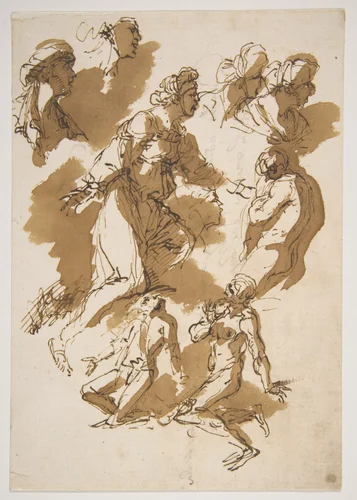
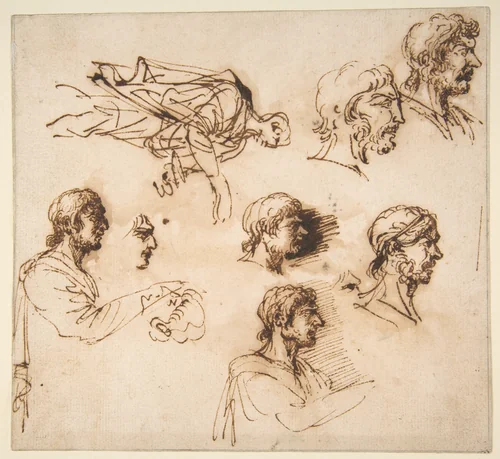
His works, comprising important examples of Salvator Rosa paintings and numerous influential prints, form cornerstones of major public collections, including the National Gallery of Art, the Metropolitan Museum of Art, and the Art Institute of Chicago. Today, thanks to the accessibility afforded by the digitization of museum archives, many of his highly influential drawings and prints are available as high-quality prints, ensuring that his distinct vision continues to shape our appreciation of the Baroque period.
Source: Wikipedia · CC BY-SA 4.0