Salomon van Ruysdael
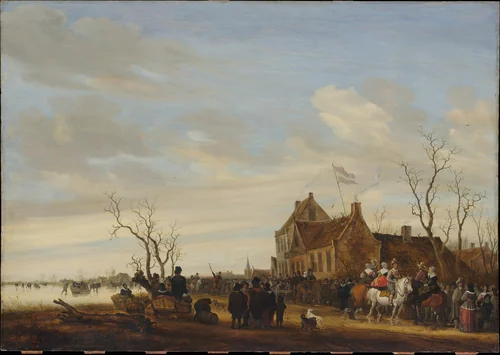
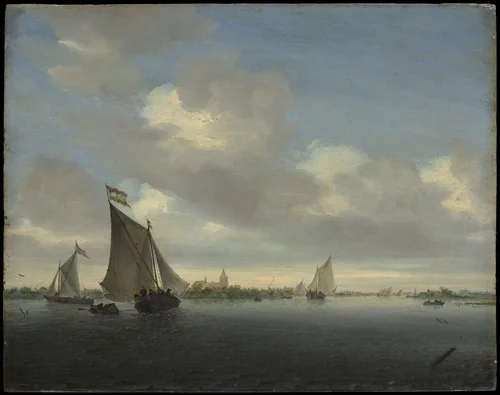
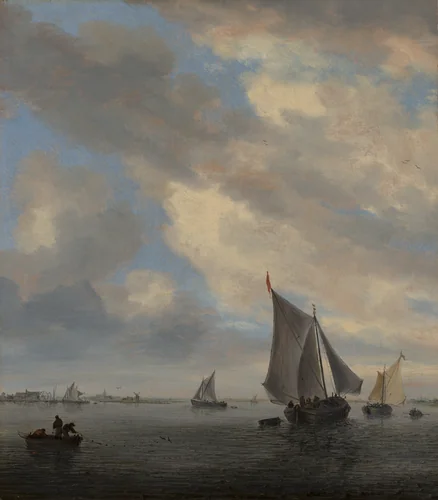
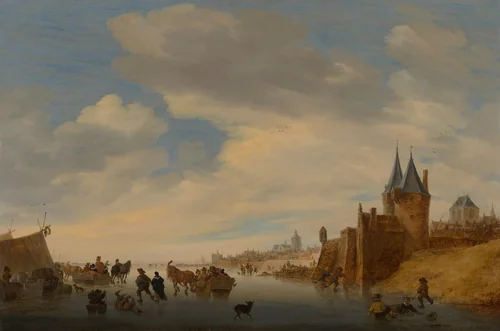
Salomon van Ruysdael (c. 1600-1670) was a central figure in Dutch Golden Age painting, establishing the groundwork for the era’s celebrated landscape tradition. Active for over four decades, roughly from 1610 to 1650, Ruysdael specialized in conveying the vast, low-lying atmosphere of the Netherlands, moving the genre away from detailed topographical records toward unified expressions of mood and light. He was remarkably prolific, with surviving documentation detailing numerous paintings and drawings produced over his career.
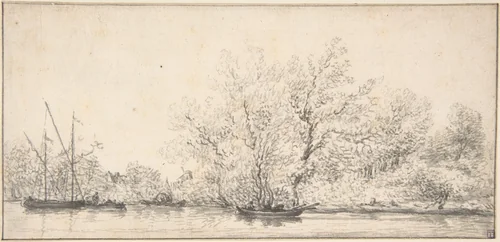
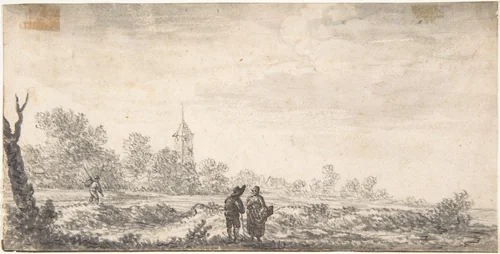
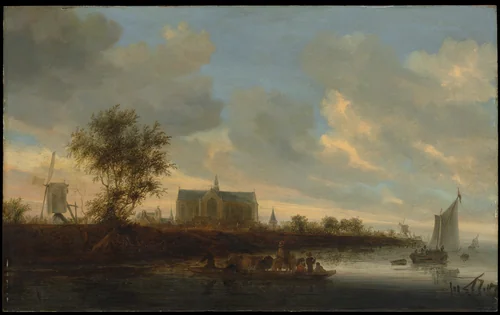
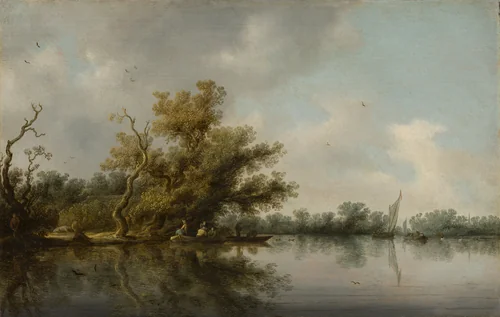
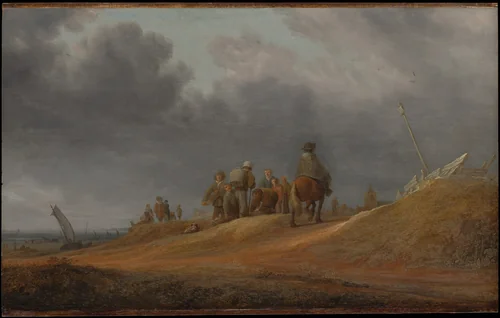
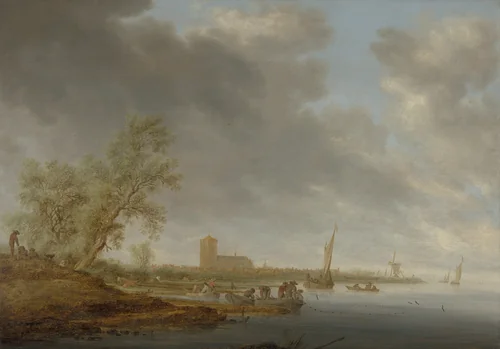
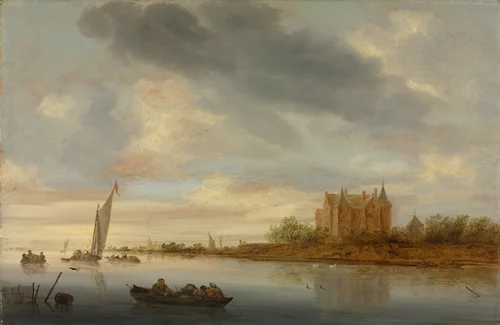
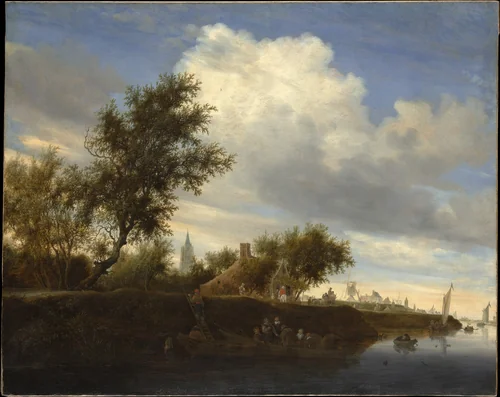
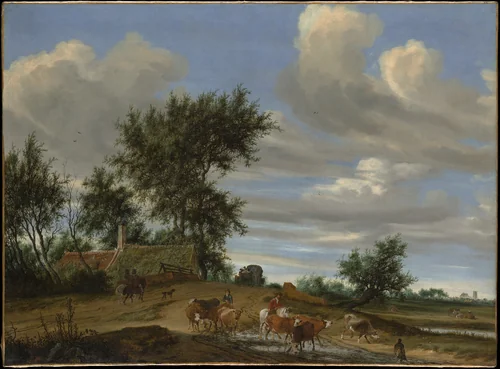
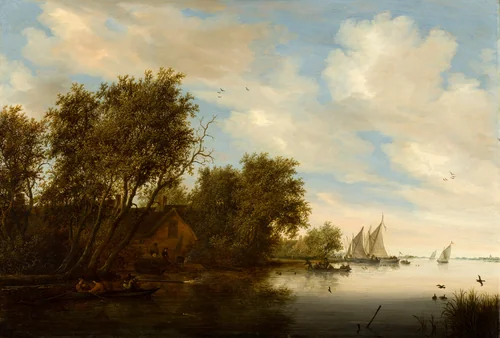
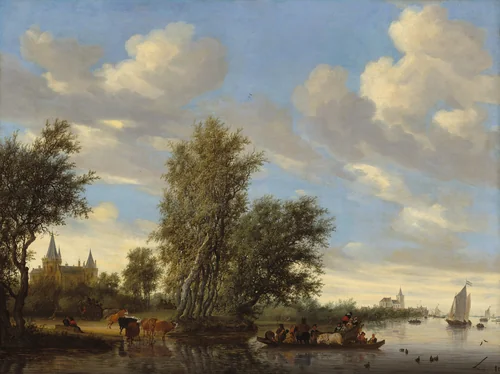
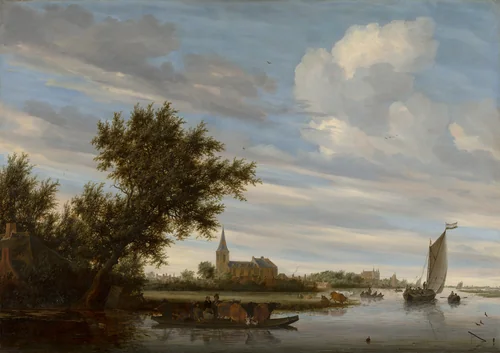
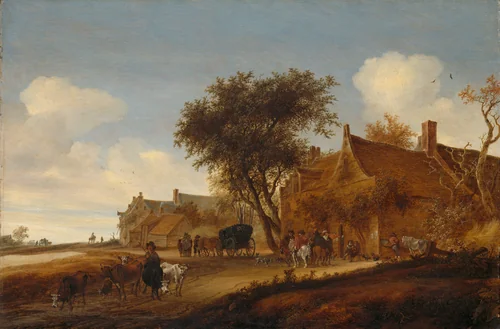
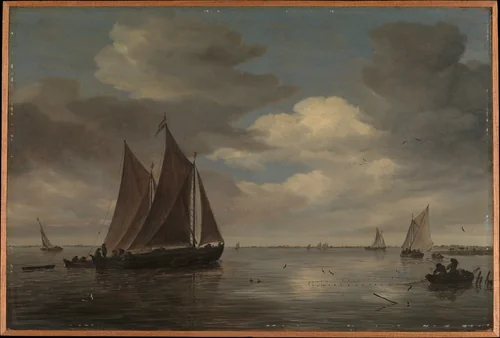
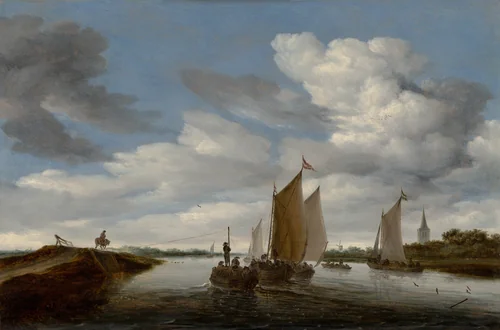
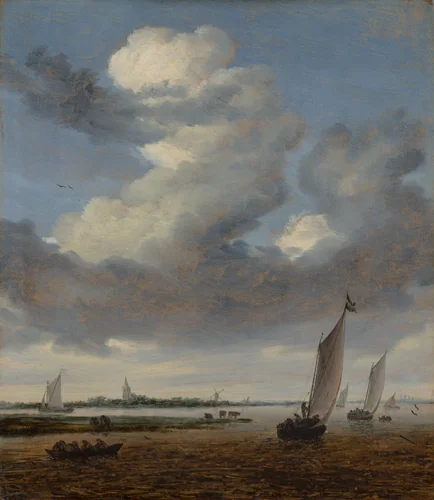
Ruysdael is best recognized for perfecting the "tonal landscape," a style characterized by a deliberately restrained palette of muted greens, browns, and soft ochres. This approach allows the immense Dutch sky to dominate the composition, often accounting for two-thirds of the canvas area, lending his works an expansive, airy quality. His preference for river scenes, ferries, and clustered villages reflects the dynamic commercial life of the region. Works like River Scene with Boats before a densely Wooded Bank and Landscape with Two Figures Conversing illustrate his mastery in fusing human activity with sweeping natural drama, captured often through a low horizon line and the subtle rendering of diffuse light.
Historically, Salomon holds the significant distinction of being the uncle of Jacob van Ruisdael, who would later become the undisputed master of 17th-century landscape art. While Jacob is often celebrated for his more dramatic, almost Romantic vistas, it was Salomon who established the crucial stylistic foundation, proving that sometimes the foundational relative, the quiet innovator, is the necessary prerequisite for subsequent genius.
Today, Salomon van Ruysdael paintings are considered essential viewing for understanding the progression of Dutch Realism. Major works, including his striking View of the Town of Alkmaar and the detailed Market by the Seashore, are held in prominent international collections such as the National Gallery of Art, the Cleveland Museum of Art, and the Art Institute of Chicago, confirming their enduring museum-quality appeal. As many of these important historical pieces reside now in the public domain, their continued relevance is secured, allowing scholars and enthusiasts access to high-quality prints and downloadable artwork for ongoing study and appreciation.
Source: Wikipedia · CC BY-SA 4.0