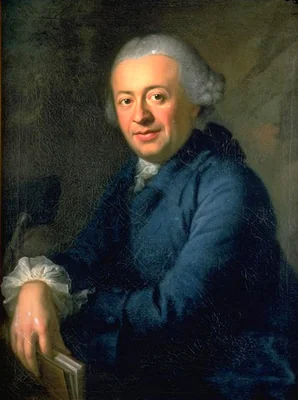
Salomon Gessner
Salomon Gessner (1730-1788) stands as a foundational figure in the intellectual and aesthetic landscape of 18th-century Zurich, celebrated across multiple disciplines as a painter, graphic artist, civic leader, and, most notably in his time, a highly influential poet known for his Idylls. This profound commitment to both the literary and the visual arts allowed Gessner to cultivate a unified pastoral vision that characterized the shift toward sentimentalism during the late Rococo period.
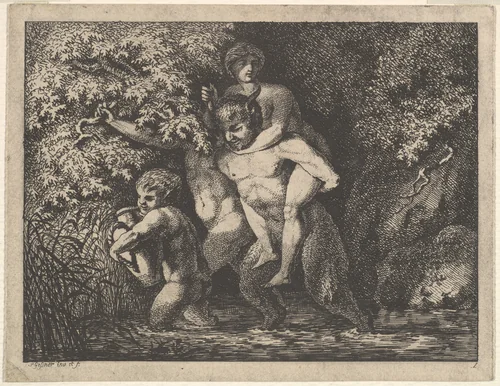
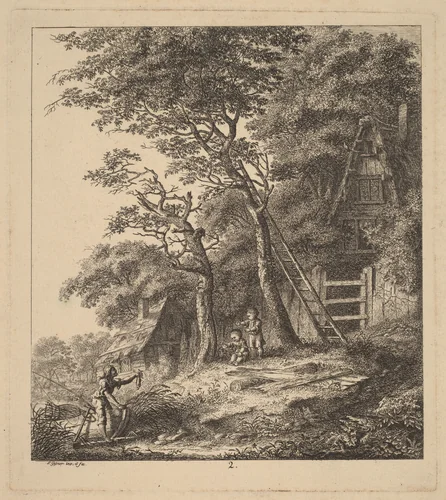
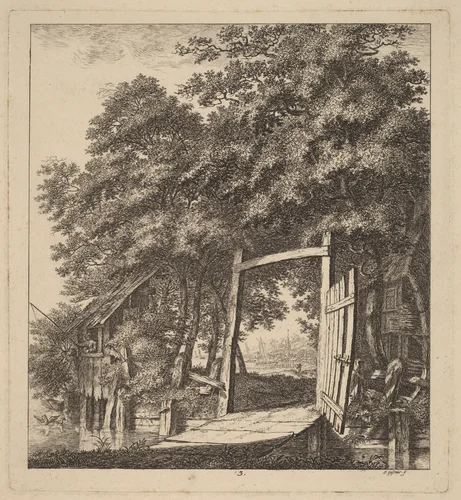
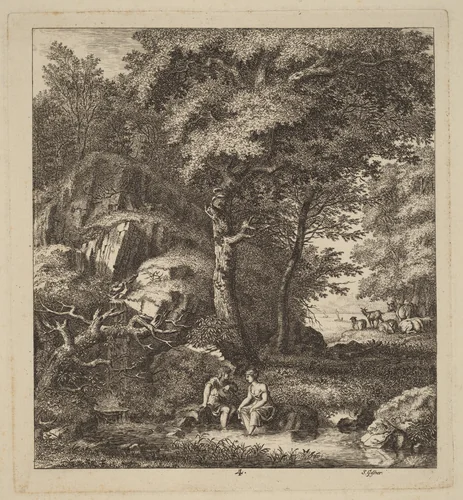
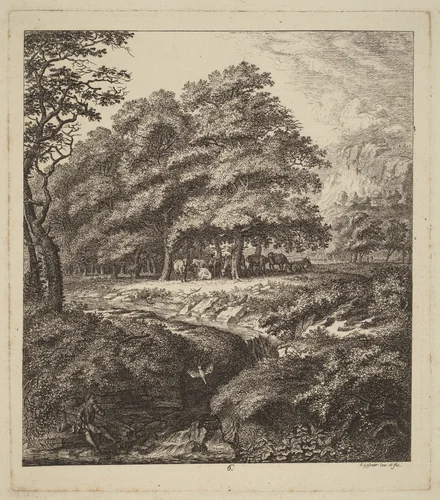
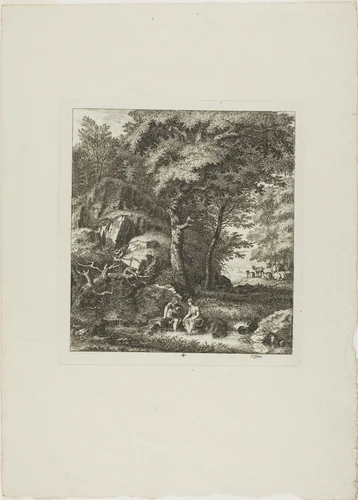
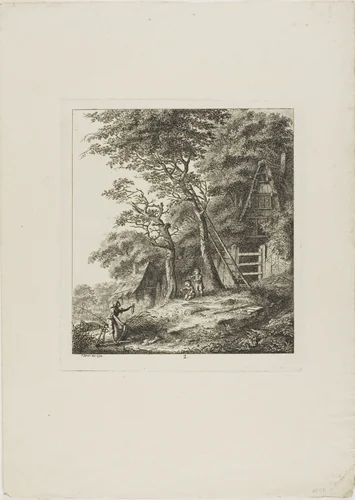
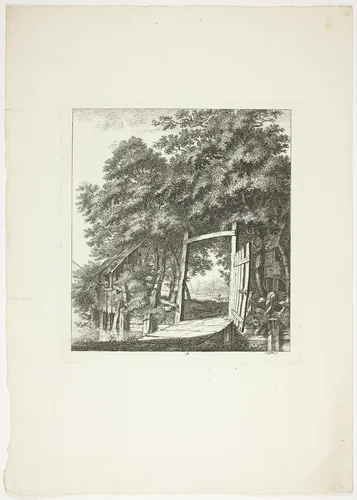
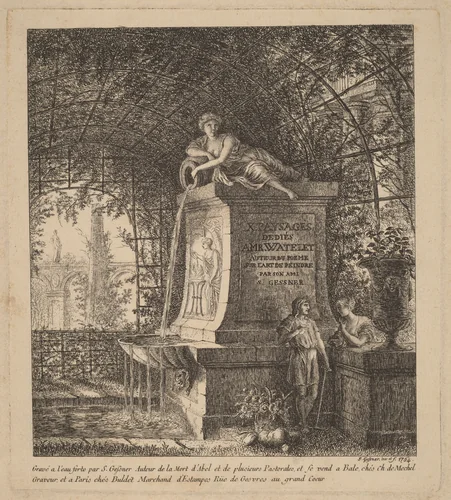
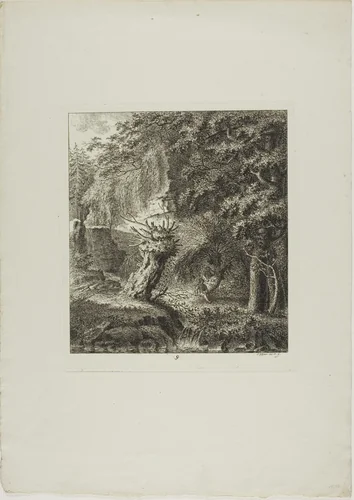
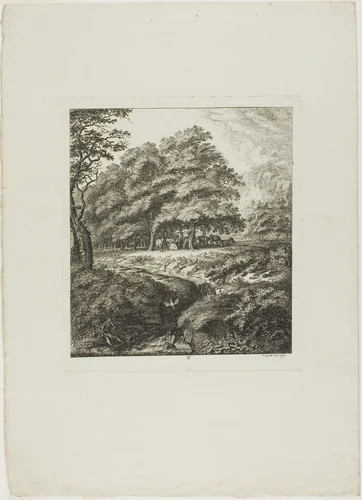
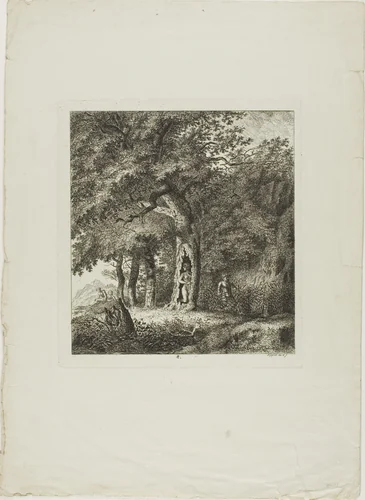
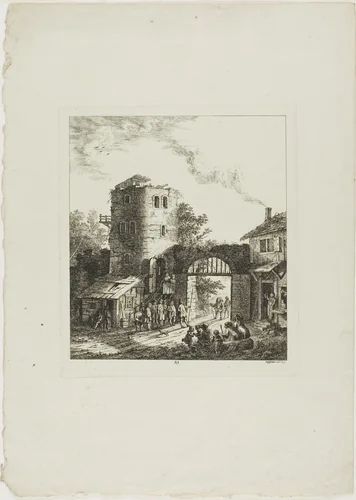
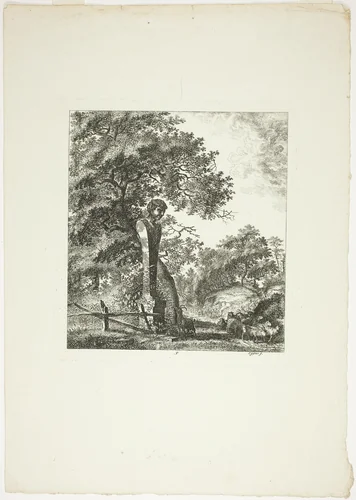
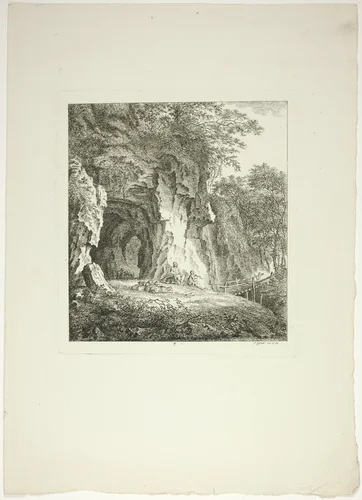
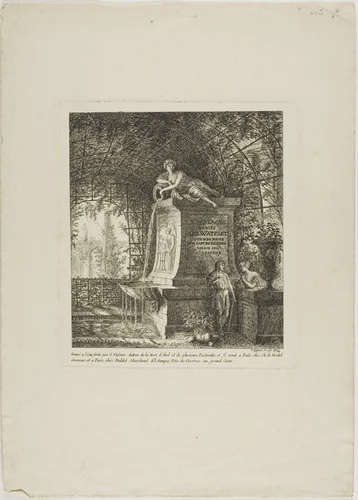
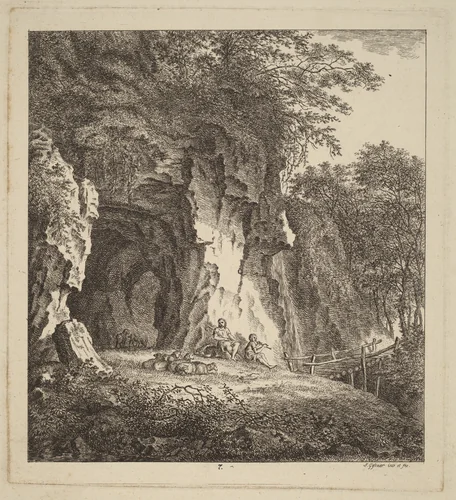
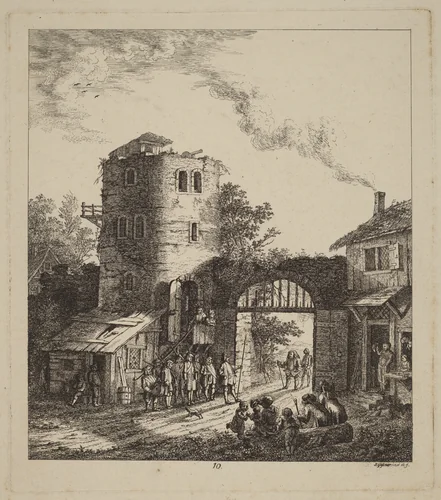
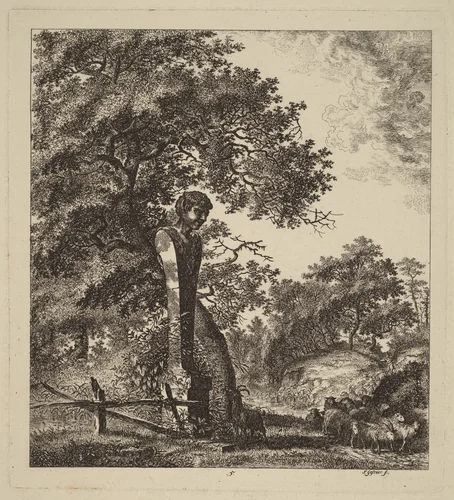
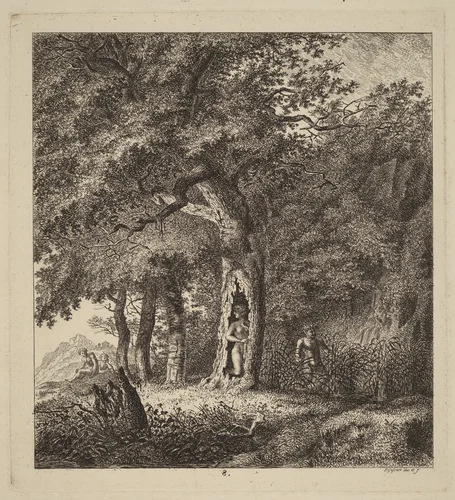
As a graphic artist, Gessner specialized in etching, a medium he mastered to produce intricate and expressive scenes of arcadian life. His works eschew grand narrative drama in favor of quiet contemplation, depicting landscapes that serve as natural stages for human interaction. Compositions such as Satyr family, on the move and Cattle Resting in a Grove with a Man Seated beside a Brook showcase his unique ability to integrate classical motifs with specific, often intimate, observations of the countryside. This sensitive approach ensured that his Salomon Gessner prints circulated widely and were highly prized by collectors across Europe for their technical refinement and gentle atmosphere.
What distinguishes Gessner from many of his artistic contemporaries is the sheer breadth of his civic engagement. He was instrumental in establishing the Helvetic Society, a crucial intellectual forum of the era. Remarkably, he also dedicated significant energy to public administration and journalism, serving as the first publisher and editor of the influential Neue Zürcher Zeitung. This unusual fusion of the contemplative artist and the dedicated public servant imbues his visual work with an added layer of historical context.
Gessner’s artistic legacy remains secured through his 15 known prints, held in the permanent collections of major institutions including the Metropolitan Museum of Art, the Art Institute of Chicago, and the National Gallery of Art. Today, the enduring quality of these images ensures they maintain their museum-quality status. Furthermore, the accessibility of many of these images in the public domain ensures that his poetic vision of the landscape continues to be available globally as high-quality prints for scholars and admirers alike.
Source: Wikipedia · CC BY-SA 4.0