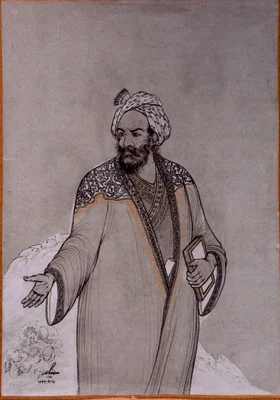
Sa'di
Sa'di is documented as an artistic source associated primarily with the production of illuminated manuscripts and fine calligraphy, active across an extensive period spanning from 1475 to 1600. The substantial duration of this activity suggests either a highly productive career or the influence of an enduring school dedicated to the copying and visual presentation of their poetic works.
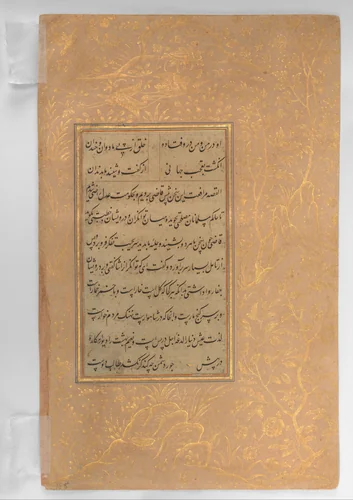
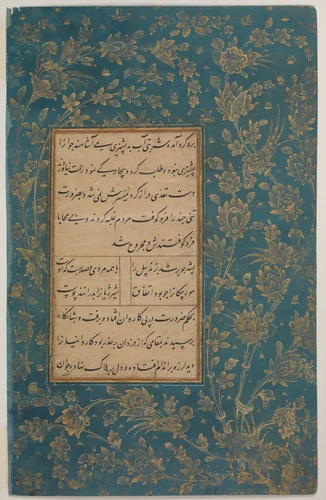
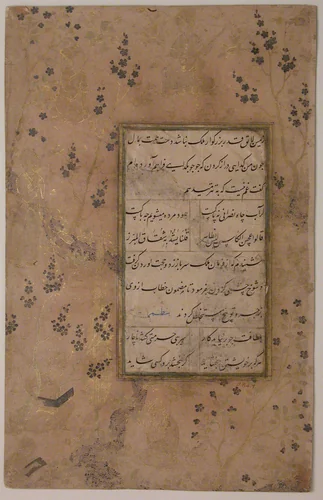
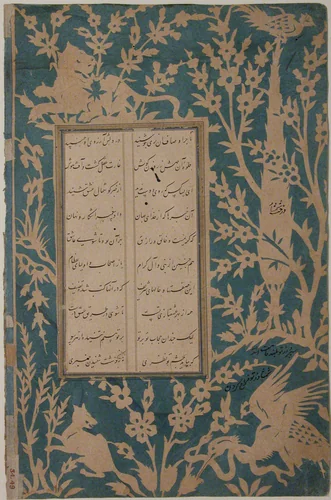
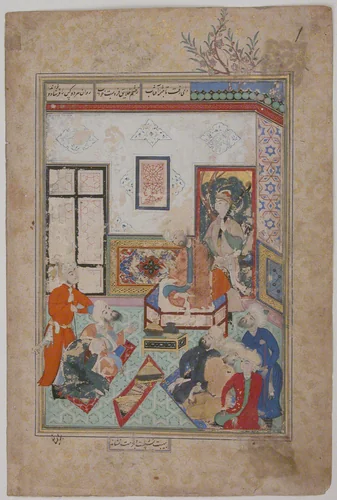
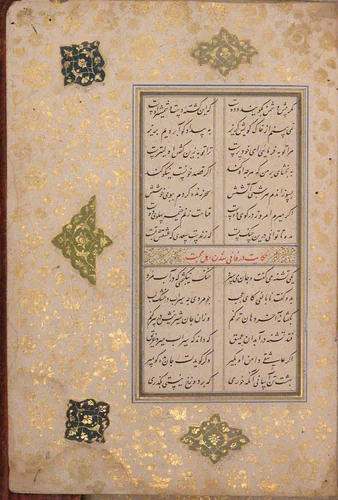
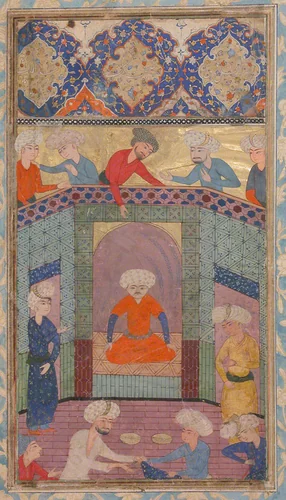
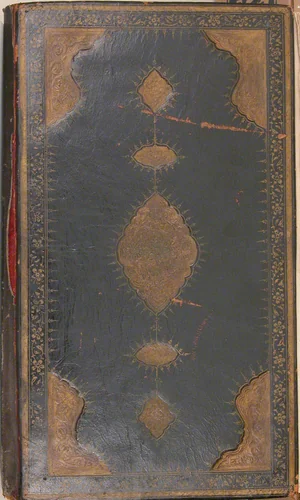
Fifteen manuscripts attributed to or associated with Sa'di are currently represented in major museum collections. These works are vital contributions to the study of Islamic and Persian manuscript arts, generally taking the form of highly refined calligraphy extracted from complete texts or poetry anthologies. The focus is demonstrably on classical literary compilation and precise visual presentation, demanding skills necessary for producing museum-quality texts during the late fifteenth and sixteenth centuries.
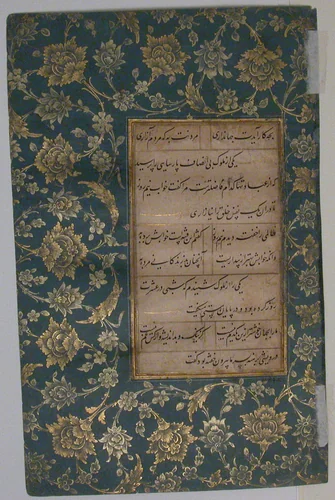
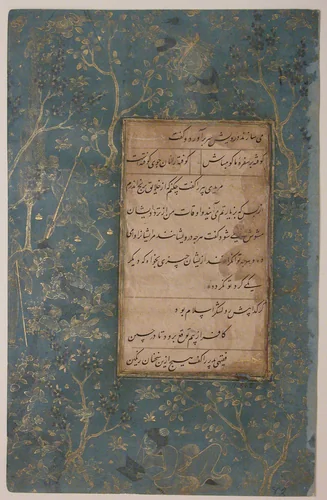
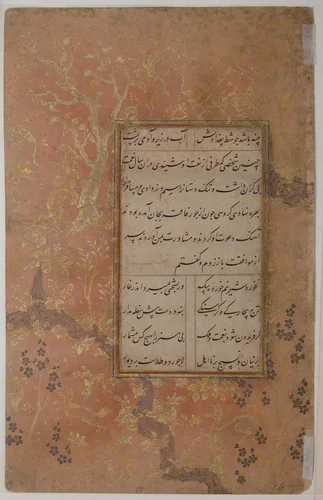
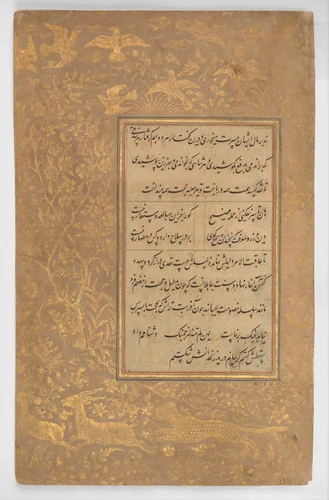
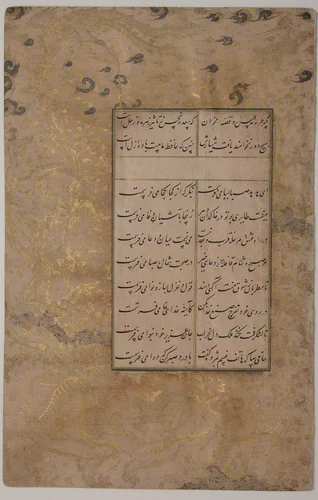
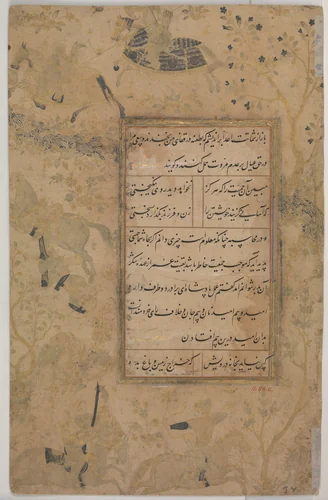
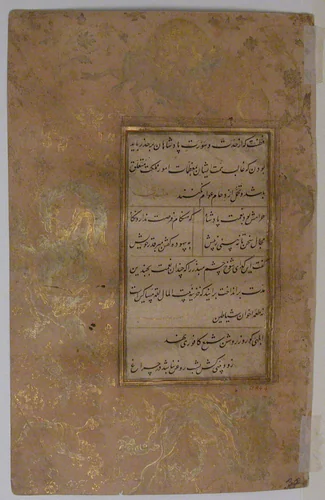
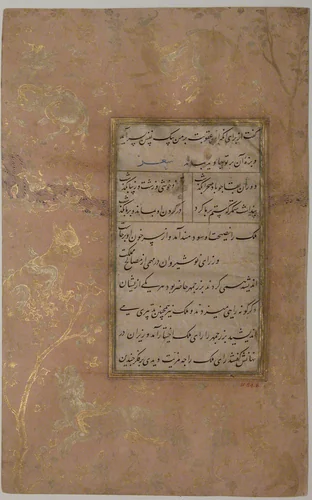
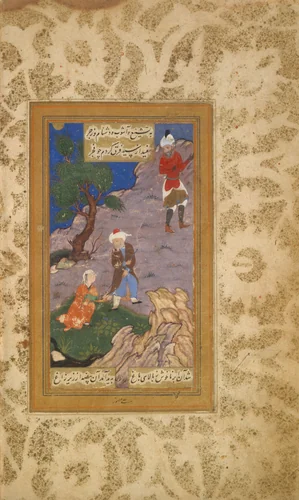
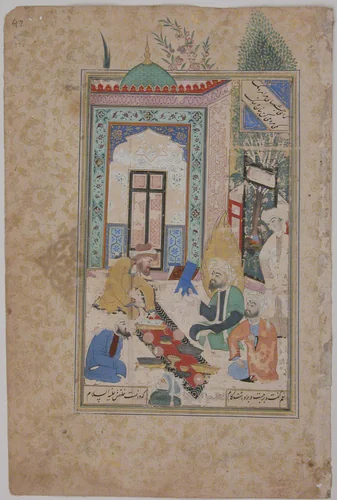
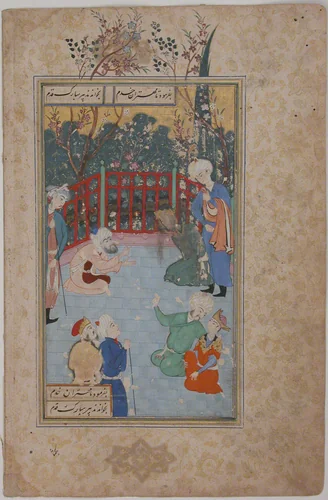
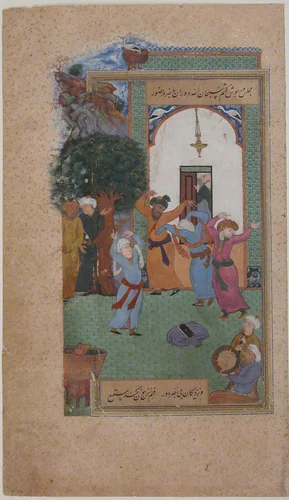
Specific examples of the artist’s output are preserved in the holdings of the Metropolitan Museum of Art, including multiple instances of the Page of Calligraphy from an Anthology of Poetry by Sa`di and Hafiz. The presence of these works in international institutions establishes their historical importance. Given the age and cultural significance of the source material, many Sa'di prints and related pages are now part of the public domain, often available as high-quality prints for scholarly research and appreciation.
Source: Wikipedia · CC BY-SA 4.0