Russian Painter
The designation "Russian Painter" refers to the long tradition of sacred art produced by anonymous masters active between 1470 and 1885. This span encompasses the development of Russian iconography from the Late Medieval period through the 19th century. Thirteen works attributed under this umbrella are currently represented in institutional collections, most notably the Metropolitan Museum of Art.
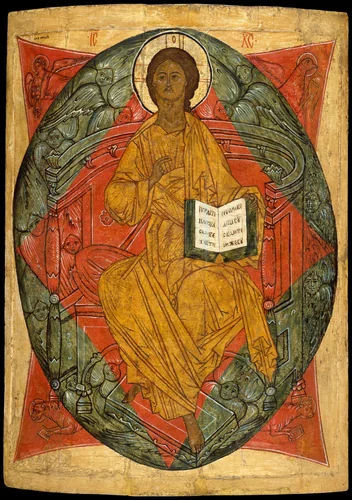
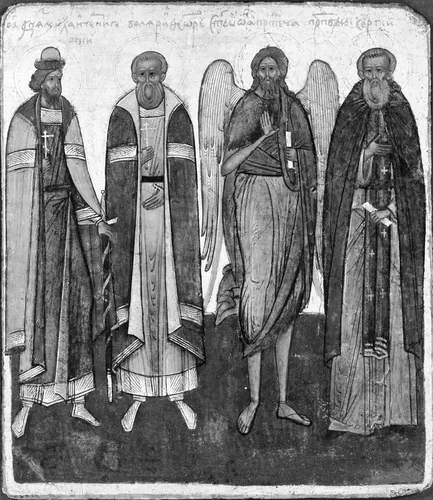
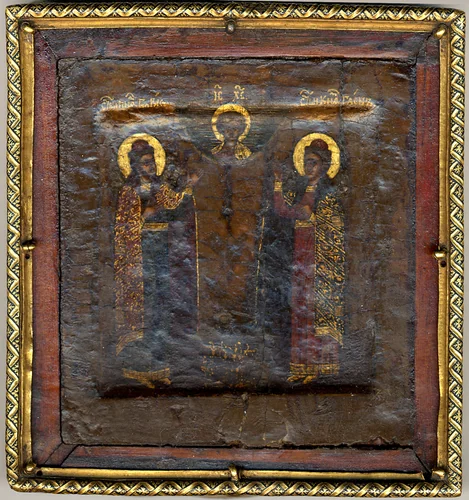
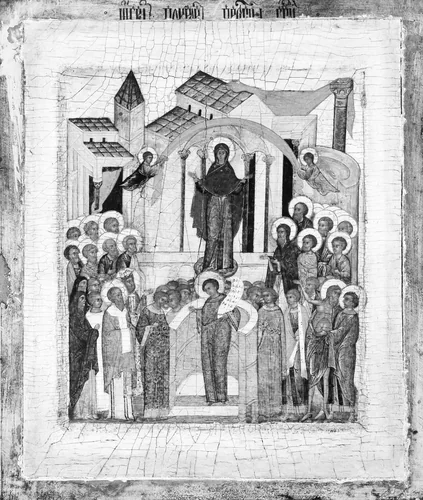
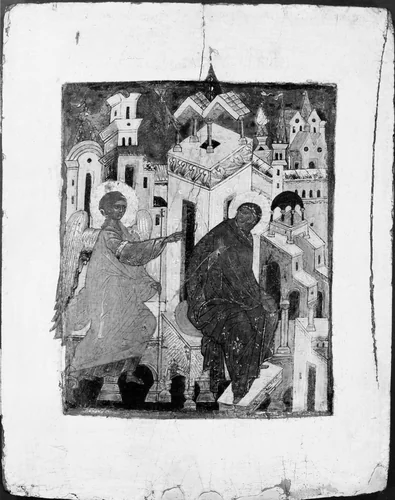
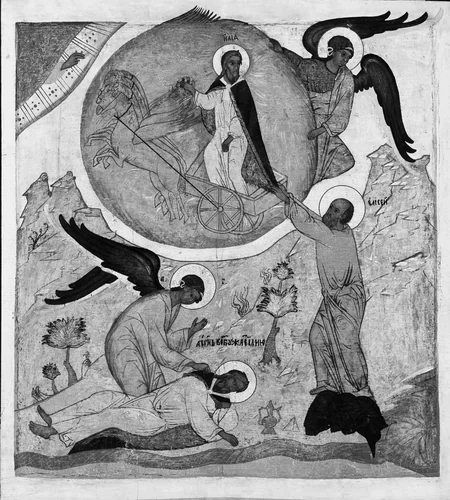
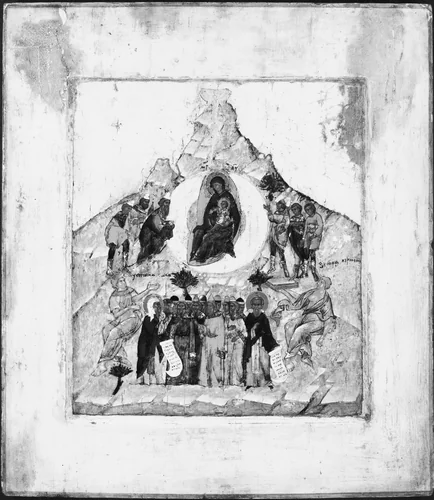
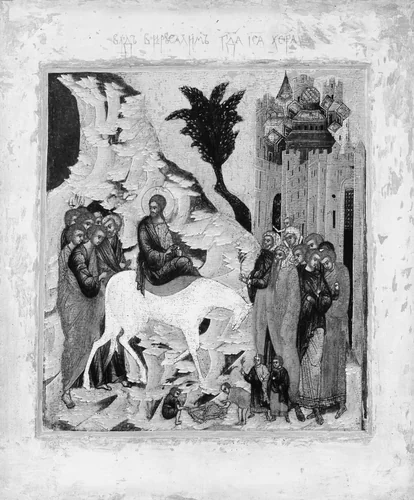
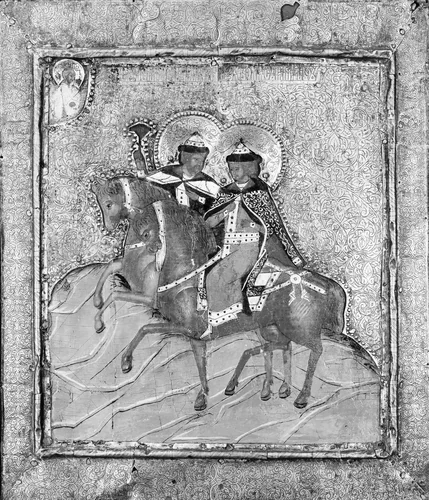
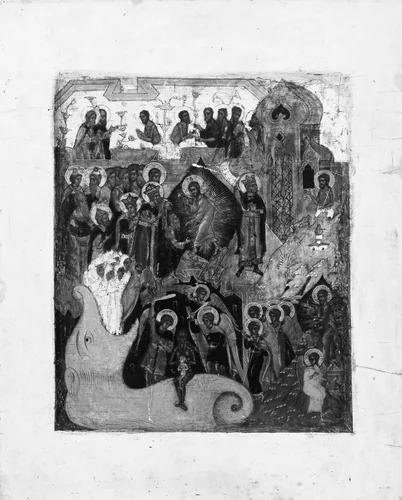
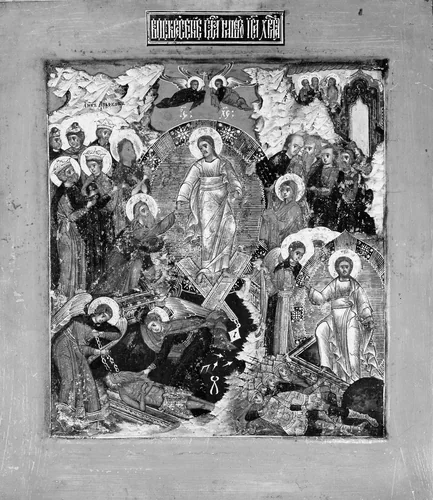
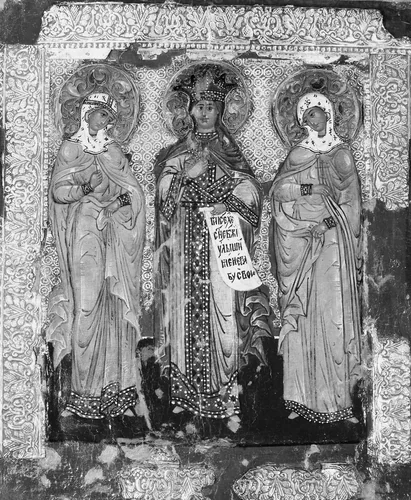
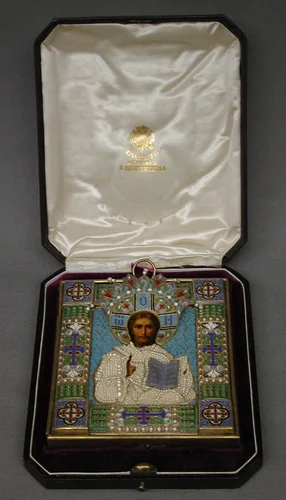
The preserved works consist primarily of religious panels and liturgical objects central to Orthodox iconography. These include twelve paintings and one work crafted in metalwork. The subject matter typically focuses on Christological cycles, the Mother of God, and the veneration of native Russian saints. Notable examples documented in collections include Christ in Glory, The Annunciation, and The Protection of the Mother of God. Further specific pieces, such as The Christ Child with Saints Boris and Gleb and the double-sided Panel from a Saints' Calendar, illustrate the complexity and didactic function of these early Russian Painter paintings.
Documented pieces of this historical scope are crucial for art historical study. Many of the preserved works are considered public domain, allowing institutions to make high-quality prints available to researchers. Today, this tradition provides a significant body of downloadable artwork, ensuring the historical importance of these artifacts remains accessible.