Russia
Russia, spanning Eastern Europe and North Asia across eleven time zones, provided a uniquely vast and diverse matrix for artistic production throughout the eighteenth century (1701-1801). Defined by its sheer scale and the largest population in Europe, the nation experienced profound cultural shifts during this period, marked by the rapid urbanization centered around the ancient capital, Moscow, and the newly established cultural and governmental powerhouse, Saint Petersburg. This expansive reach fostered distinct regional craft traditions while simultaneously drawing upon international styles, yielding objects of considerable technical sophistication.
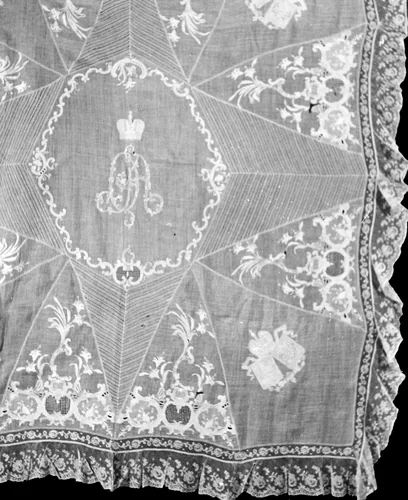
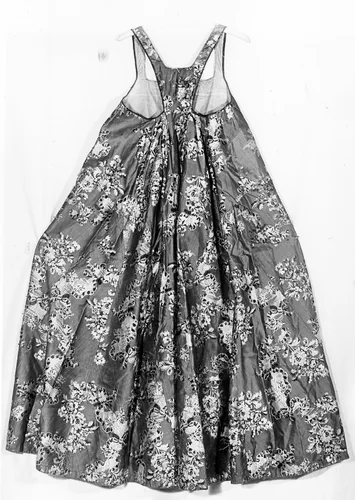
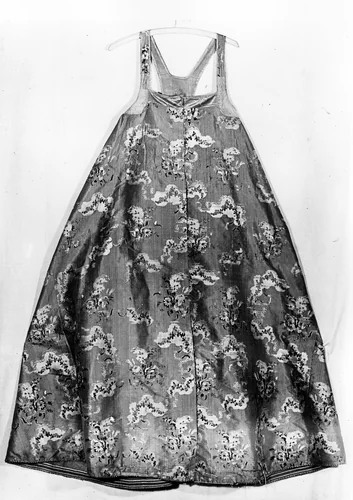
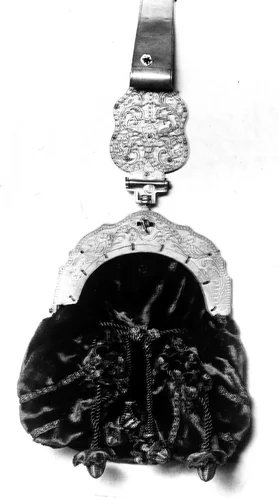
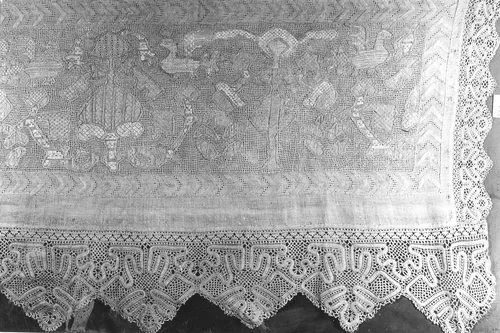
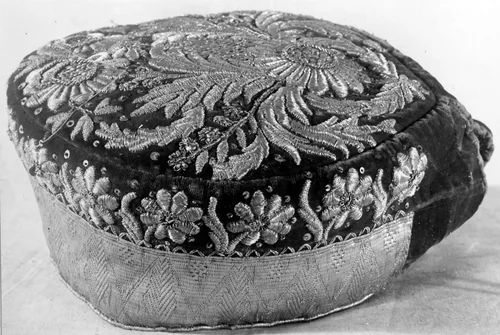
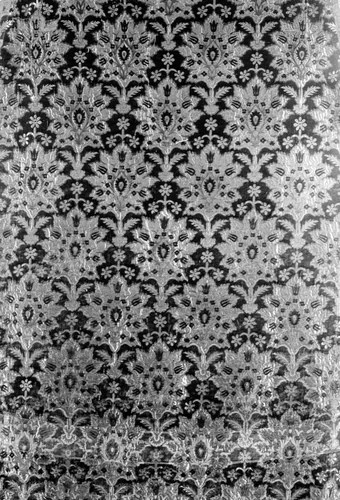
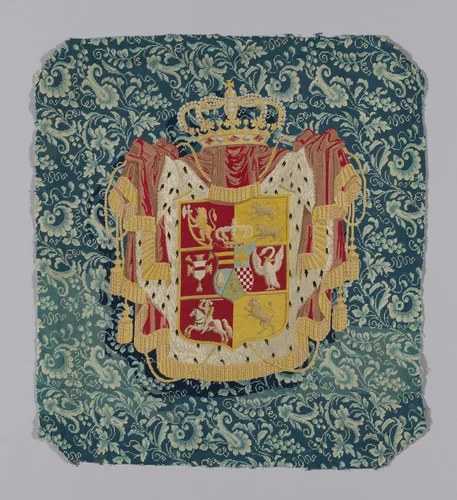
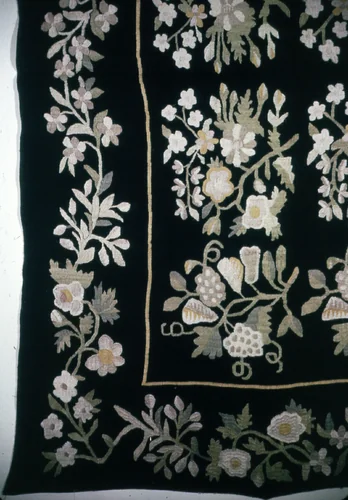
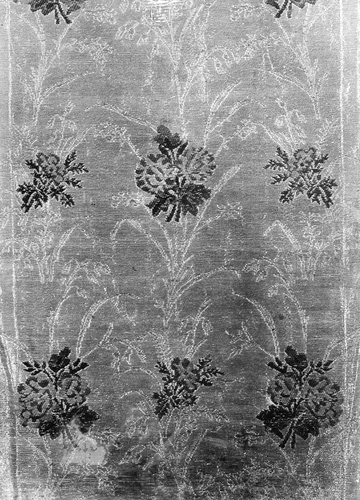
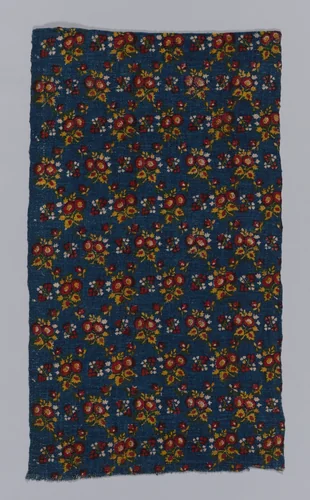
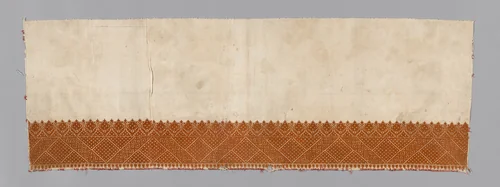
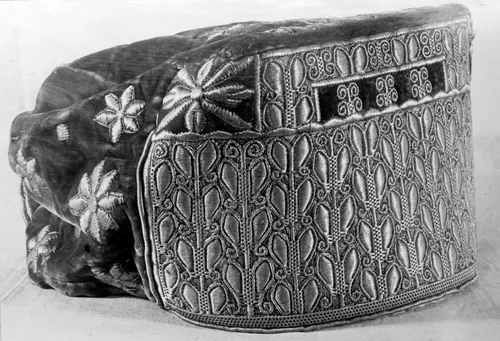
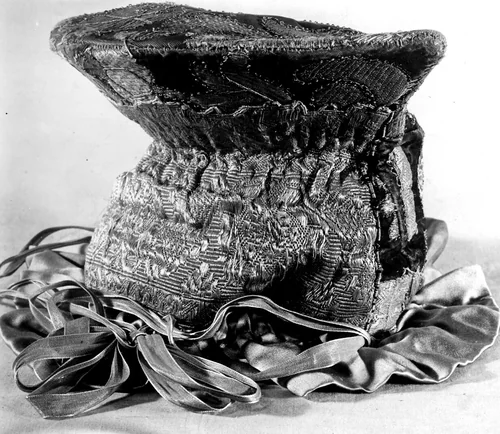
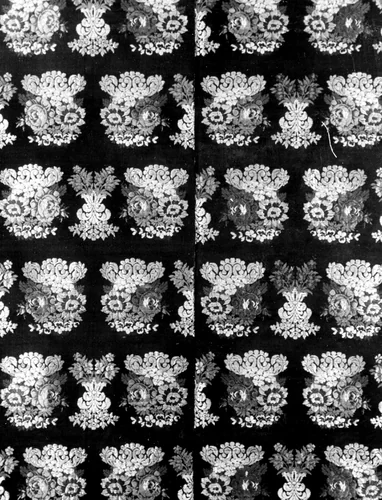
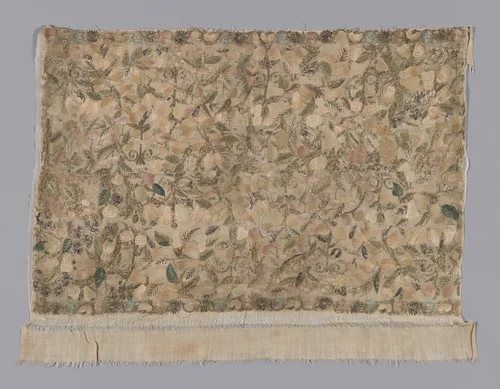
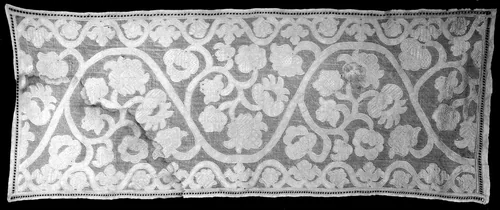
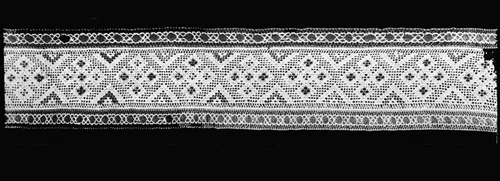
The artistic output documented from this century often emphasizes the mastery of materials related to elite and ceremonial culture. A key corpus of fifteen surviving objects, predominantly textiles, illustrates the high-quality craftsmanship required for both secular and religious life. These include functional and decorative pieces such as the elaborate Cover, a detailed Bag, a finely stitched Border, and several examples of the traditional aristocratic overdress, the Sarafan (Gala Costume). The meticulous construction of these garments and accessories reflects a complex interplay between indigenous weaving techniques and imported silks and dyes, characterizing a period of intense cultural exchange.
While the era is often globally recognized for its monumental architecture and imperial portraiture, Russia’s enduring design legacy is perhaps most accessibly felt through these intimately scaled, tangible objects. The demanding construction necessary for a formal piece like the Sarafan (Gala Costume), designed to project status within the highly urbanized environment, speaks volumes about the dedication of its makers and the wealth of its patrons. For a country defined by extremes of geography and climate, the careful preservation of these delicate historic Russia prints and textiles into the modern era is, in itself, a quiet triumph of material resilience.
These crucial artifacts help define the history of global design and are represented in major institutional collections, including the Art Institute of Chicago. As cultural institutions increasingly digitize their holdings, many of these museum-quality designs are entering the public domain, making high-quality prints and downloadable artwork accessible for study and appreciation worldwide.
Source: Wikipedia · CC BY-SA 4.0