Rudolf Grossmann
Rudolf Grossmann (1882–1942) was an Austrian graphic artist, illustrator, and political essayist whose visual output defined a critical, yet often subtle, engagement with European modernity during the early 20th century. Though active primarily between the turn of the century and the conclusion of the First World War, Grossmann’s influence is confirmed by the sustained inclusion of his compelling works in major international collections, including the Museum of Modern Art in New York and the Rijksmuseum in Amsterdam.
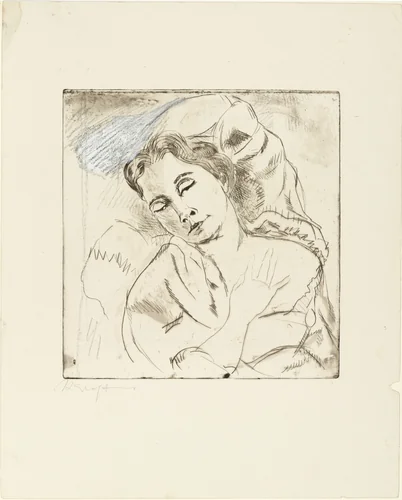
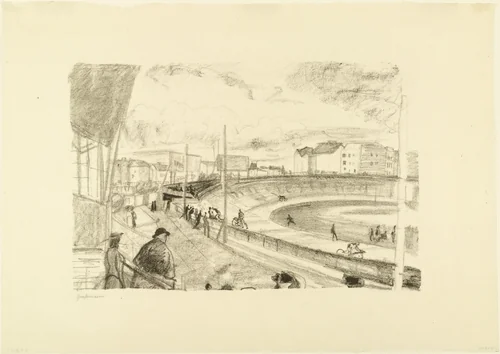
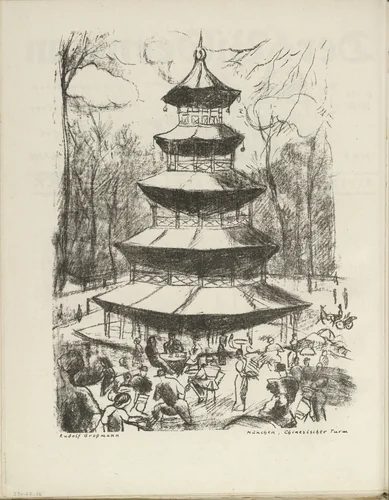
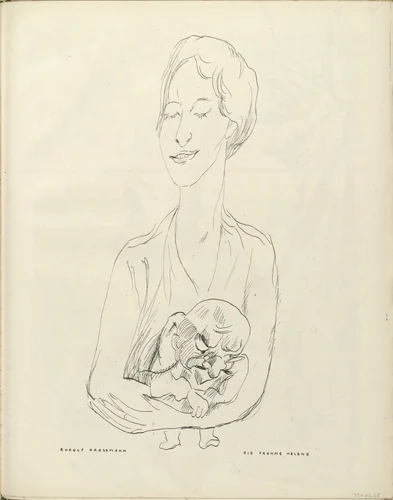
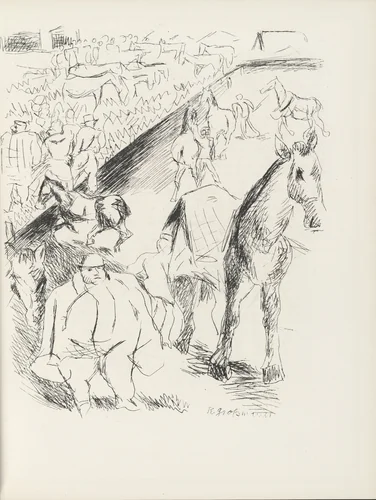
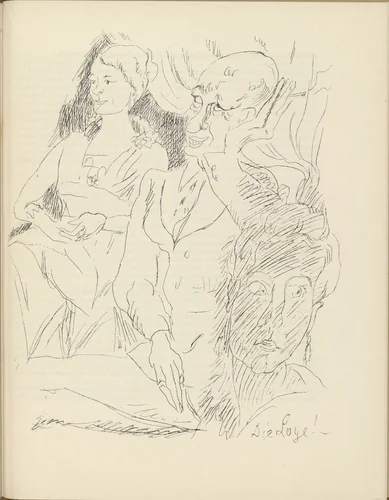
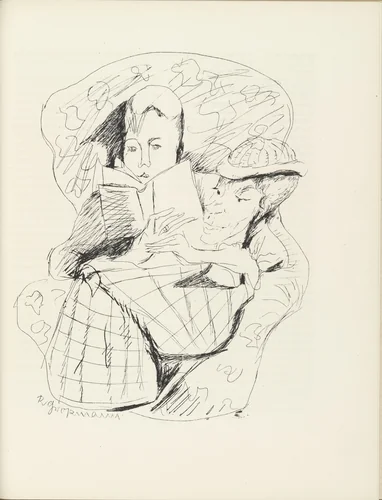
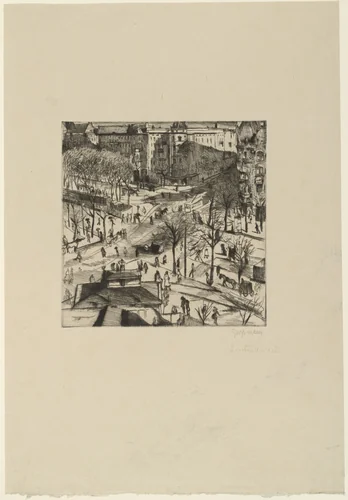
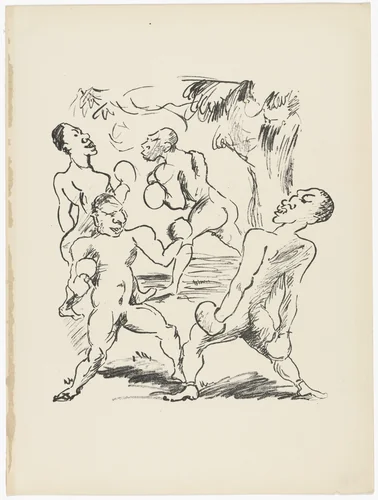
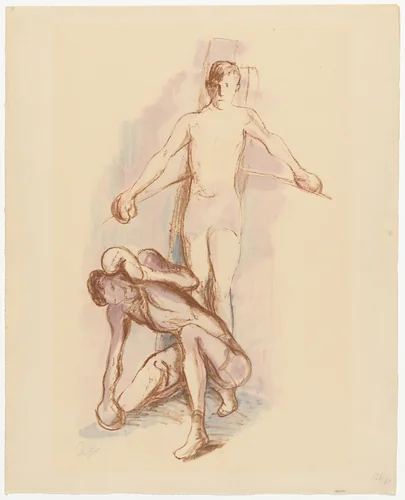
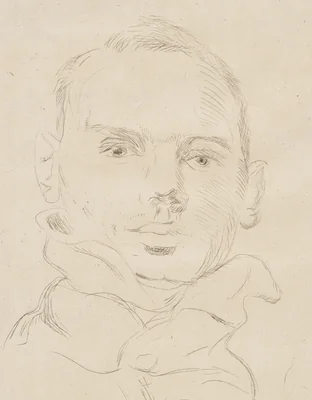
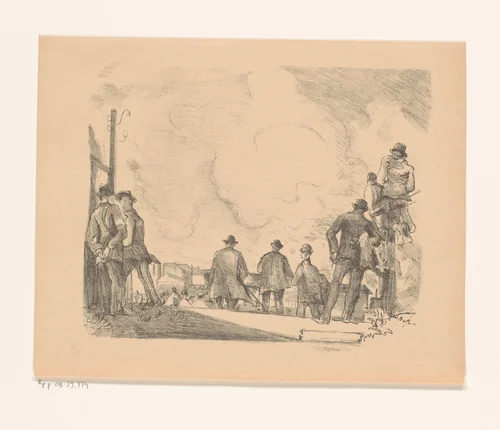
Grossmann’s artistic practice was rooted firmly in printmaking and periodical illustration, mediums suited to both rapid dissemination and precise draftsmanship. His portfolio demonstrates an acute fascination with the velocity of urban life, capturing moments of both grand spectacle and intimate observation. Works such as Paardenrenbaan in Berlijn and Velodrome (Radrennbahn), produced for the portfolio Around Berlin (Um Berlin), showcase the kinetic energy of mass sporting events, while detailed studies like Sleeping Girl (Schlafendes Mädchen) reveal a sensitive approach to figural representation. He maintained the objectivity of a documentarian even when addressing monumental public occasions, as seen in the imposing study Funeral of Cardinal Fischer, Cologne (Large Version) (Begräbnis des Kardinal Fischer, Köln [große Fassung]).
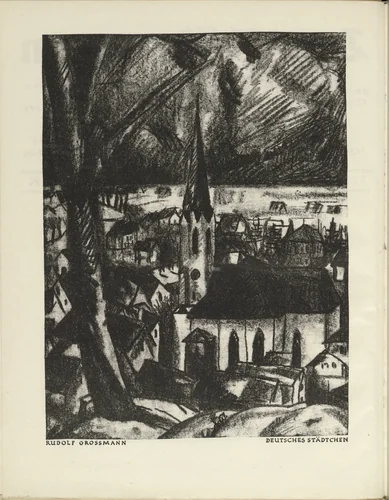
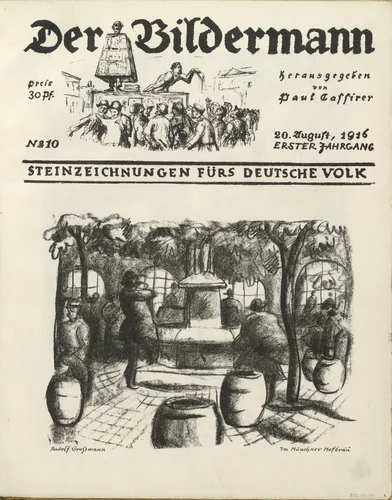
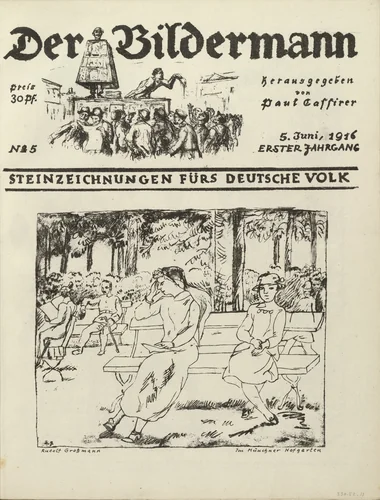
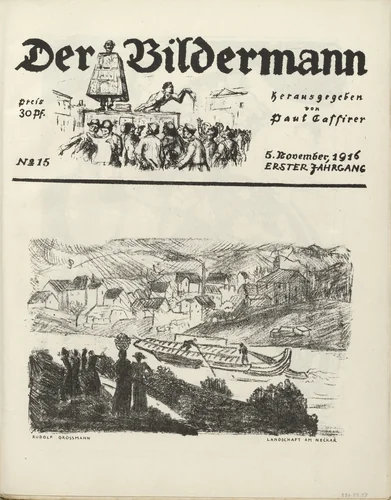
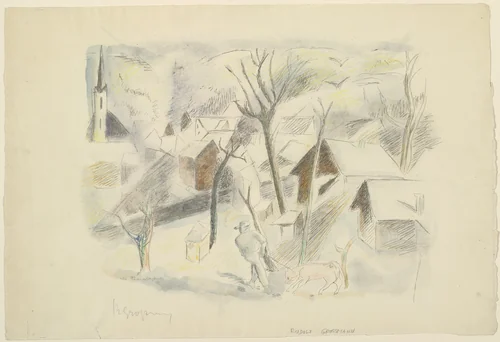
His career was intrinsically linked to contemporary publications. Grossmann contributed extensively to major periodicals, serving as a visual commentator on unfolding events. His print German Town (Deutsches Städtchen), published in Der Bildermann, vol. 1, no. 3 (May 1916), typifies the kind of accessible, yet expertly crafted, imagery he provided during a period of immense social upheaval. This output is particularly notable given Grossmann's committed political identity. Known in activist circles by his pseudonym Pierre Ramus, Grossmann was a staunch anarchist and pacifist; it is perhaps a testament to his technical fluency that his prints, often embedded with subtle social critique, maintained such a broad appeal within mainstream publishing structures throughout the war years.
While Rudolf Grossmann paintings are rare, his robust legacy rests securely upon his graphic oeuvre and the technical quality of his printing. Today, many of his most important works have entered the public domain, offering researchers and institutions valuable access. This allows for the production of museum-quality and high-quality prints, ensuring that these significant Rudolf Grossmann prints and downloadable artwork remain available for scholarly study and general appreciation.
Source: Wikipedia · CC BY-SA 4.0
![Funeral of Cardinal Fischer, Cologne (Large Version) (Begräbnis des Kardinal Fischer, Köln [große Fassung]) by Rudolf Grossmann, print, 1912](https://img.artbee.org/8c9f118b-e5ad-4399-90de-8232422ef2c0/small.webp)