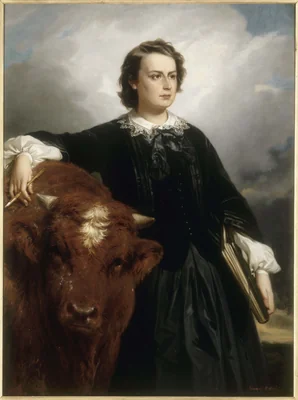
Rosa Bonheur
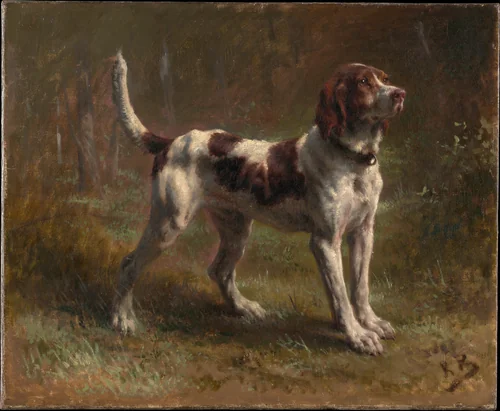
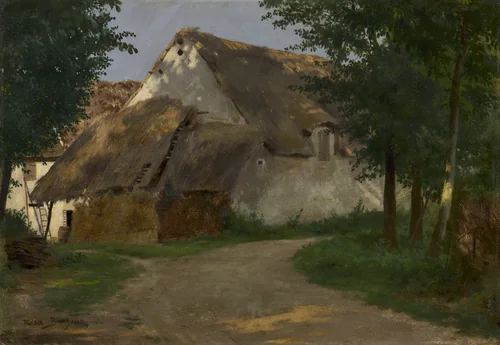
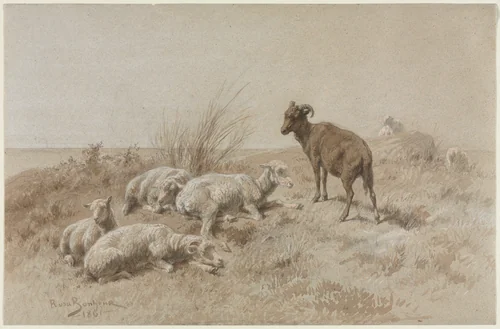
Rosa Bonheur (1822-1899) occupies a prominent position in nineteenth-century European art, known during her lifetime as the most celebrated female painter of the era. She specialized as an animalière, creating not only paintings but also detailed sculptures in a resolute realist style. Bonheur’s approach was defined by a combination of academic precision and deep observational intensity, elevating the genre of animal portraiture to an unprecedented scale.
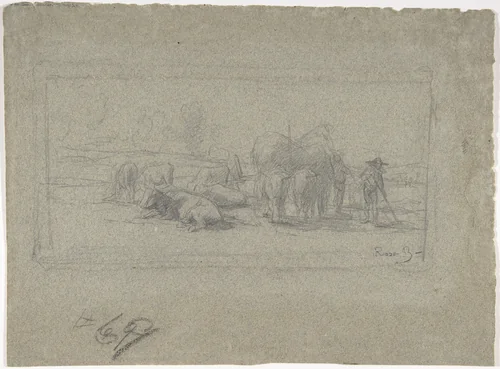
Her career was characterized by consistent success at the Paris Salon, beginning with the recognition of major works like Ploughing in the Nivernais (1848). This painting, now housed in the Musée d'Orsay, captured the dignity of agricultural labor and demonstrated her early mastery of anatomical drawing integrated within a monumental landscape setting.
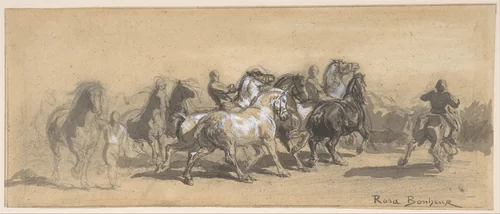
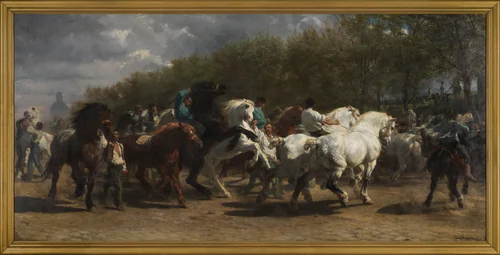
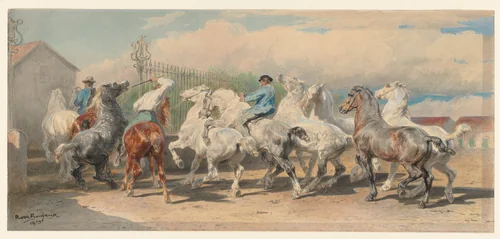
Bonheur’s international fame was solidified by the exhibition of The Horse Fair at the 1853 Salon. The canvas, an immense composition measuring over sixteen feet wide, depicts the spirited energy of the horse market on the Boulevard de l'Hôpital in Paris. It remains her most iconic work and is currently held in the collection of the Metropolitan Museum of Art in New York. The painting’s critical success was founded on the dynamic movement and the rigorous accuracy of the animal forms depicted.
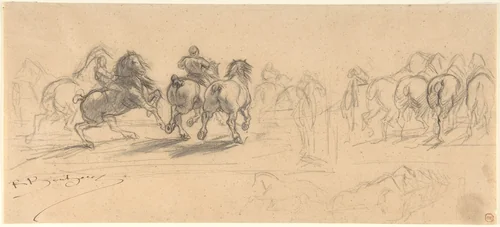
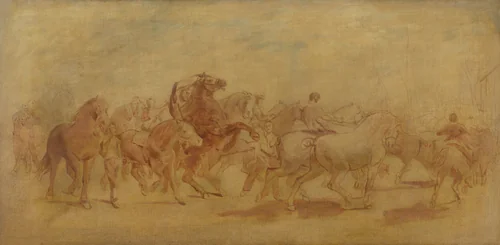
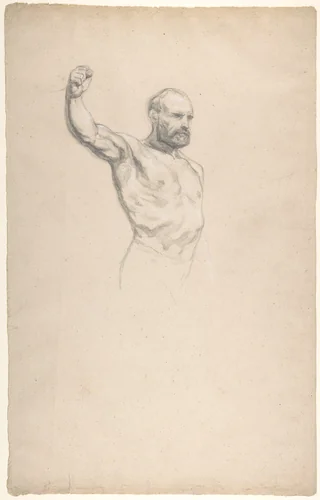
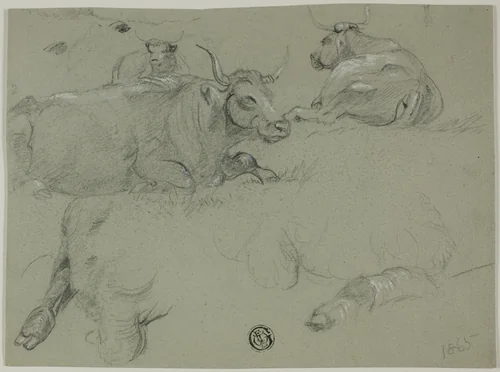
To achieve this level of realism, Bonheur developed specialized working methods. She studied animals intensely, frequenting horse markets, stockyards, and even anatomical theaters. This fieldwork necessitated unrestricted movement and access traditionally challenging for women in the 19th century. Consequently, Bonheur famously obtained special governmental permits from the Parisian police to wear practical men’s attire, a pragmatic decision that allowed her the mobility essential for sustained outdoor study, producing preparatory pieces such as the Study for "The Horse Fair".
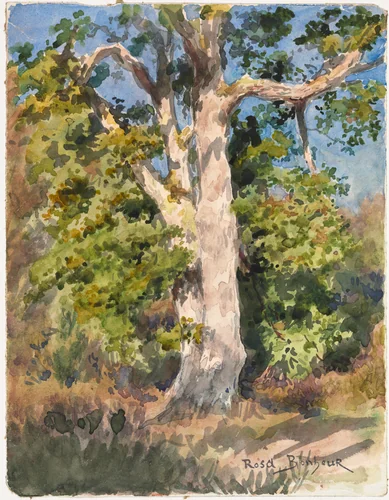
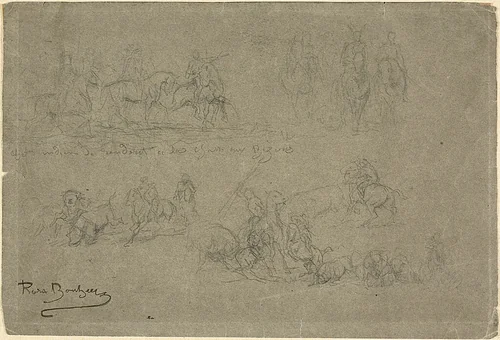
Her enduring legacy rests on her ability to transcend gender expectations in a highly competitive art world and to command international respect for her technical skill. Today, institutions make available numerous preparatory sketches, studies, and finished Rosa Bonheur paintings. Many of these works, including detailed drawings like Tree Study and Sheet of Studies for "The Horse Fair", are now in the public domain, providing researchers and enthusiasts access to high-quality prints and downloadable artwork for continued appreciation and study.
Source: Wikipedia · CC BY-SA 4.0