Roman
The artistic output of Ancient Rome, a civilization spanning from the 8th century BC to the 5th century AD, represents one of history’s most powerful and pragmatic creative forces. While renowned for engineering and monumental architecture, the sustained excellence demonstrated across Roman material culture, from everyday tools to imperial jewelry, solidifies its position as a cornerstone of Western aesthetics. This expansive body of work, much of which is now preserved in institutions such as the National Gallery of Art and the Art Institute of Chicago, emphasizes efficiency, detailed craftsmanship, and a sophisticated approach to narrative art.
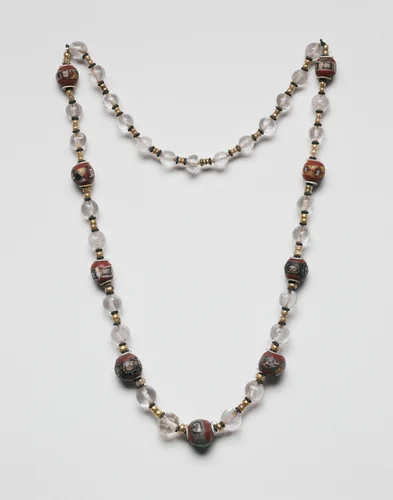
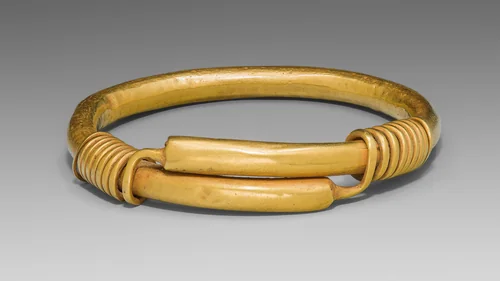
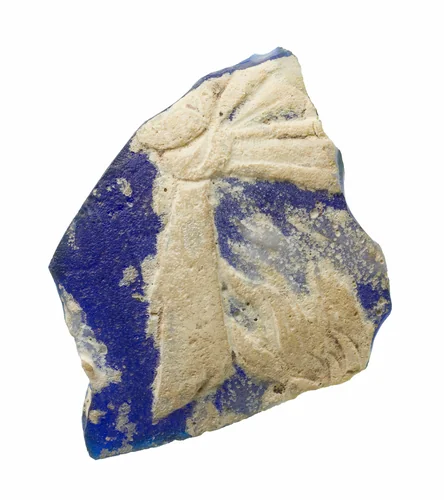
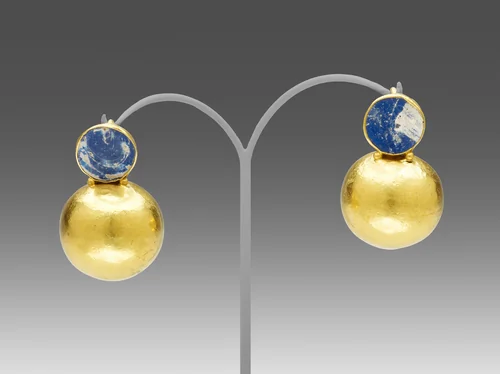
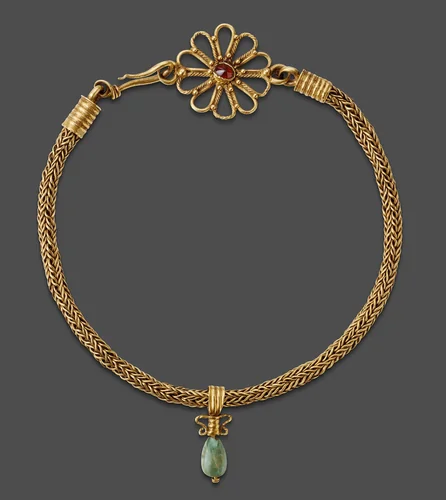
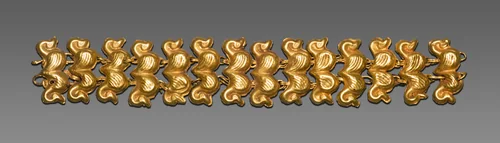
Roman artisans were masters of metalworking and glyptic arts. Surviving evidence, including a reported ten extant metalworks, illustrates a proficiency in shaping precious and practical metals alike. Items such as the delicate Necklace, the robust Bracelet, and carefully wrought pieces like the Fragment of a Vessel were not merely decorative; they were markers of status and essential elements of daily ritual. This practical beauty is a defining trait of the era. If Greek art sought the perfect ideal, Roman art frequently sought the perfectly functional ideal—a blend achieved through systematic production and relentless refinement.
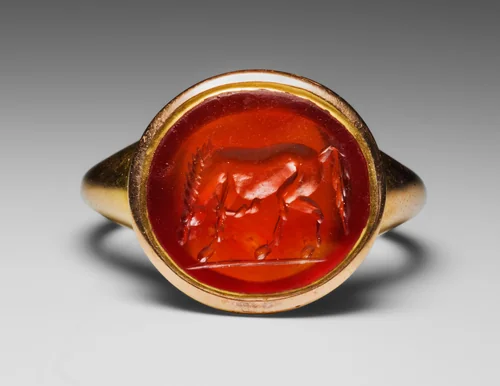
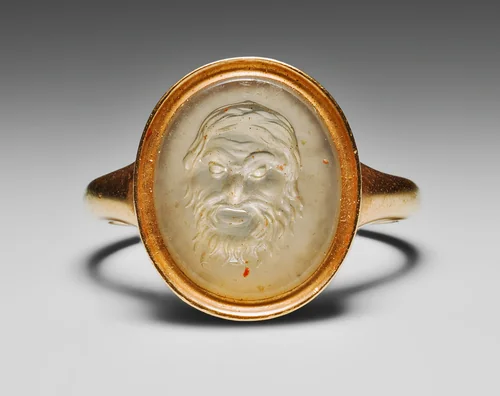
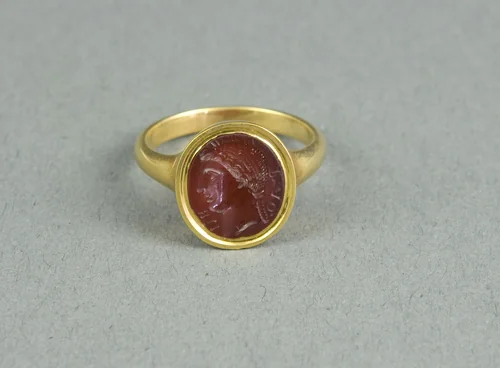
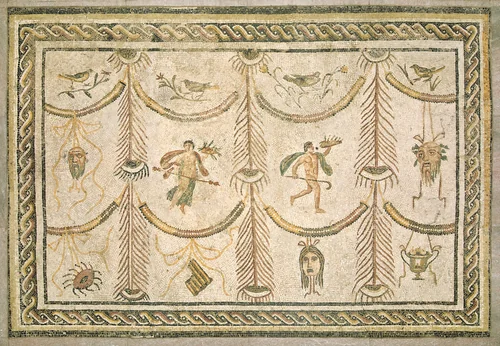
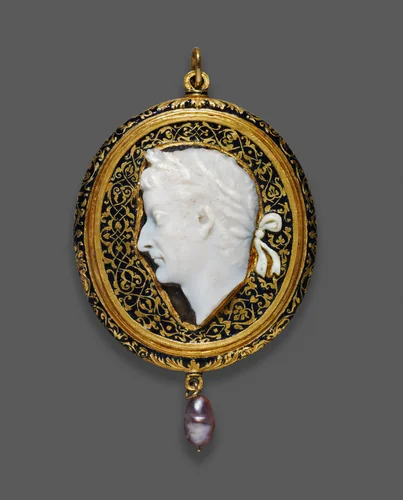
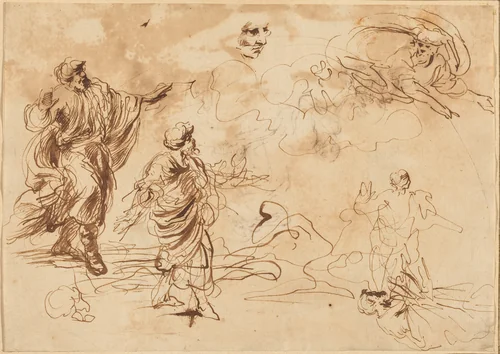
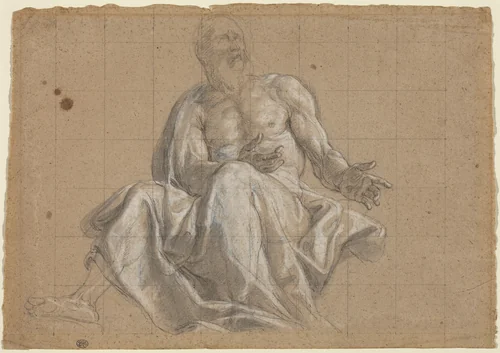
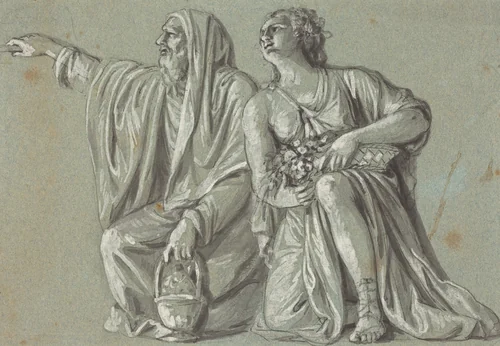
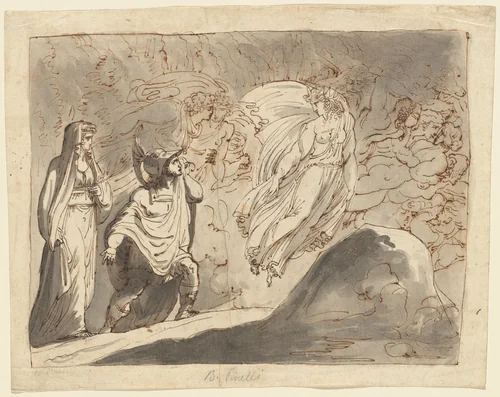
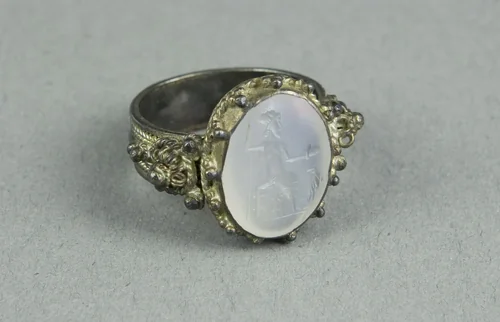
Perhaps the most focused displays of Roman technical skill are found in miniature, portable media. The three surviving drawings hint at preparatory studies for larger murals or mosaics, but it is in the field of intaglio carving that the precision of the age truly shines. Intaglios, small carvings often used as seals or set into rings, required both minute accuracy and deep material understanding. Examples such as the Intaglio Depicting a Horse and the theatrical Intaglio Depicting a Theater Mask showcase a vivid realism that captured the secular, social, and mythological concerns of the Roman people.
Today, the extensive legacy of Roman artifacts ensures their continued influence. While original works remain priceless, the vast corpus of surviving sculpture, architectural detail, and pictorial imagery means that many examples, particularly late-period murals and frescos, are now available within the public domain. This accessibility allows contemporary scholars and enthusiasts to study this enduring style through high-quality prints and royalty-free images, ensuring that the legacy of Roman innovation continues to inform the understanding of classical artistry.
Source: Wikipedia · CC BY-SA 4.0