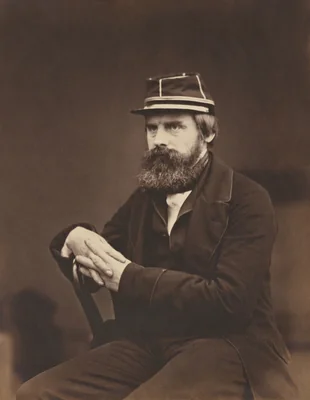
Roger Fenton
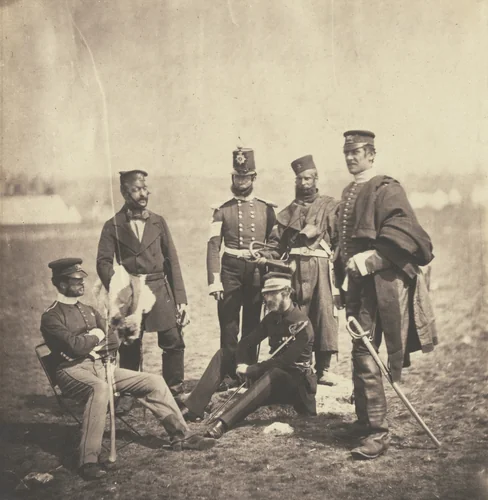
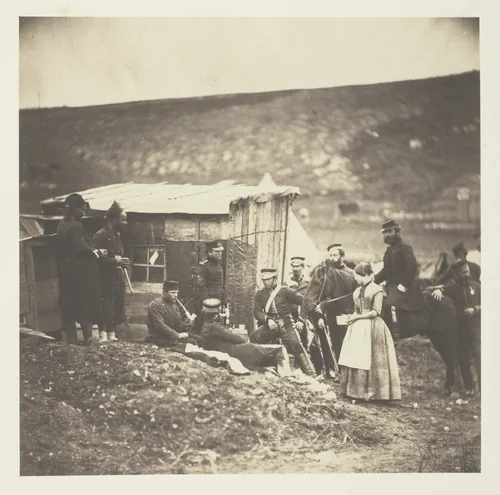
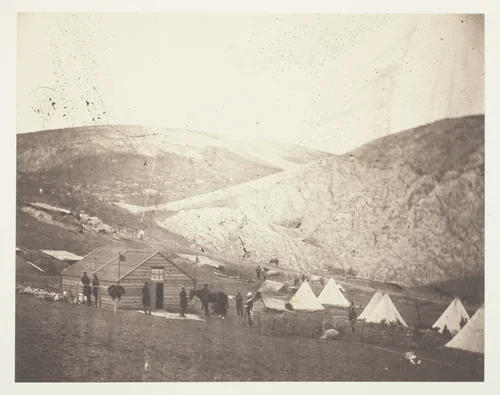
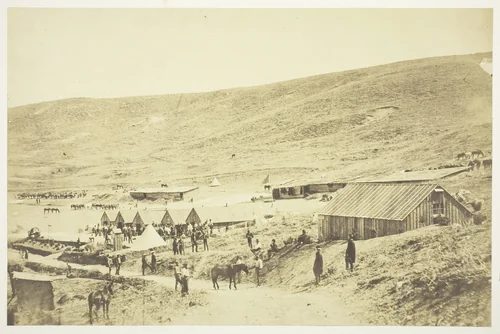
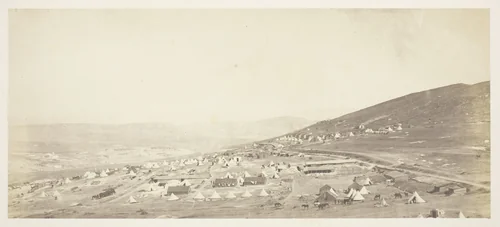
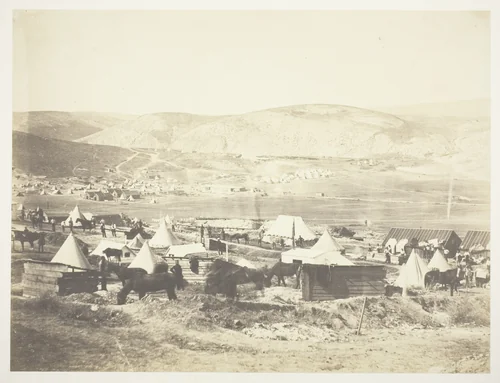
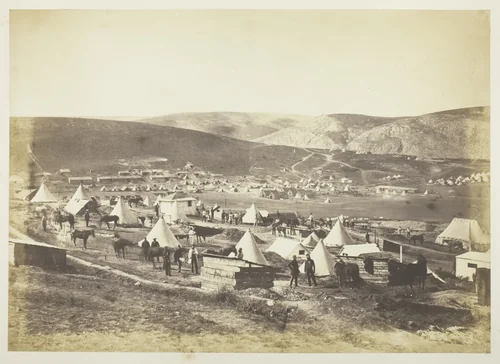
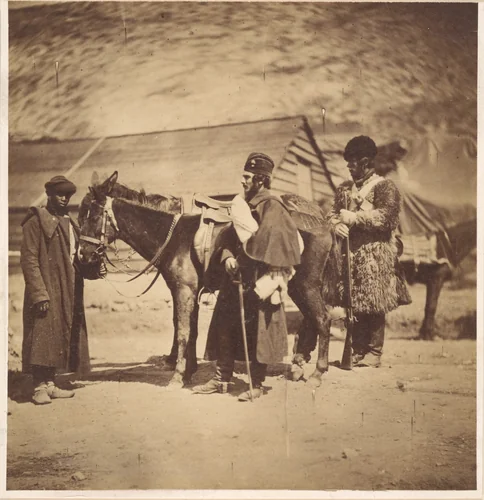
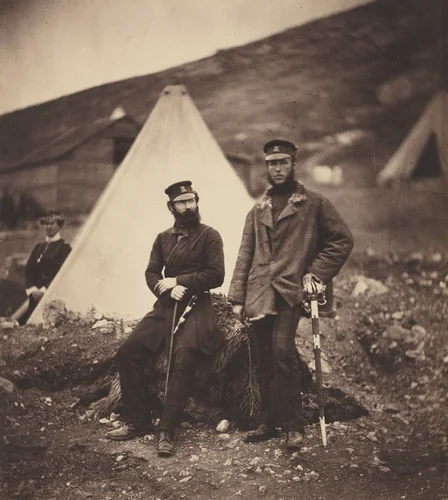
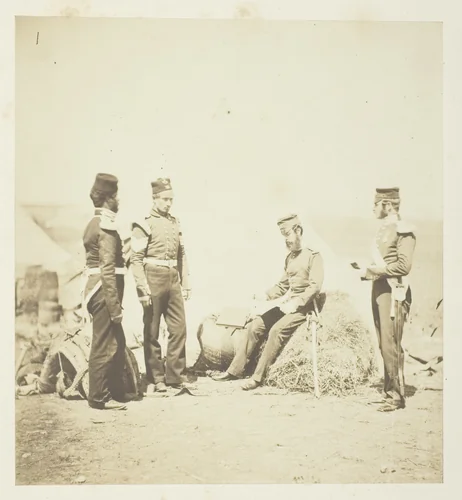
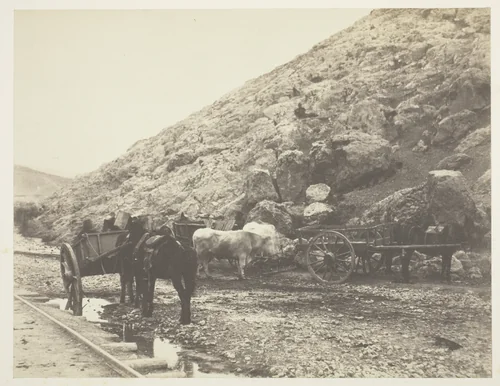
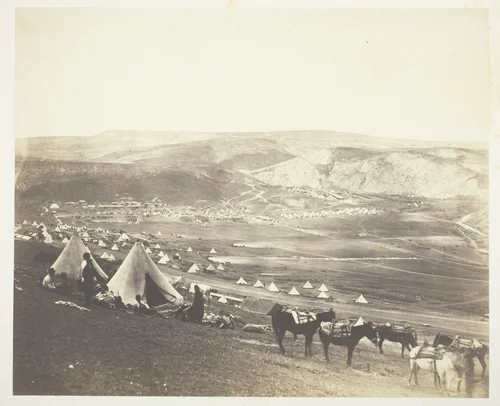
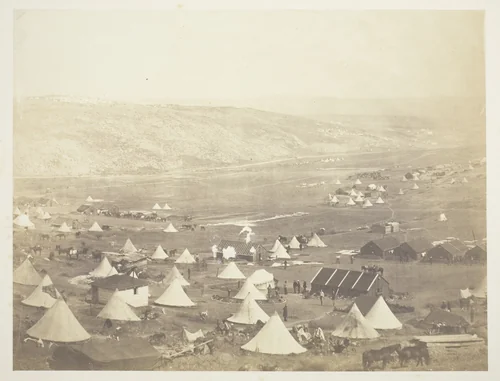
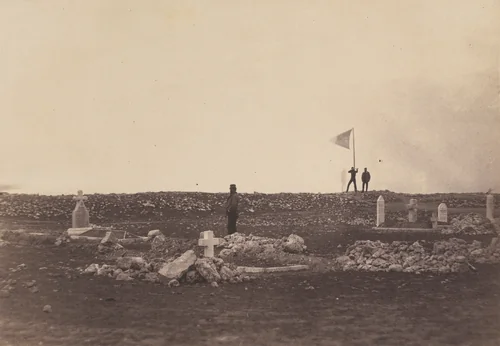
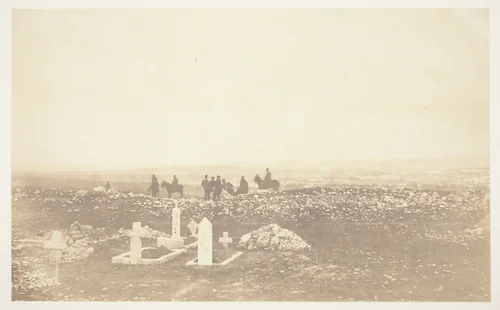
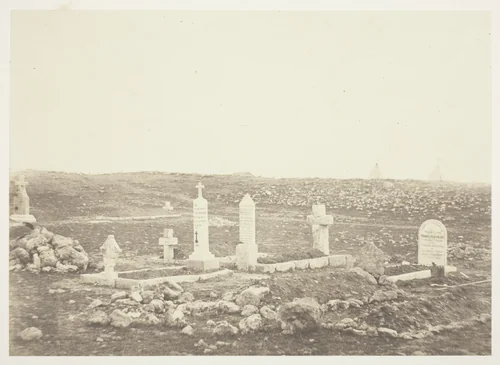
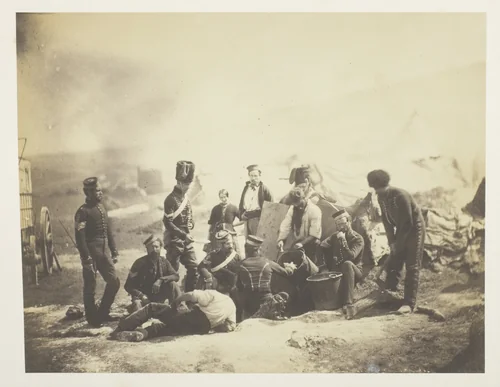
Roger Fenton established a singular, pioneering position in the history of visual documentation. Recognized primarily as a British photographer and one of the world’s first professionals to document military conflict, his work fundamentally shaped how subsequent generations viewed and consumed distant warfare. His involvement in the Crimean War, beginning in 1855, provided the first significant body of photojournalism from a hostile environment, setting a lasting precedent for battlefield reportage.
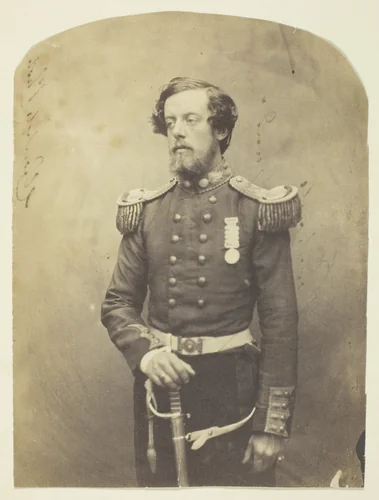
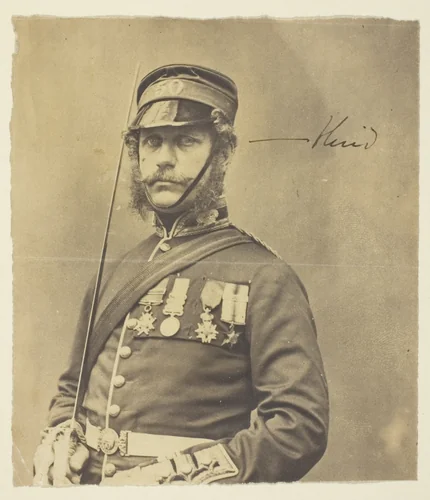
Though celebrated for the stark portraiture of officers such as Omar Pacha, Fenton’s active photographic period demonstrated remarkable versatility across genres. He moved fluidly between documenting military encampments, architectural studies, and natural history, all while utilizing the demanding wet plate collodion process. His dramatic landscape compositions, such as the compelling tension captured in Rocken End in a Storm, Isle of Wight, contrast sharply with his meticulous interior documentation of cultural institutions, seen in The Lycian Saloon, British Museum and scientific records like The Megatherium, British Museum.
Fenton’s exacting technique resulted in museum-quality images that chronicled the rapidly changing Victorian world. Many of his key works, including his seminal Crimean portfolio, are held in major institutions worldwide, including the Cleveland Museum of Art and the Art Institute of Chicago. The detailed nature of these early photographs means that many are now accessible through public domain archives, allowing historians and enthusiasts to access high-quality prints that reveal the technical mastery he achieved given the technological limitations of the mid-nineteenth century.
Despite his prominence, Fenton eventually left the photographic profession entirely, selling off his equipment and closing his studio in 1862. This voluntary and unexpected departure is perhaps the most curious footnote in his exceptional career-a pioneering artist who chose to step back just as his innovative medium was gaining undeniable cultural and commercial momentum. His influential images remain essential documents, now often available as royalty-free downloadable artwork for study and appreciation.
Source: Wikipedia · CC BY-SA 4.0