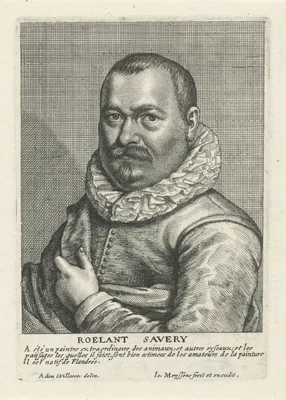
Roelant Savery
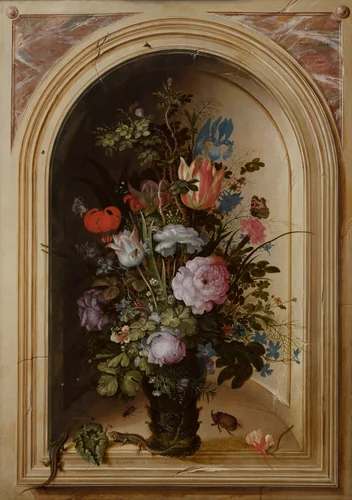
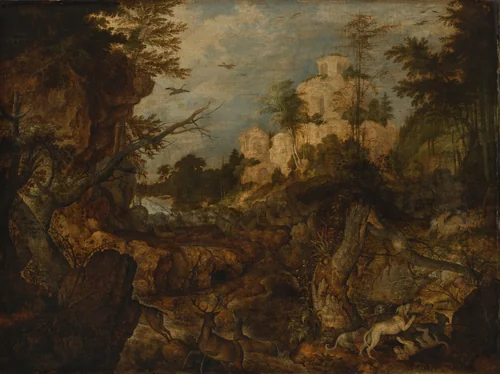
Roelant Savery (c. 1576-1610), a Flanders-born artist active in the Netherlands, stands as a critical figure in the emergence of specialized genres during the Dutch Golden Age. While known simply as a Dutch Golden Age painter, Savery was instrumental in the evolution of landscape and animal painting, bridging the detailed naturalism of the Northern Renaissance with the atmospheric sensibilities of the seventeenth century.
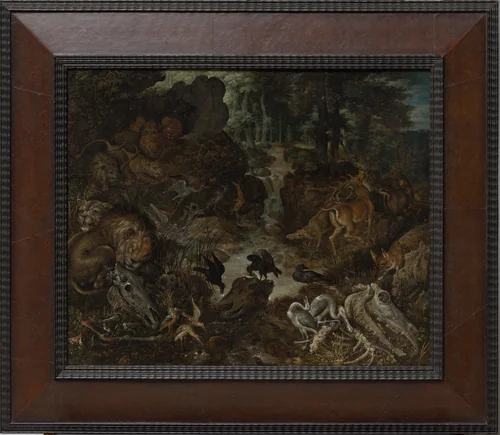
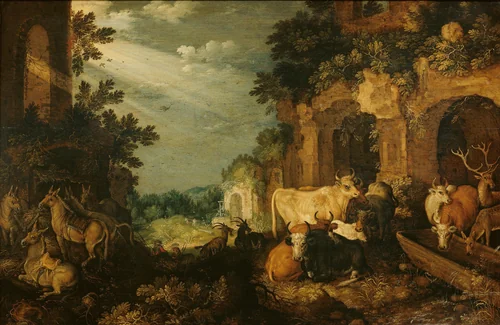
Savery’s career trajectory was profoundly shaped by his tenure in Prague, serving the court of Holy Roman Emperor Rudolf II. This patronage provided him with access to one of Europe’s most elaborate collections of natural curiosities and a sprawling royal menagerie. This unique environment is reflected in his highly distinctive compositions, where exotic fauna, unlike the generalized creatures often found in contemporary art, are rendered with a surprising accuracy that suggests meticulous, first-hand study. His focus on these intricate wildlife scenes makes his Roelant Savery paintings exceptionally important for understanding early scientific observation in art.
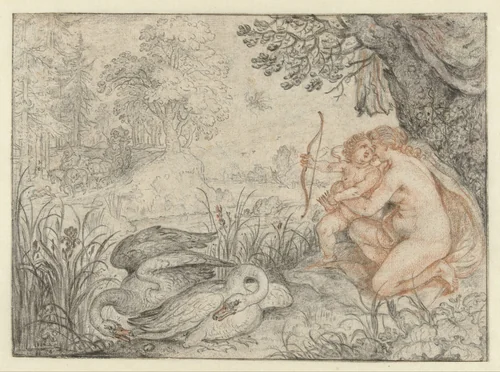
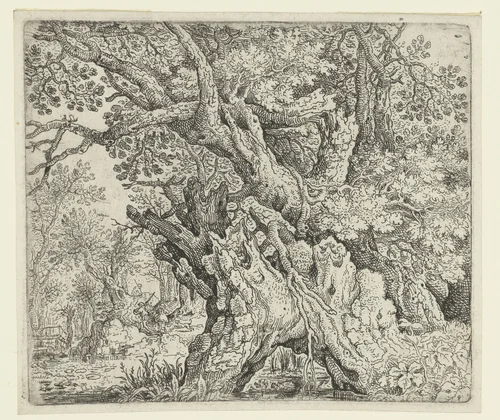
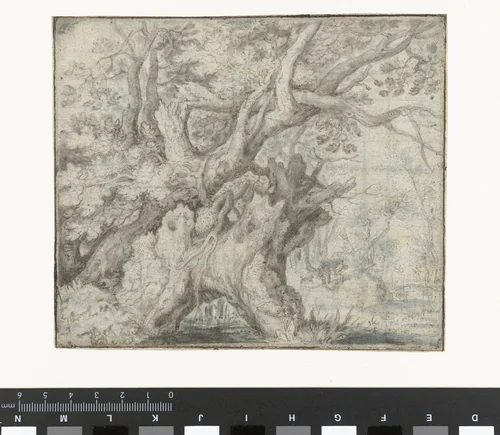
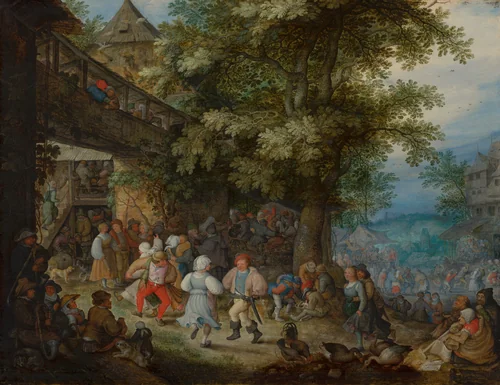
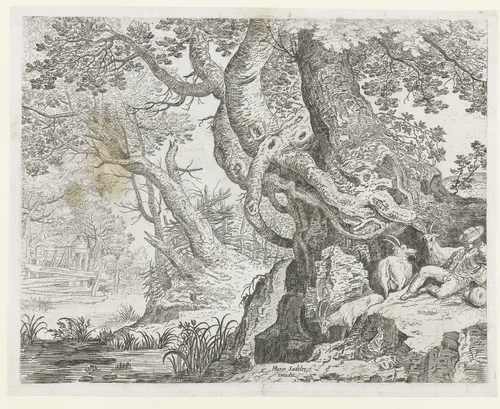
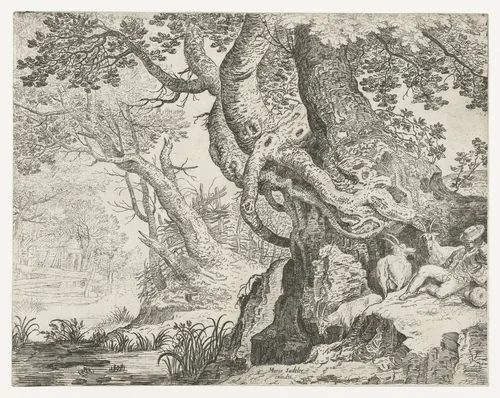
His expertise spanned multiple media, evidenced by the extant works in major international collections like the Mauritshuis, the Rijksmuseum, and the Cleveland Museum of Art. While the database reflects works spanning twelve detailed drawings, one painting, and one print, his versatility allowed him to move seamlessly between mythological narratives, such as Venus Urging Cupid to Shoot his Arrow at Pluto, and purely observational studies.
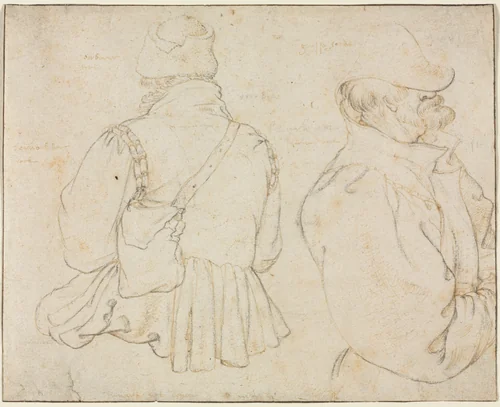
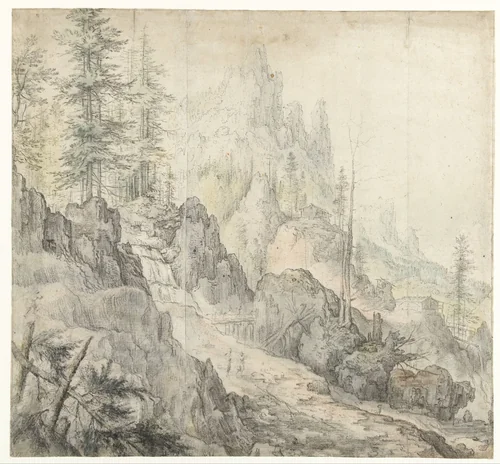
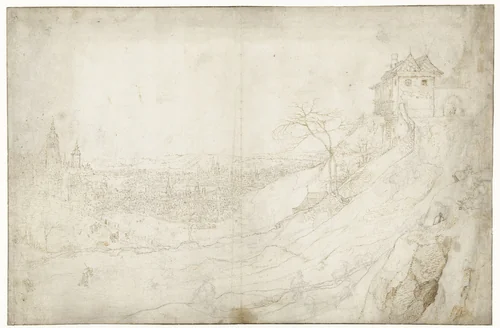
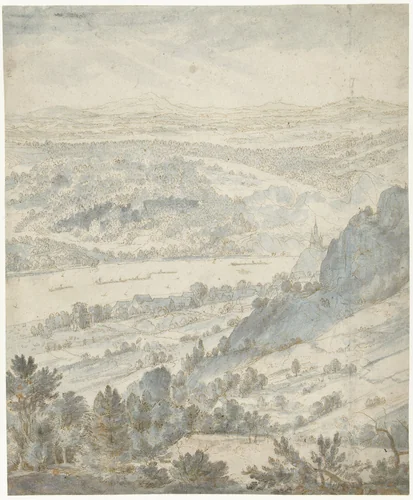
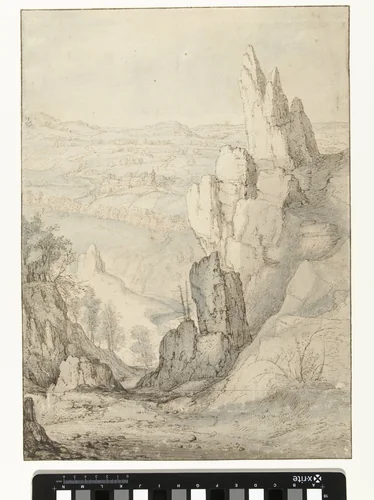
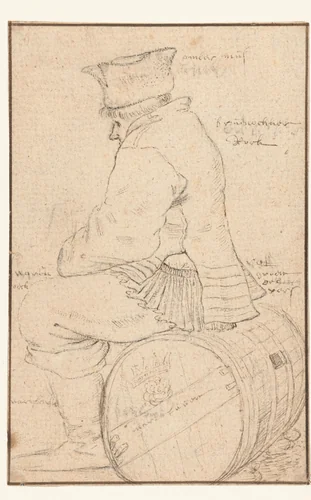
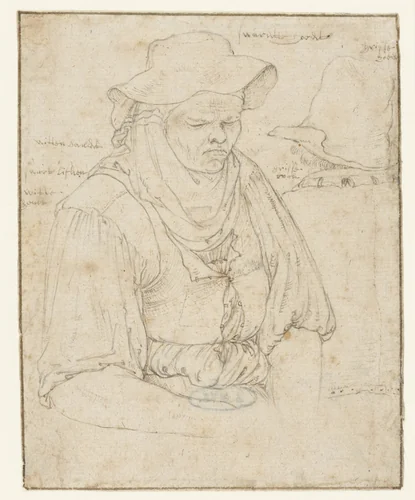
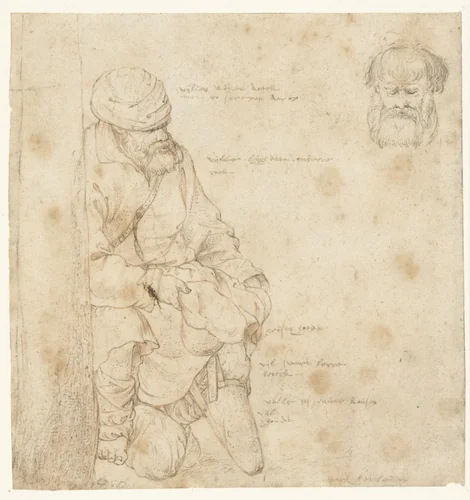
Savery’s skill as a draughtsman is highlighted by works like Two Bohemian Peasants in Half-Length, demonstrating a keen observational eye for human subjects, while works like Gezicht op Praag reveal his talent for topographical views. Furthermore, his dynamic renderings of mountainous environments, visible in Berglandschap met waterval, contributed significantly to the development of the Northern European tradition of dramatic, elevated landscapes.
Today, the historical importance and technical finesse of Roelant Savery’s graphic work ensure they remain key reference points for scholars. Many of these important works are now available within the public domain, allowing for free art prints and the study of downloadable artwork derived from these original, museum-quality examples.
Source: Wikipedia · CC BY-SA 4.0