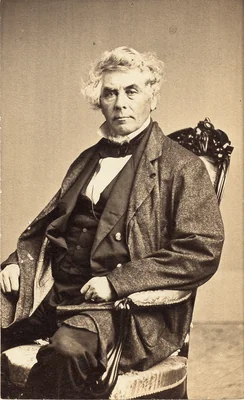
Robert Walter Weir
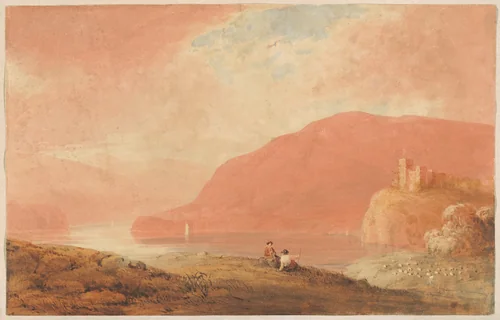
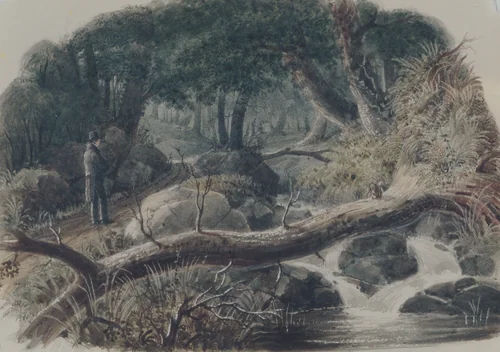
Robert Walter Weir (1800-1889) was a central figure in 19th-century American art, establishing a formidable reputation as both a historical painter and an influential academic instructor. Although his monumental works often overshadow his other pursuits, Weir’s stylistic and thematic interests frequently align him with the practitioners of the Hudson River School, particularly in his commitment to the development of a distinct national pictorial narrative.
Weir’s institutional career gained immediate momentum with his election to the National Academy of Design in 1829. He accepted one of the most remarkable appointments of the period, serving for over forty years as the drawing instructor at the United States Military Academy at West Point. This lengthy tenure placed him in a unique dual role, simultaneously shaping the visual literacy of the nation’s future military leadership while maintaining a high-profile practice as a painter. This pedagogical commitment ensured his far-reaching impact on American art extended well beyond his personal canvases.
His legacy is indelibly linked to the nation’s capital through his contribution to the United States Capitol rotunda. The large-scale historical work Embarkation of the Pilgrims (1843) cemented his status among the select artists chosen to visualize foundational moments of American history.
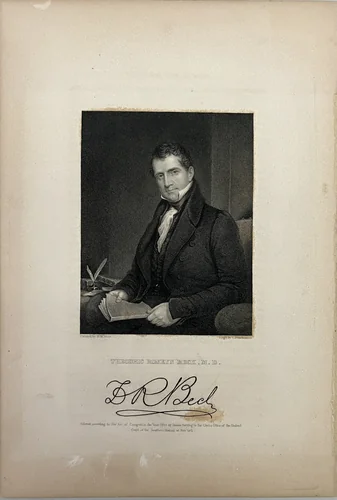
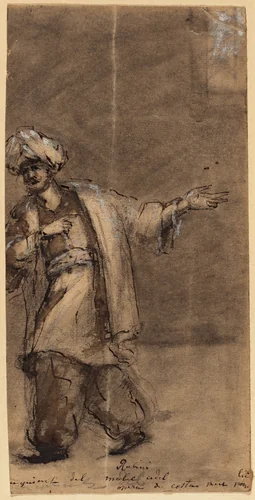
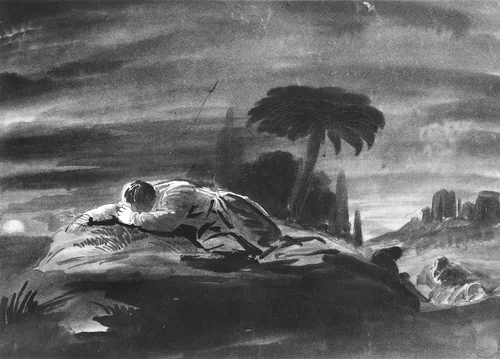
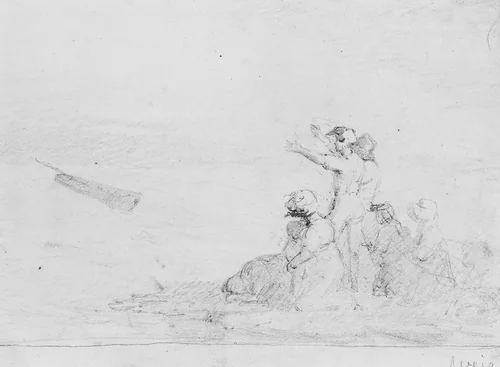
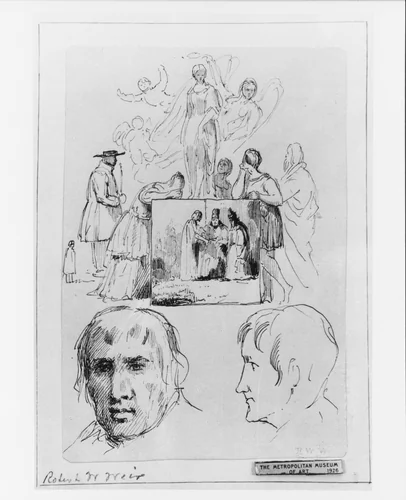
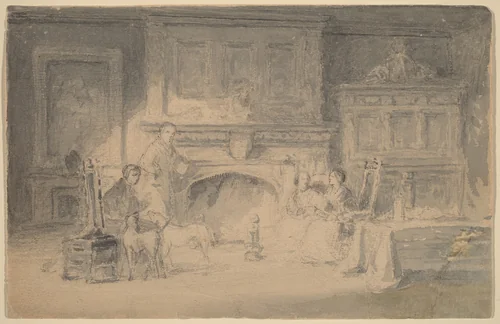
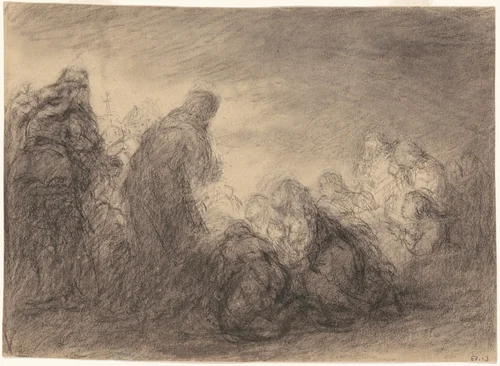
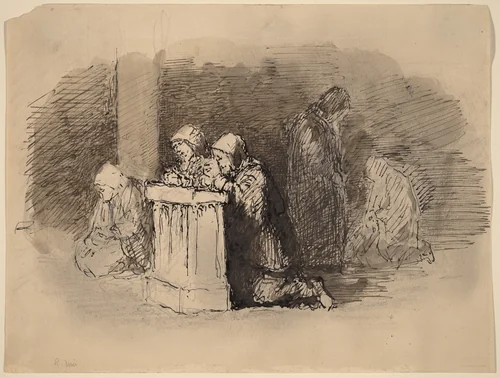
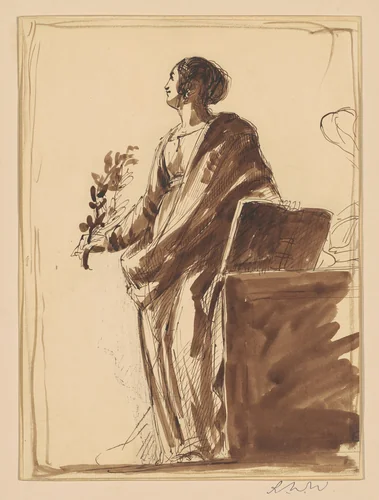
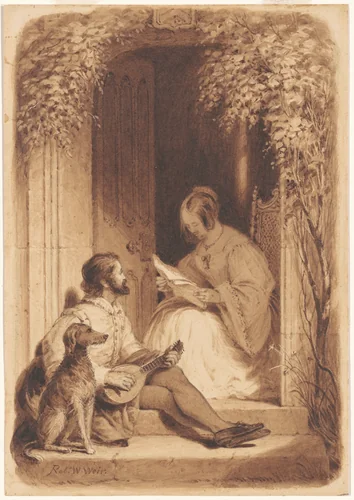
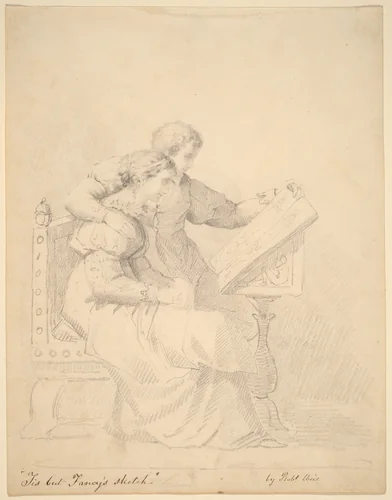
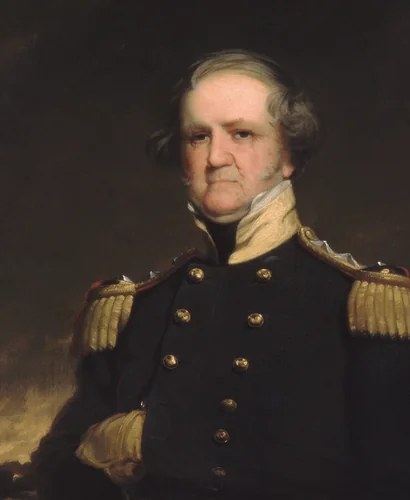
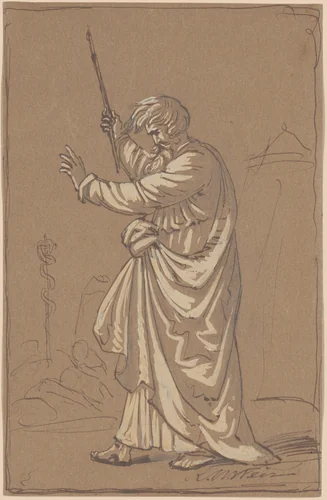
Weir was a prolific artist whose output was remarkably broad. Beyond grand history paintings, his oeuvre included sensitive portraits, such as Theodric Romeyn Beck, M.D., dramatic scenes like Shipwreck, and focused religious studies like Christ in the Garden of Gethsemane. It is estimated that more than 450 of his works are known, although he habitually left many pieces unsigned; the sheer scope of Robert Walter Weir paintings he produced may never be fully tabulated.
Today, major institutions including the Metropolitan Museum of Art, the National Gallery of Art, and the Art Institute of Chicago hold his works, attesting to his continued museum-quality significance. For both researchers and collectors, the historical depth of his output means a substantial portion of his artwork has entered the public domain, offering access to downloadable artwork and high-quality prints for study and appreciation.
Source: Wikipedia · CC BY-SA 4.0