Robert Strange
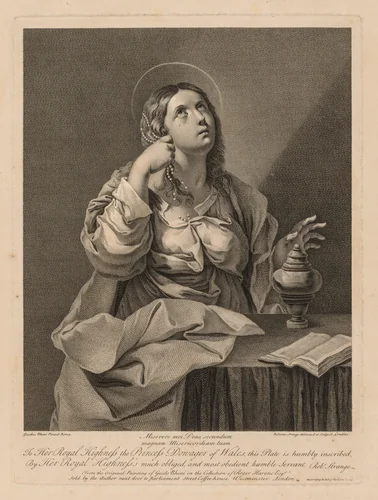
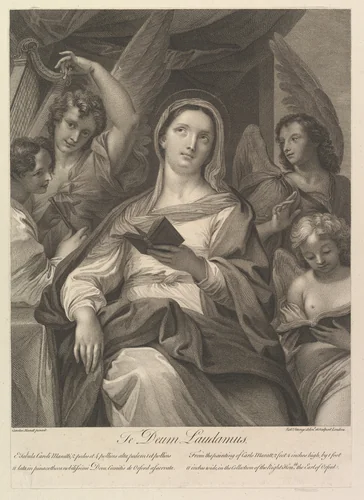
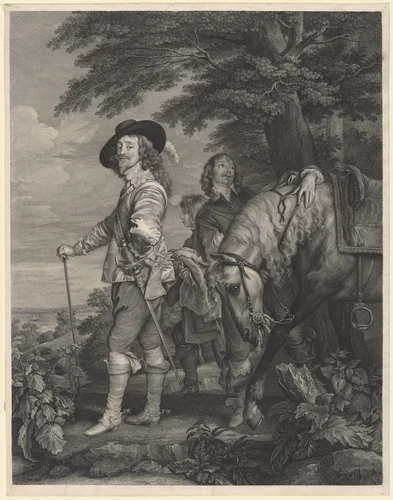
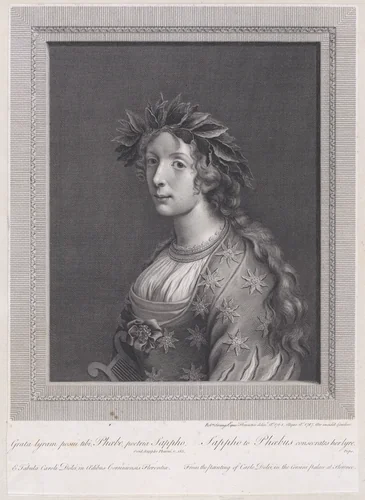
Robert Strange (1721–1792) stands as one of the most significant English reproductive engravers of the mid-eighteenth century. Active across a remarkable span from 1735 to 1787, Strange elevated the stature of printmaking by translating major Old Master paintings into highly detailed line engravings, thereby democratizing access to European art and profoundly shaping British visual culture. His technical skill was highly regarded, placing him at the forefront of the art of pictorial reproduction during a period defined by the Enlightenment’s hunger for visual and historical information.
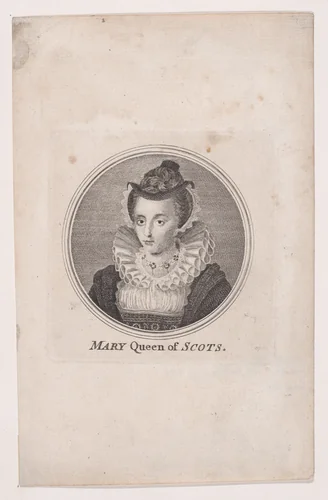
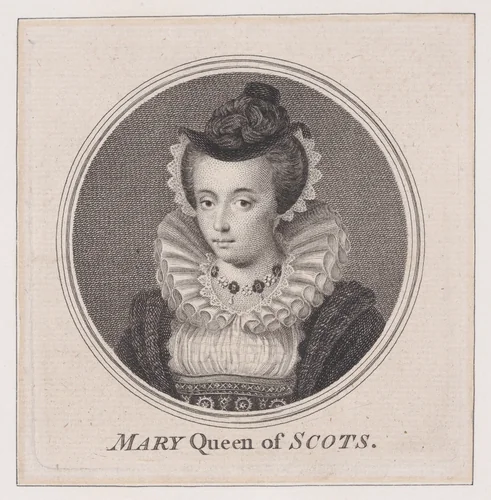
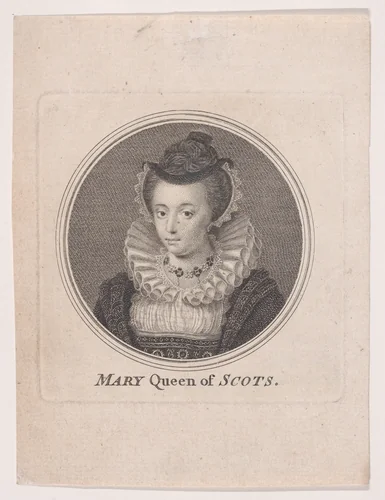
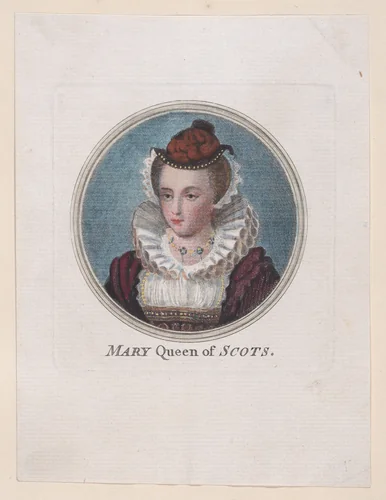
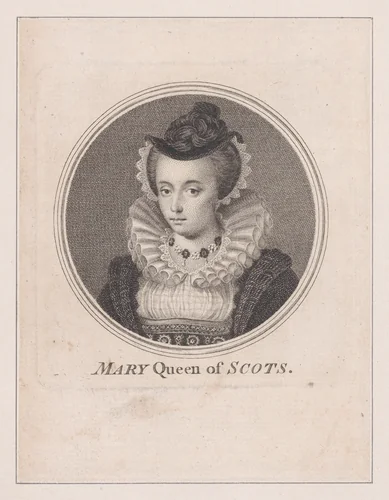
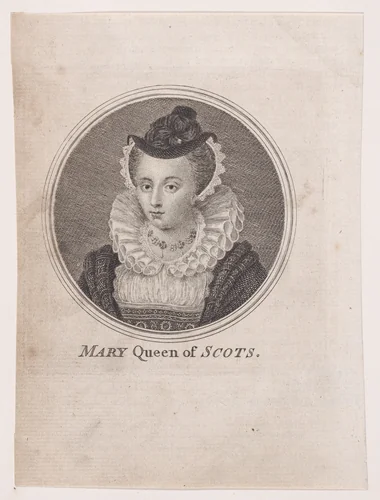
Strange excelled in the demanding medium of line engraving, eschewing the often looser methods preferred by contemporaries for a precision that captured the texture and tonality of oil paintings. His success allowed him to spend significant time abroad studying and copying masterpieces in France and Italy. His dedication was not merely technical; it was commercial. He understood the public’s appetite for historical narratives and portraits of iconic figures. This is perhaps best demonstrated by his recurrent success with the subject of Mary, Queen of Scots. It is a subtle but interesting fact that, among the relatively small corpus of prints attributed to him, the database prominently features his rendering of Mary, Queen of Scots multiple times, underscoring its central artistic and commercial importance throughout his long career.
The influence of Strange’s work extended far beyond the gallery. Before the advent of photography, his prolific output provided the educated public with their primary visual knowledge of European masterpieces. His reproductive prints were essential components of eighteenth-century art education and collecting, earning him placement in prestigious institutions today, including the Metropolitan Museum of Art, the National Gallery of Art, and the Cleveland Museum of Art.
Strange’s legacy endures through these detailed plates. His commitment to creating high-quality prints ensures that the visual detail of his work remains sharp centuries later. Many of his original works now reside securely in the public domain, providing a wealth of source material. Scholars and enthusiasts can appreciate his meticulous draughtsmanship, with many institutions offering downloadable artwork derived from these original, museum-quality examples.
Source: Wikipedia · CC BY-SA 4.0