Robert Sayer
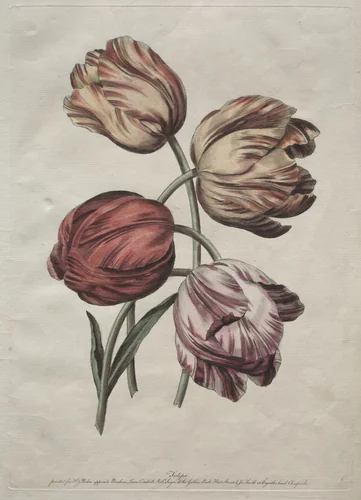
Robert Sayer was arguably the most significant disseminator of visual and geographic information in mid-Georgian Britain. Active during a period of intense global expansion between 1750 and 1765, Sayer operated from 53 Fleet Street, identified by the distinctive sign of the Golden Buck. His establishment functioned less as a traditional gallery and more as a powerful commercial engine dedicated to the rapid production and sale of visual culture. As a leading publisher and seller, his market reach spanned essential materials like geographical maps and highly reliable maritime charts, alongside a thriving trade in decorative and satirical prints.
This dual focus positioned Sayer at the epicenter of both Britain’s expanding consumer market and its global naval and mercantile ambitions. The demand for clear, reproducible cartographic intelligence was immense, and Sayer met this need by offering widely accessible, high-quality prints. His ability to efficiently standardize and distribute sophisticated navigational and topographical knowledge helped democratize information, significantly shaping the general public’s understanding of the rapidly changing world. The success of Sayer’s business suggests a shrewd understanding of the era’s desire for immediate, practical visual documentation, often in contrast to the high art priorities of contemporary London. It is perhaps the highest irony that this purely commercial material, intended merely for practical utility, now serves as invaluable museum-quality documentation of the period.
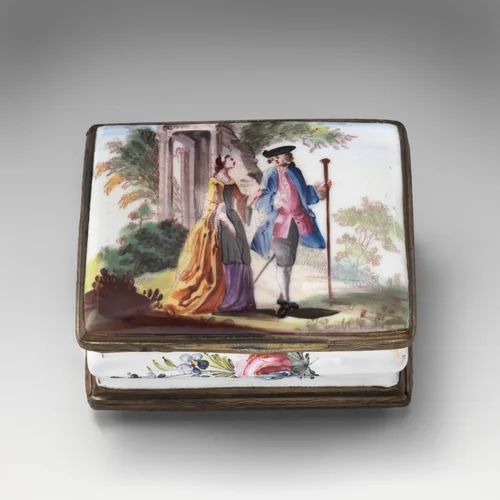
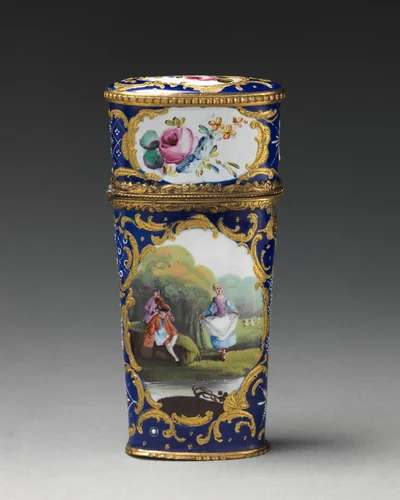
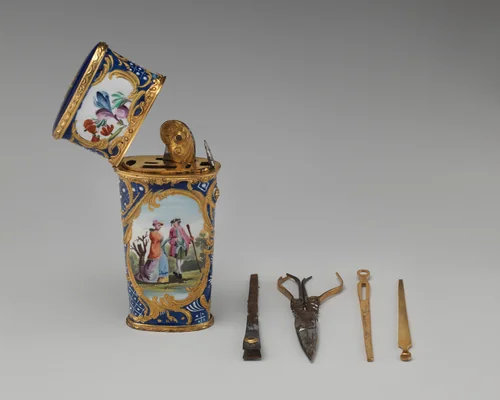
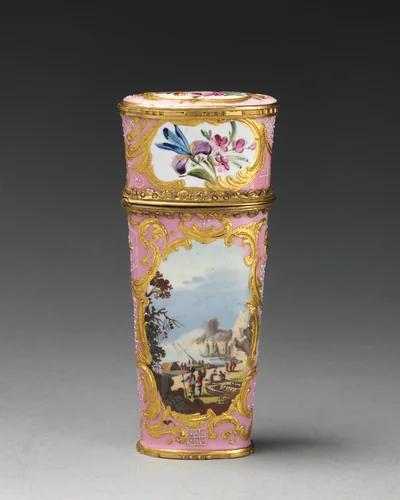
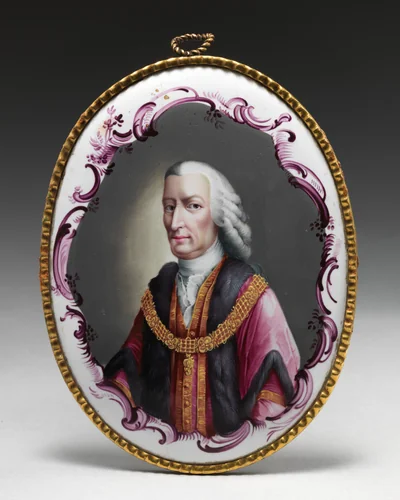
While known primarily for mass reproduction, the scope of Sayer’s influence is reflected in the survival of objects and records connected to his enterprise. Catalog references link him to the supply of highly detailed domestic accessories, including the étui and the double snuffbox, miniature luxury items illustrating the broad reach of his commercial network and clientele. Furthermore, his engagement with social documentation is evidenced by the circulation of images such as the portrait of William Beckford (1709–1770). Sayer’s commercial vigor ensures his enduring legacy; the body of Robert Sayer prints attributed to his press, critical for understanding eighteenth-century popular arts, is conserved in major international institutions, including the Metropolitan Museum of Art and the Cleveland Museum of Art.
Source: Wikipedia · CC BY-SA 4.0