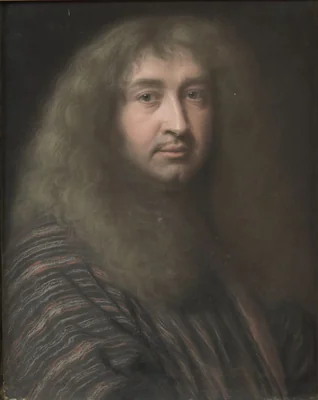
Robert Nanteuil
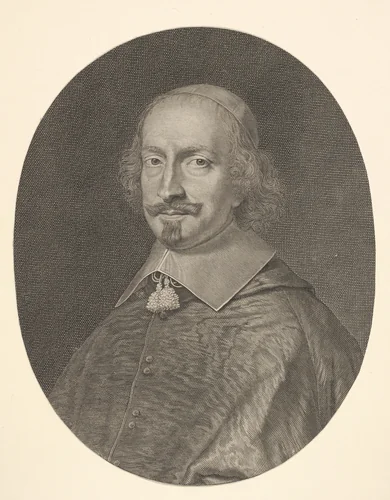
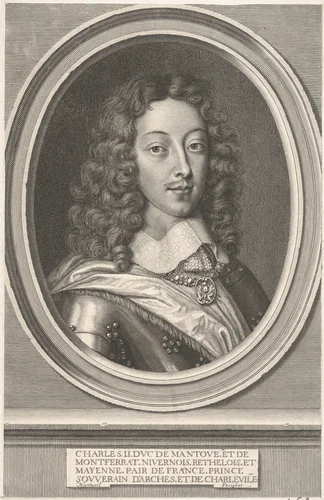
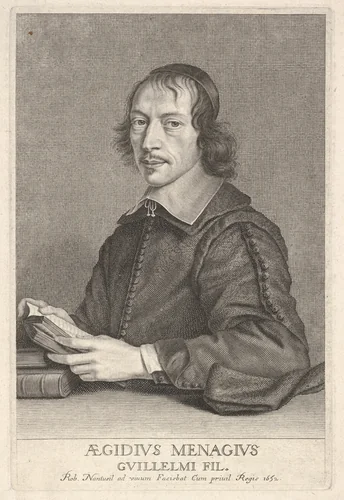
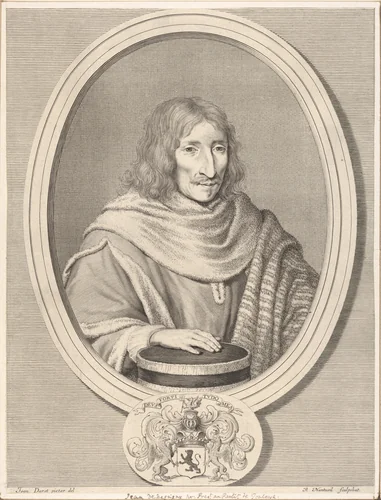
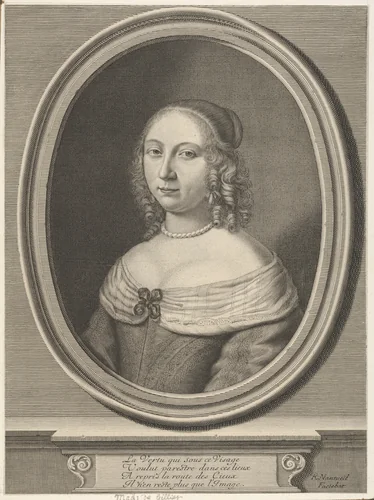
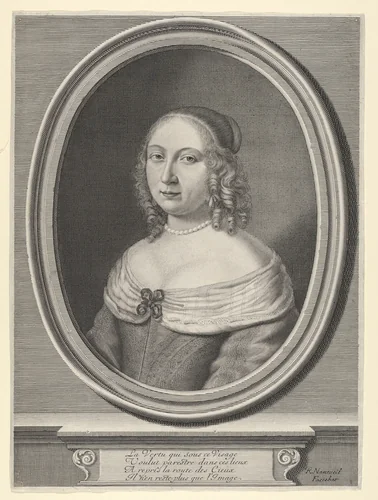
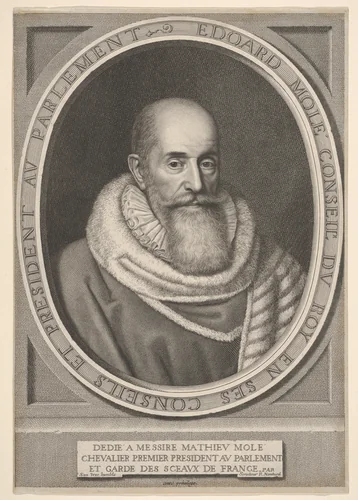
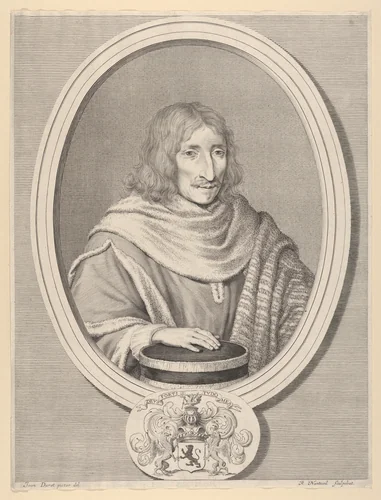
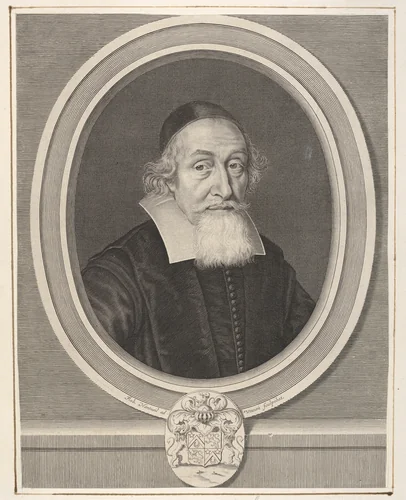
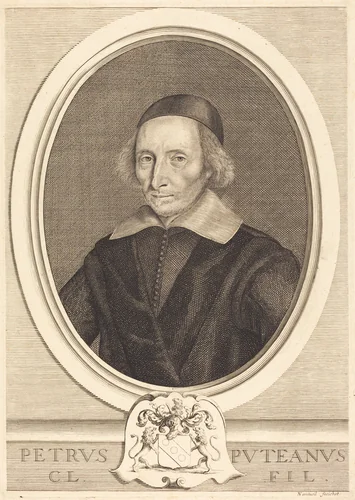
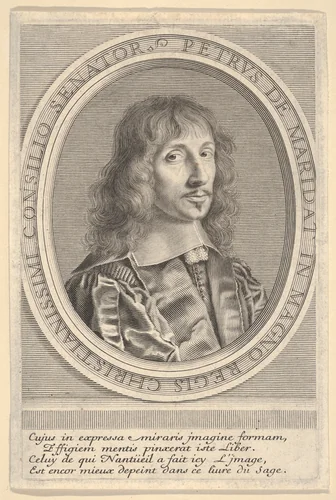
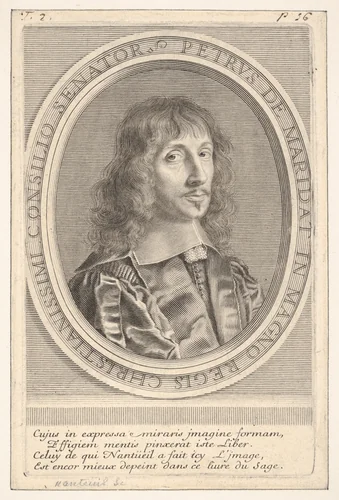
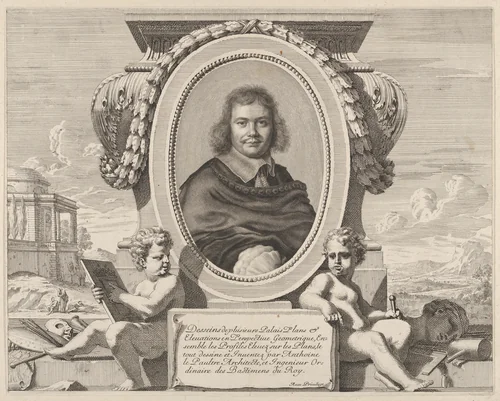
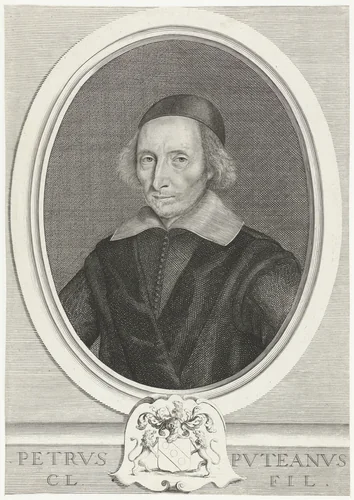
Robert Nanteuil (1623-1678) stands as the preeminent French portrait artist of the seventeenth century, a foundational figure whose innovations elevated the engraved portrait to the status of high art. Active during the height of Louis XIV’s reign, Nanteuil secured his position as the official engraver and pastellist to the King, a role that granted him unparalleled access to the most powerful and influential figures of the era. Though proficient as a draughtsman and pastellist, it is through his meticulous command of the burin that his lasting legacy was forged.
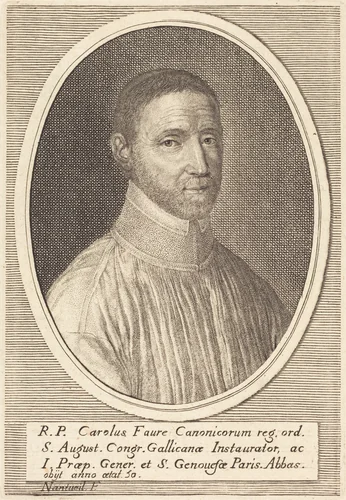
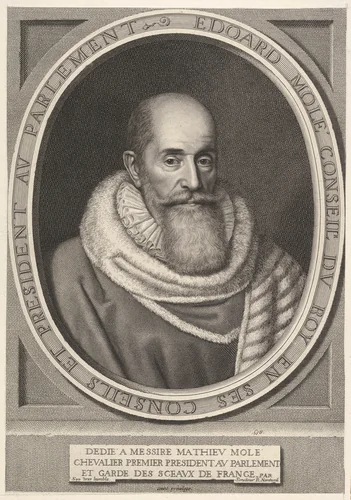
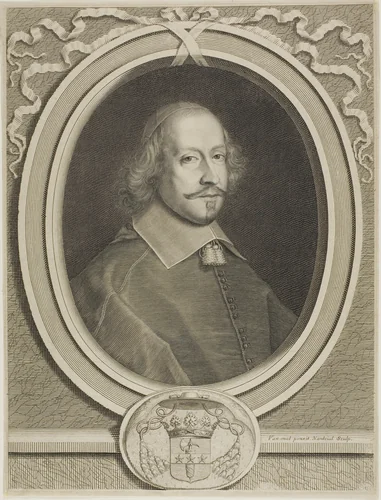
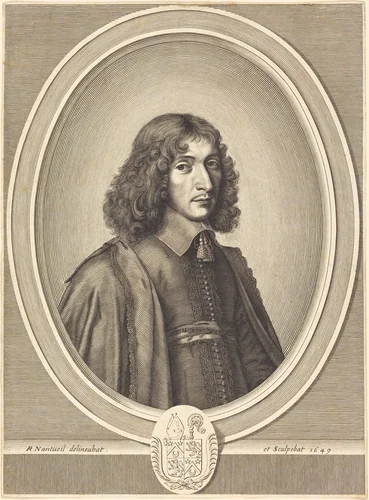
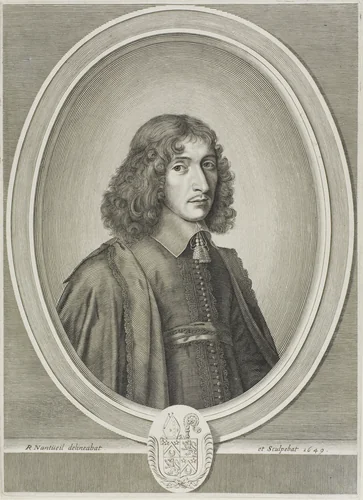
Nanteuil fundamentally redefined the standards of reproductive printmaking. Moving beyond the often stiff, conventional lines of earlier engravers, he developed a sophisticated linear vocabulary characterized by extraordinary control over texture, light, and shadow. He employed a varied density of strokes, modulating line weight to achieve a painterly effect that captured not only the physical likeness of his sitters but also their psychological presence. This technical mastery allowed his images to convey the luster of velvet, the sheen of silk, and the aging complexity of human skin with astonishing verisimilitude. His skill transformed the engraved portrait from a simple archival record into a compelling, museum-quality work of art in its own right.
While his role was often one of capturing the imposing dignity required by the Sun King’s court, one subtle element persists across his oeuvre: Nanteuil managed to depict even the most self-important clergy and demanding bureaucrats with a flicker of momentary humanity, a rare and appreciated feat within the era’s politically charged iconography.
The consistent excellence of Robert Nanteuil prints ensured his aesthetic dominance in French visual culture for decades. Today, these high-quality prints remain indispensable records of the period, housed in institutions globally, including the Metropolitan Museum of Art and the National Gallery of Art. As much of his life’s work has entered the public domain, the technical virtuosity displayed in specific commissions, such as the powerful likeness of Andre Le Fevre d'Ormesson and the study of Ferdinand de Neufville, continues to be studied by artists and historians alike.
Source: Wikipedia · CC BY-SA 4.0