Robert Michel
Robert Michel was a graphic artist whose brief but intensely focused career coincided with the dynamic experimental period of post-World War I European modernism. Though his documented active period spans only four years, from 1920 to 1924, his concentrated output of approximately a dozen known prints and select designs cemented his historical significance. His commitment to the graphic medium resulted in striking, high-quality prints that captured the structural anxieties of the early 1920s.
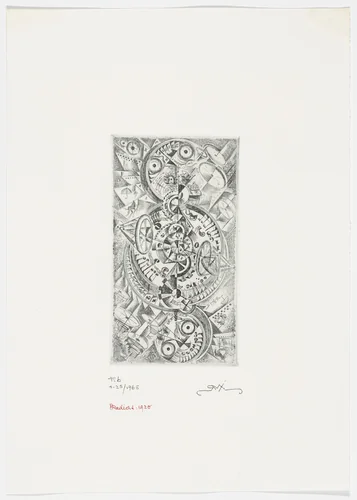
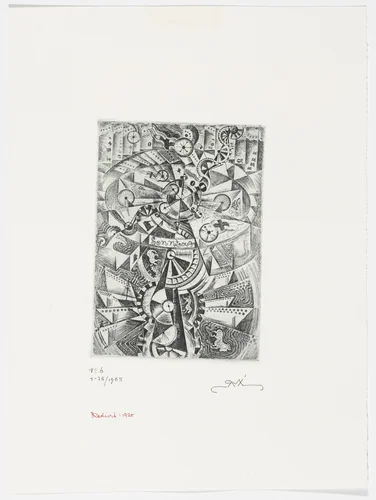
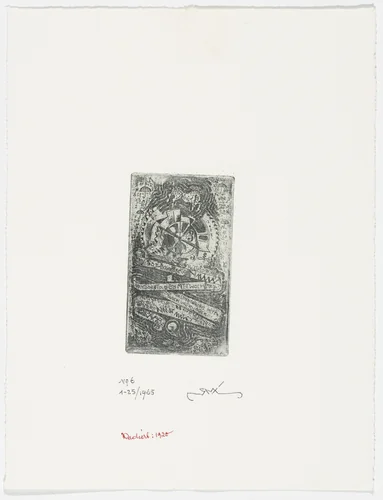
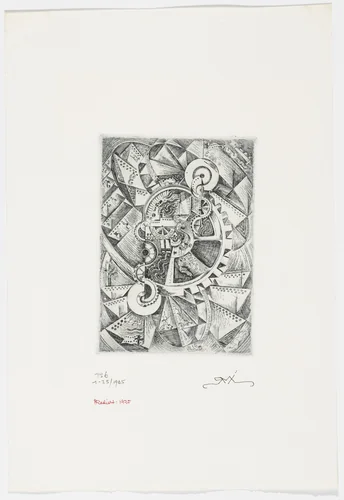
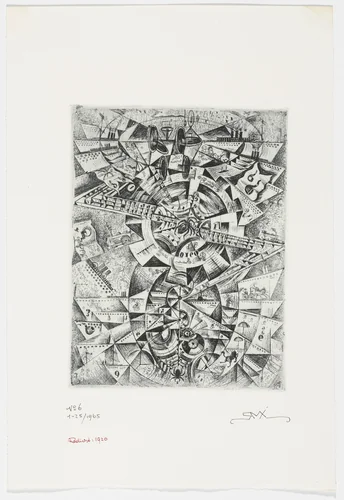
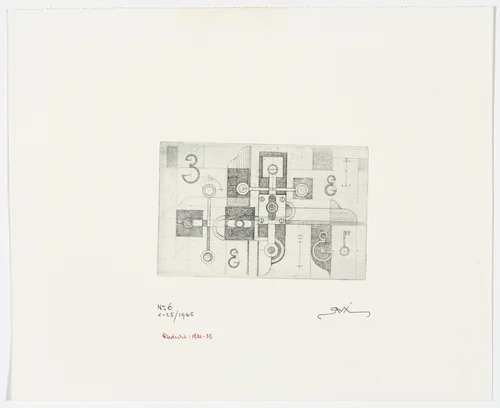
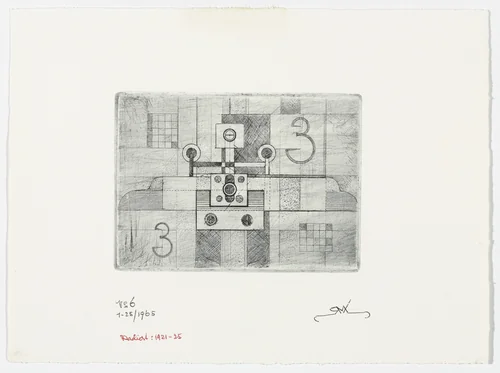
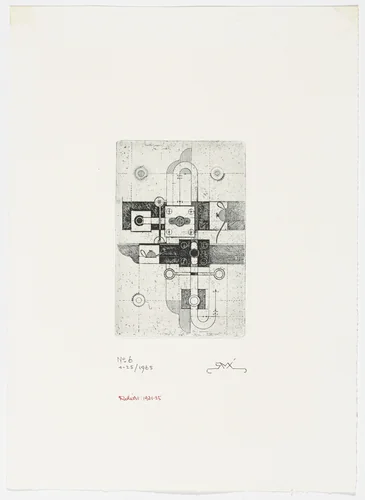
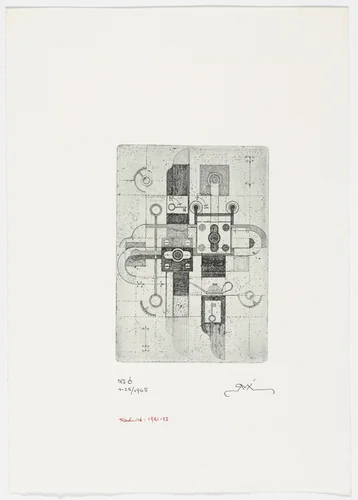
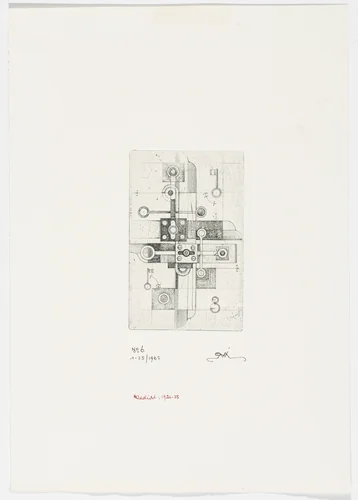
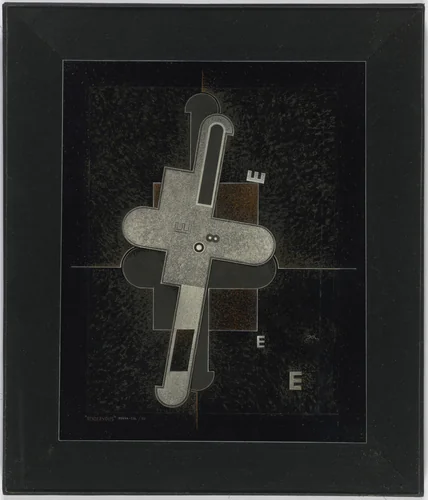
Michel is primarily recognized for his ambitious sequential project, The History, all derer von Sonntag bis Mittwoch und zurück (The History, all of those from Sunday to Wednesday and back). This major portfolio consists of a series of prints detailing successive days of the week, with known impressions including Sunday (Sonntag), Monday (Montag), and Tuesday (Dienstag). The entire work, which also features a distinct title page, exemplifies the era’s rising fascination with structured, time-based narrative conveyed through static visual arts.
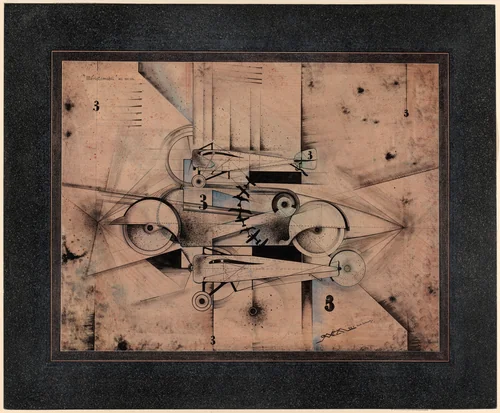
Stylistically, Michel’s work demonstrates a sophisticated engagement with post-Expressionist aesthetics. His technique employed strong, decisive contrasts and a rigorous control of negative space, lending his compositions a stark visual economy that anticipates later movements. The resulting images are highly graphic, functioning both as powerful individual statements and as essential components of the overarching narrative sequence.
His focus appears almost exclusively dedicated to the print medium; only a single drawing is currently documented alongside his primary body of graphic works, confirming his dedication to the reproducible image. It is perhaps a subtle testament to his mastery of printing processes that his relatively small oeuvre continues to attract major institutional attention. Today, significant examples of Robert Michel prints are preserved in prestigious international holdings, including the collection of the Museum of Modern Art. For researchers and enthusiasts of early modern printmaking, many of these compelling historical images are now available as downloadable artwork through institutional archives, ensuring continued study of this pivotal, yet compact, output.