Robert Macpherson
Robert Turnbull Macpherson (1814–1872), a Scottish artist and photographer, occupies a crucial position within the photographic documentation of mid-nineteenth century Rome. Moving away from traditional painting, Macpherson established his practice in Italy, becoming one of the most respected figures operating there in the 1850s, a pivotal decade for the refinement of photographic technology. His dedication to capturing the classical architecture and monumental scale of the city resulted in an indispensable body of work focused on the ruins of antiquity.
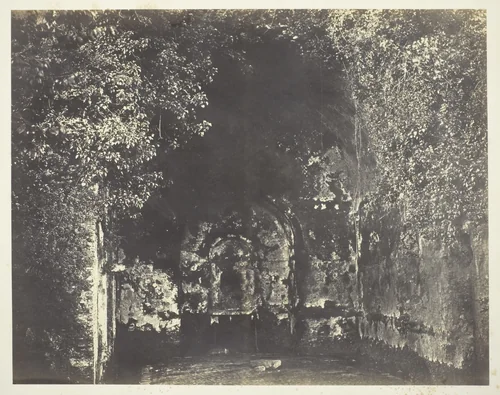
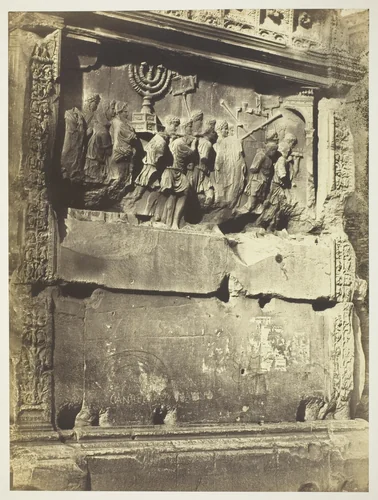
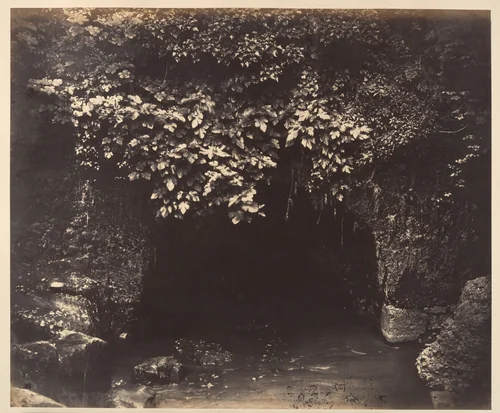
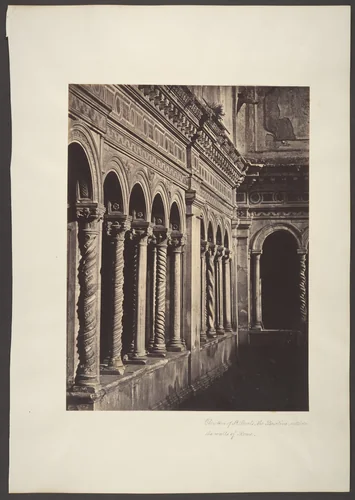
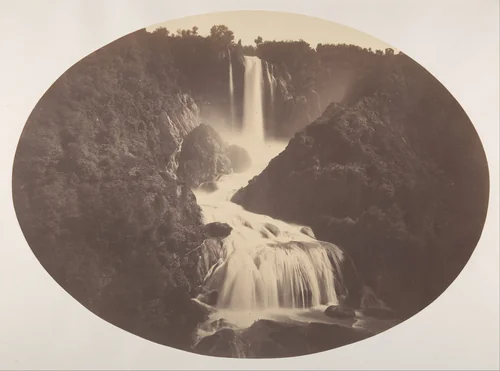
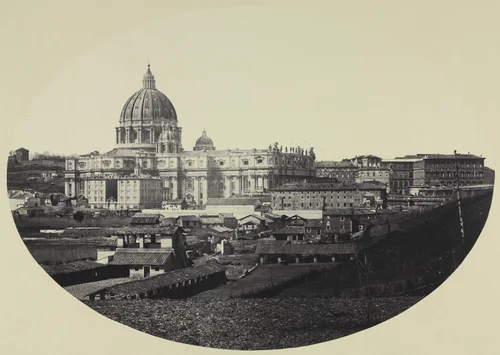
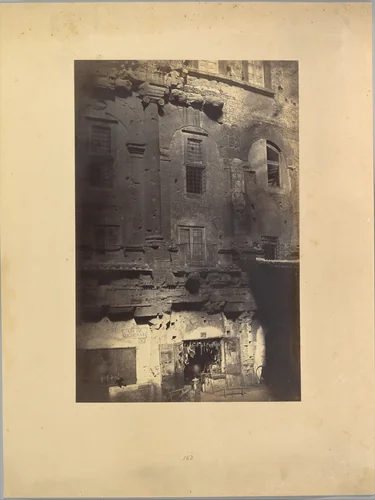
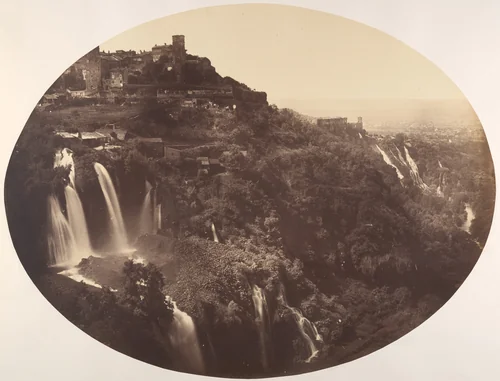
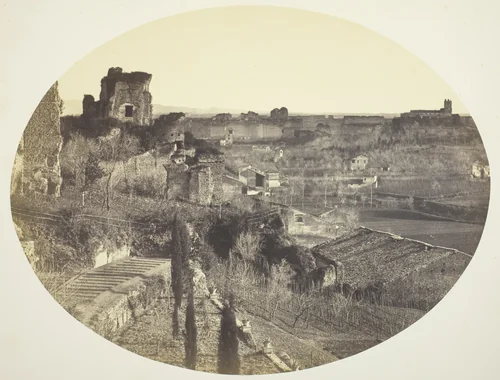
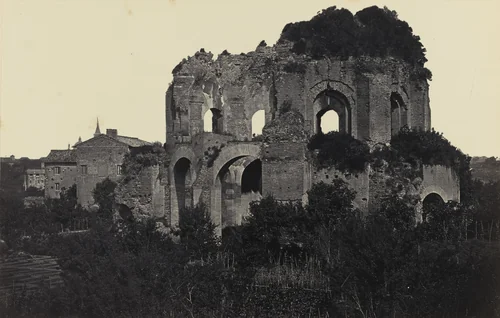
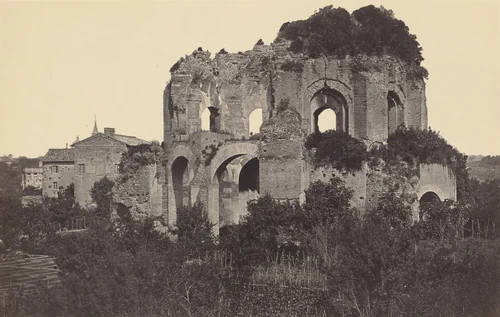
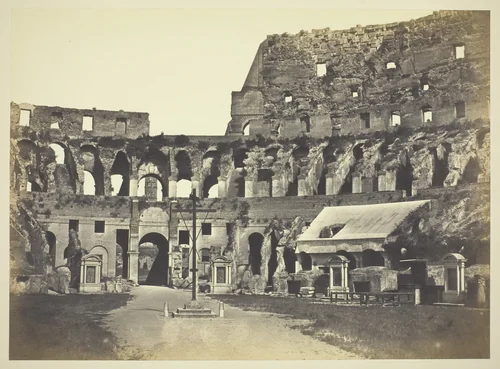
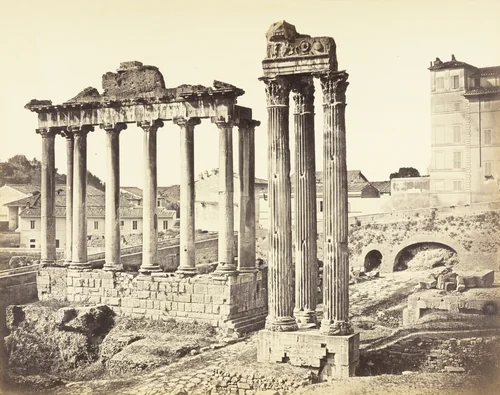
Macpherson viewed the camera not simply as a mechanism for topographical recording, but as a tool for profound artistic composition. His works, often produced as albumen prints and sometimes bound into volumes such as Photographs of Views of Rome, are distinguished by their technical precision and dramatic rendering of form and light. Views like the Arch of Septimus Severus, the Fountain of Neptune, and the structurally detailed Roman Forum, Antonio and Faustina demonstrate his keen architectural eye. He successfully translated the dramatic impact of the Roman ruinscape into a nascent visual medium that was rapidly replacing traditional painted vedute.
His success stemmed partly from shrewd business sense and partly from the sheer quality of his output. Macpherson ensured his photographic studies met the high standards expected by his clientele, transforming the market for Roman souvenirs from romanticized watercolors to technically exacting, factual visual documents. That he initially signed his photographs simply “R. Macpherson” sometimes causes minor identification difficulties for historians, a quirk that underscores the anonymity sometimes inherent in commercial success during this pioneering era.
Today, his powerful architectural studies reside in esteemed collections, including the Cleveland Museum of Art and the Art Institute of Chicago, solidifying his international legacy. The enduring clarity of Macpherson’s work ensures that many of his compositions, now in the public domain, are sought after by scholars and collectors alike, offering access to high-quality prints and downloadable artwork that capture Rome exactly as it stood before the major civic alterations of the late nineteenth century. Macpherson’s legacy remains one of technical skill coupled with an elevated, documentary sensitivity.
Source: Wikipedia · CC BY-SA 4.0