Robert Hills
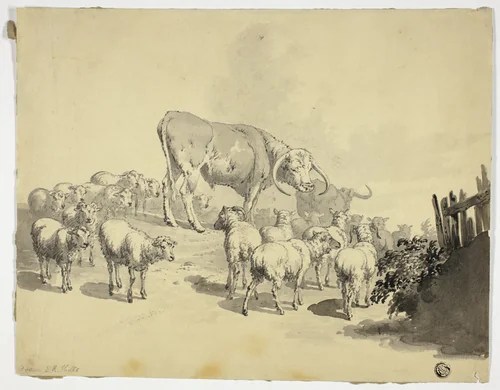
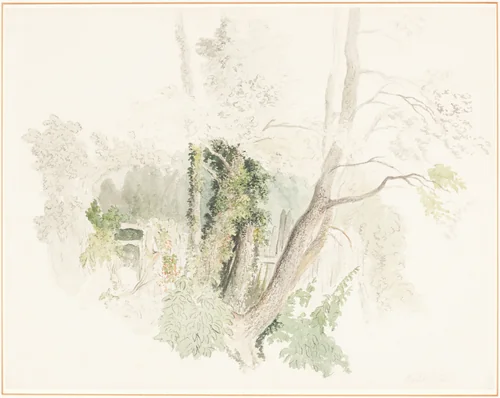
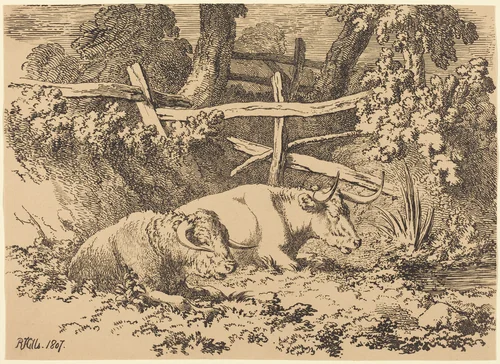
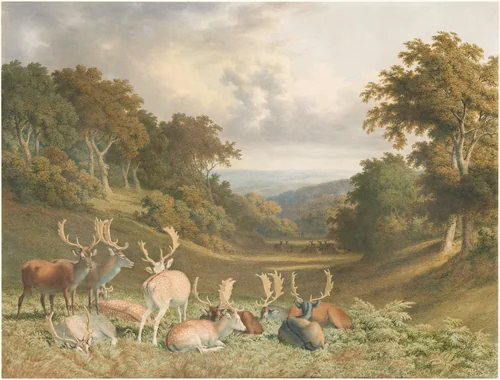
Robert Hills (1769-1844) was an influential English painter and etcher known almost exclusively for his sensitive, naturalistic depictions of livestock. Active primarily between 1769 and 1811, Hills established himself as a prominent animalier during the late Georgian and early Regency periods, producing a significant oeuvre that emphasized draughtsmanship and precision. His technical proficiency ensured his works entered permanent collections, including the Rijksmuseum, the National Gallery of Art, and the Art Institute of Chicago.
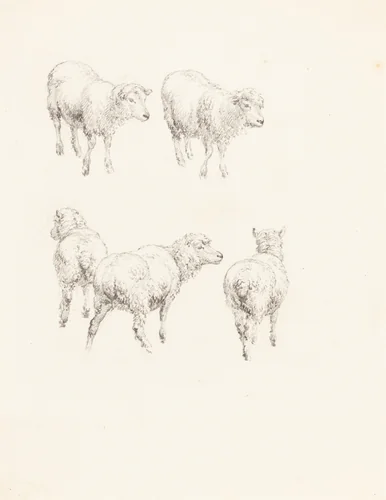
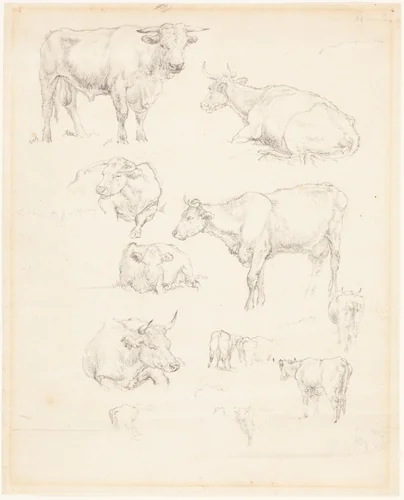
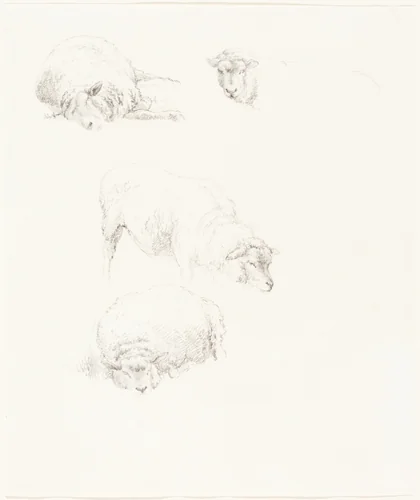
Distinct from the several other individuals of the era who shared his name, this Robert Hills focused his output on the intimate study of common barnyard subjects. While he executed a small number of finished paintings, the core of his achievement lies in his substantial body of preparatory drawings and detailed etchings, 12 of which survive in major collections. Works such as Studies of Cattle and Five Sheep reveal an intense observational skill, capturing not only the anatomy of his subjects but their texture, pose, and momentary character with great veracity.
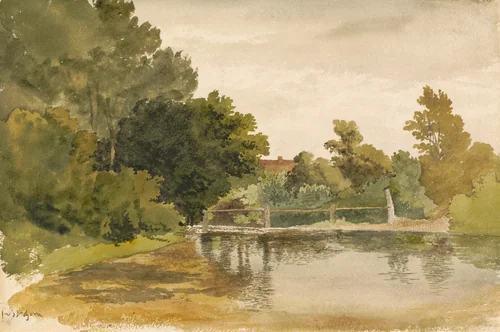
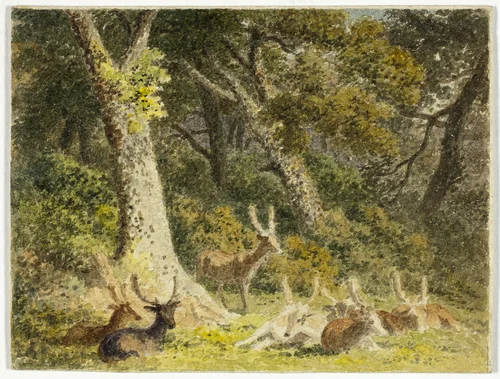
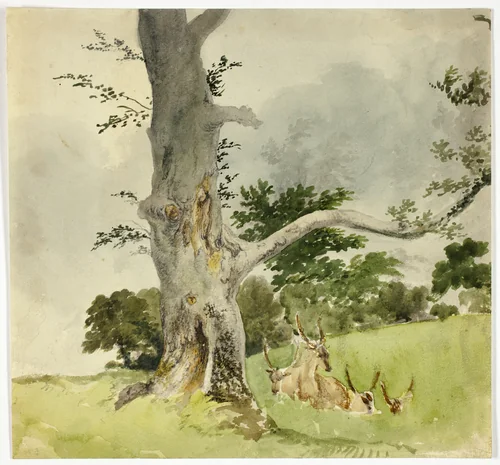
Hills had a particular talent for representing the subtle differences between breeds and the play of light across their coats, establishing a delicate aesthetic sometimes overlooked by history painters focused on grander themes. His approach rejected the typical heroic scale of conflict and history painting, preferring instead the quieter drama of the rural everyday, epitomized by the nuanced etching Reflections in a Wooded Pool.
It is a gentle historical irony that an artist dedicated to capturing fleeting visual moments of farm animals shares a name with a co-founder of Hills & Saunders, a Victorian photographic firm dedicated to permanent chemical records. Nevertheless, Hills’s meticulous dedication to his specialized subject area secures his legacy in British graphic art. Due to the wide accessibility of his output, many of his sketches and etchings are now widely available as high-quality prints within the public domain. These detailed works offer a valuable and often overlooked window into early nineteenth-century pastoral life, showcasing why institutions still prize these Robert Hills prints and drawings as museum-quality examples of the period's refined draughtsmanship.