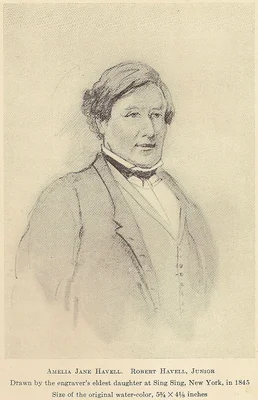
Robert Havell
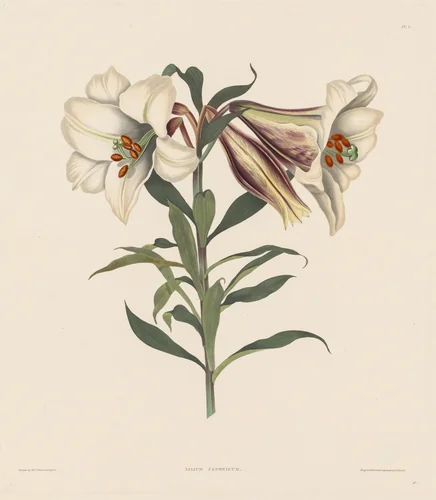
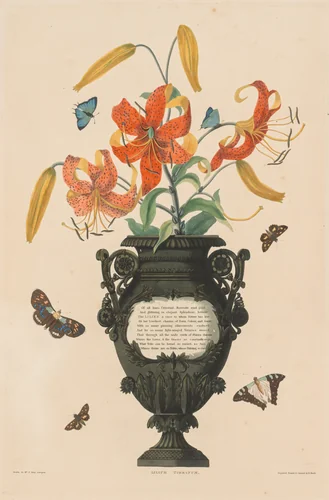
Robert Havell operated within one of 19th-century England’s most technically accomplished artistic dynasties, a family of engravers, etchers, and painters based primarily in Reading, Berkshire. The Havells were internationally recognized specialists in the execution of aquatint, a difficult intaglio process that allowed for the creation of tonal, watercolor-like effects in prints. This mastery of the medium placed them at the forefront of documentary and reproductive art for over two generations, significantly influencing the visual recording of natural history and topographical subjects across the British Empire.
The family’s collective reputation began with the efforts of the brothers Luke Havell and Robert Havell the Elder, joined by their nephew, Daniel Havell. Their technical precision was instrumental in elevating the aquatint to a recognized art form, moving it beyond simple illustration. Curiously, and distinguishing them from their contemporaries, the family maintained a sustained and often overlooked association with Indian art and culture, producing significant works that bridged Eastern subjects with Western printmaking traditions, an unusual specialty for a provincial English print shop.
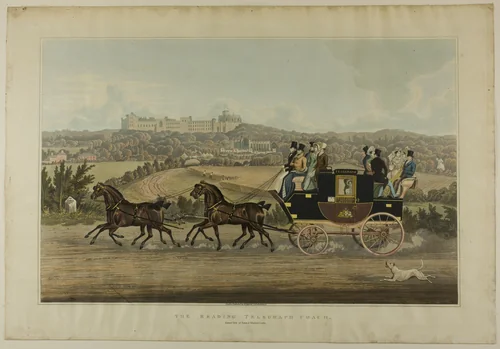
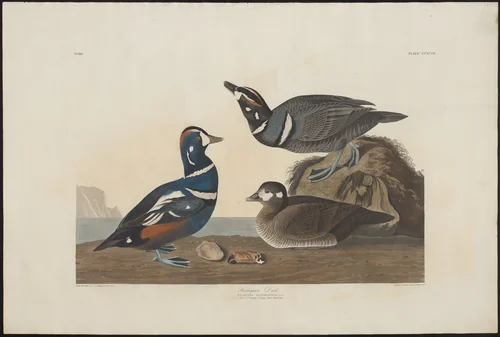
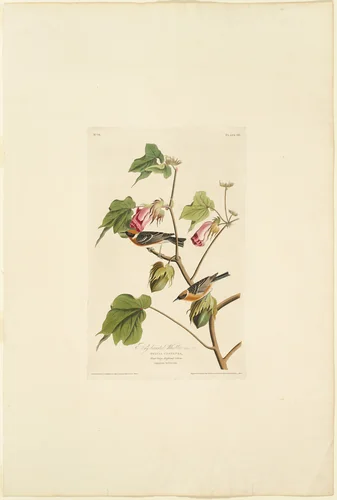
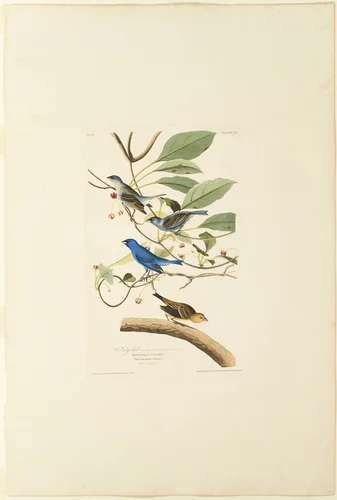
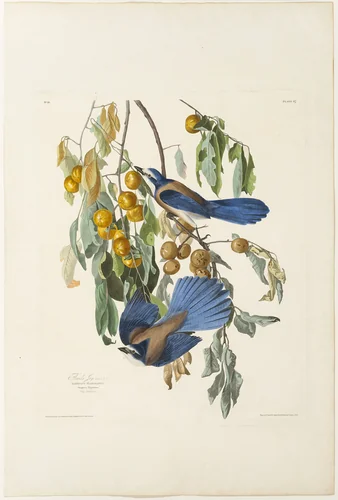
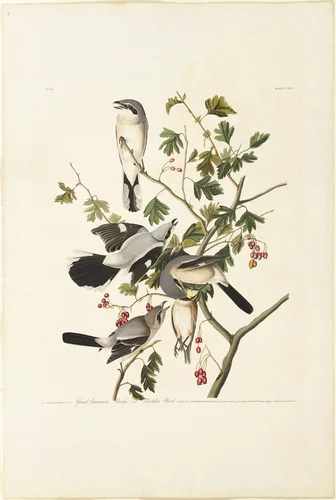
Robert Havell’s active period, notably between 1813 and 1834, demonstrates this remarkable technical breadth, encompassing both ornithological precision and detailed topographical observation. Surviving high-quality prints, now housed in major repositories such as the Art Institute of Chicago and the Cleveland Museum of Art, showcase his detailed natural history work. These include precise renderings of species like the Black Backed Gull, the Harlequin Duck, the Male Bay Breasted Warbler, and the Male Indigo Bird. Juxtaposing these delicate natural subjects is the broader topographical documentation found in works like The Reading Telegraph Coach.
The consistency and standardization of the complex aquatint process by the Havell family ensured that their output, whether capturing a rapidly moving coaching route or a static avian specimen, was consistently museum-quality. These historically significant Robert Havell prints remain a benchmark for early 19th-century English printmaking and are often now widely accessible as downloadable artwork via public domain collections.
Source: Wikipedia · CC BY-SA 4.0