Robert Frederick Blum
Robert Frederick Blum was a pivotal American artist whose early career was distinguished by rare institutional recognition and influence. His talent was acknowledged quickly by the art establishment, evidenced by his acceptance as one of the youngest members ever elected to the National Academy of Design. This early success positioned Blum as a significant figure in the highly active New York art world of his era.
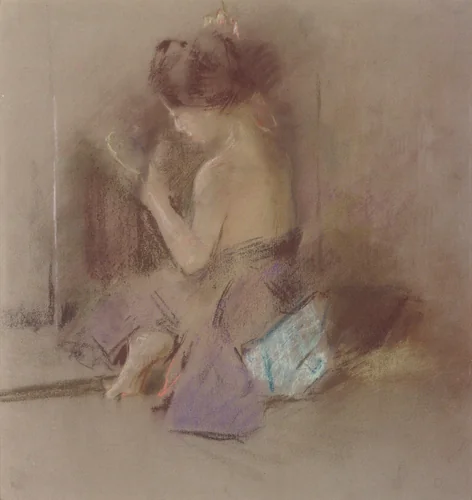
Blum’s authority extended beyond his individual creations, encompassing a deep involvement in the management and standardization of artistic practice. He served concurrently as a respected member of the Society of American Artists and the American Watercolor Society, demonstrating a versatile mastery across multiple media. Perhaps his most defining institutional role was his tenure as President of the Painters in Pastel. This leadership position confirms his highly regarded technical skill in pastels, a medium prized during the period for its capacity to render color and light with immediate vibrancy.
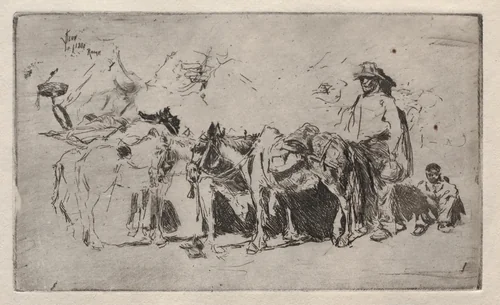
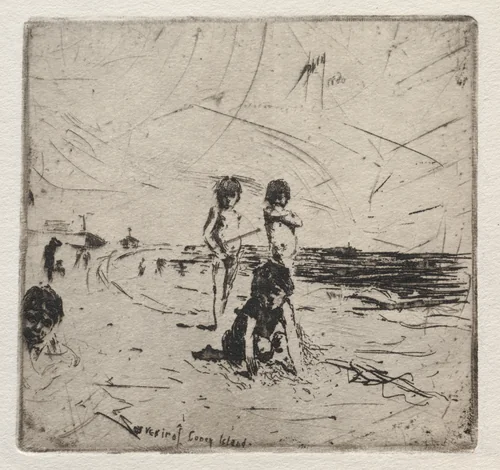
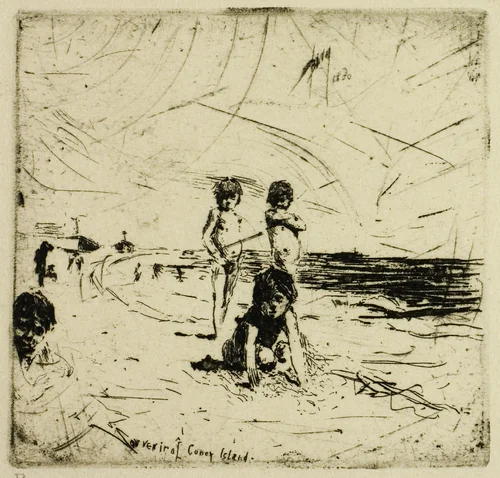
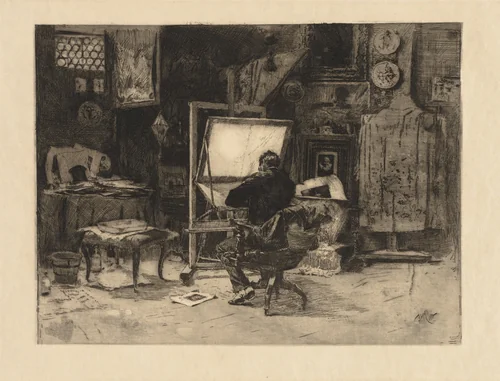
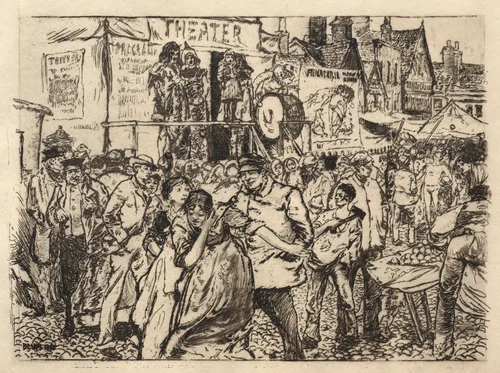
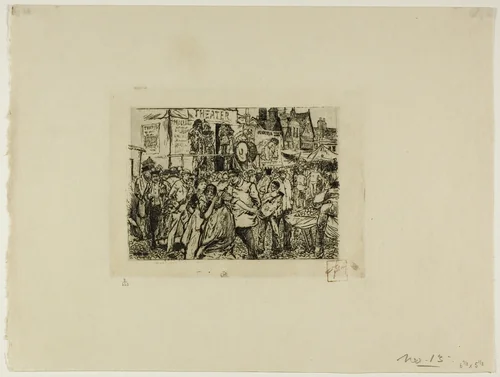
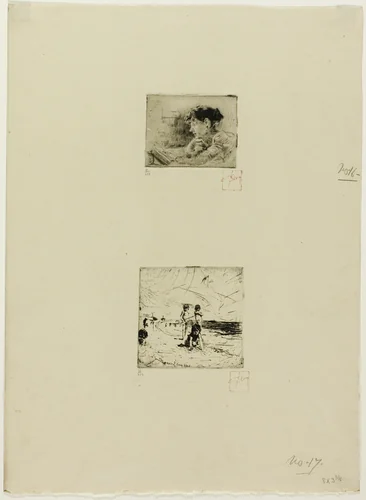
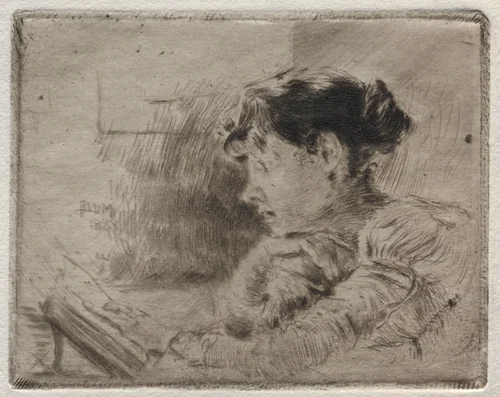
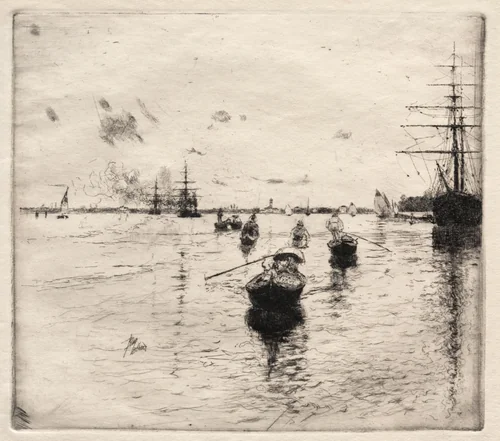
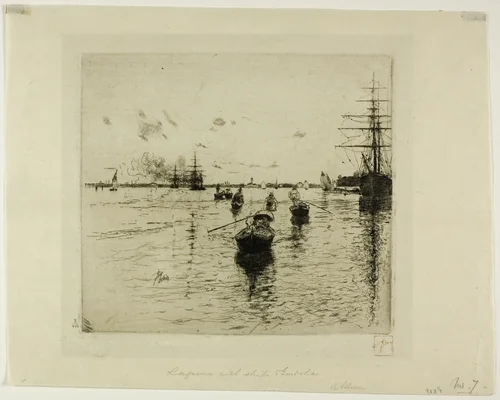
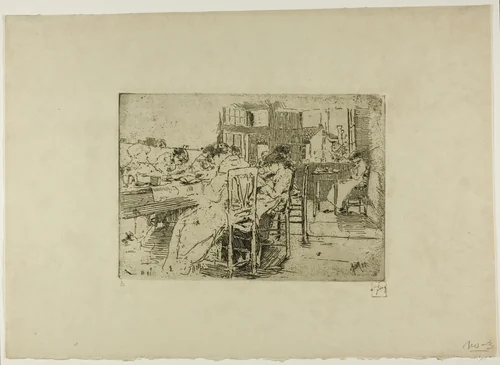
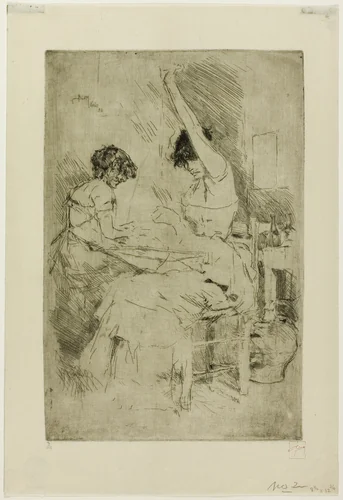
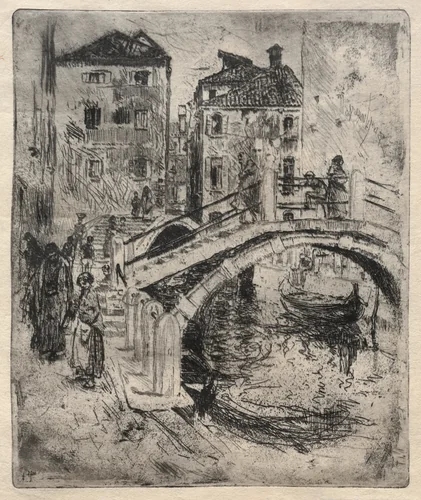
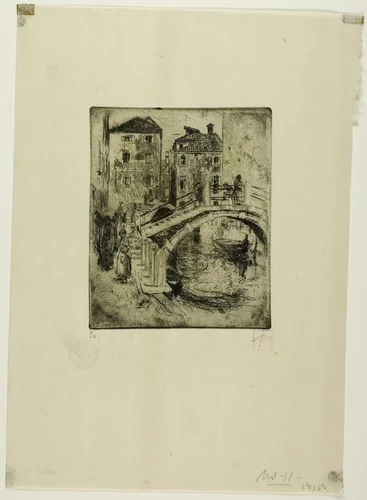
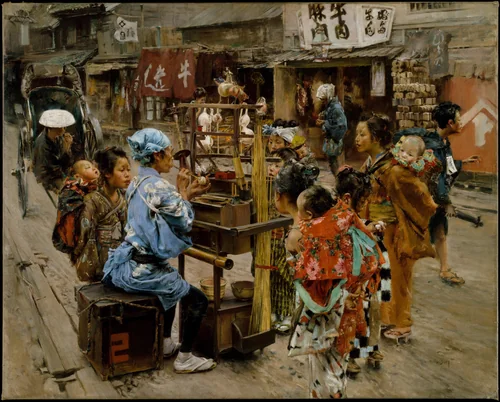
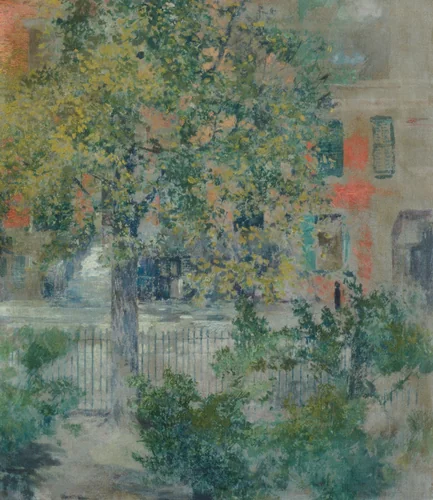
The breadth of Blum’s surviving work, comprising paintings, drawings, and Robert Frederick Blum prints, offers insight into his academic rigor and his fascination with international subject matter. His graphic studies, such as the carefully realized Half Nude Figure of a Man and the delicate Head of a Girl, showcase a commitment to academic drawing principles. Yet, he balanced this formal training with a keen eye for atmospheric genre scenes observed during his extensive travels abroad. Works like Monday Morning, Holland and Venetian Canal and Boats, No. 8 suggest an artist who excelled at capturing fleeting moments and local character, blending rigorous technique with a traveler’s curiosity. It is an interesting side note that an artist with such demanding institutional commitments still found time to produce such evocative and personal studies as Profile of a Girl.
Blum’s historical importance is confirmed by the sustained interest of major American museums, including the Metropolitan Museum of Art, the Cleveland Museum of Art, and the Art Institute of Chicago, which actively maintain collections of his work. Many of the artist’s seminal works have now entered the public domain, ensuring their continued accessibility. These high-quality prints and drawings remain valuable resources for understanding the stylistic currents that influenced late nineteenth-century American artists.
Source: Wikipedia · CC BY-SA 4.0