Robert Frank
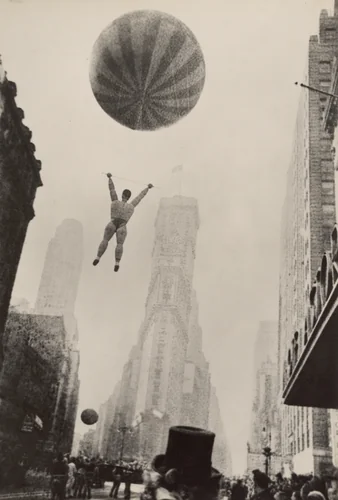
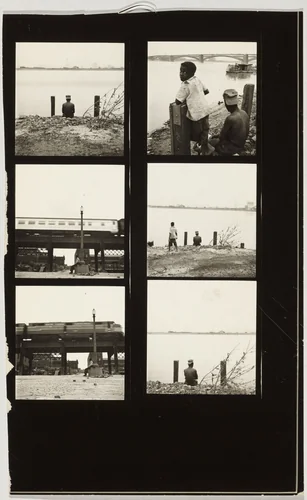
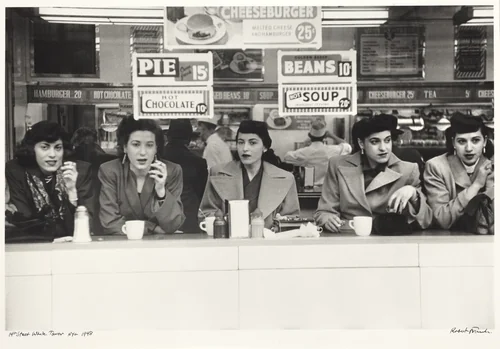
Robert Frank (1924-2019) stands as a foundational figure in postwar American photography, a Swiss-born artist whose rigorous training and distinctive outsider perspective radically redefined the documentary form. His significance is inextricably linked to the 1958 publication, The Americans, a work considered among the most influential photography books of the twentieth century. Compiled from images taken during extensive road trips across the United States supported by a Guggenheim Fellowship, the book offered a complex, nuanced, and frequently unsettling portrait of the national psyche.
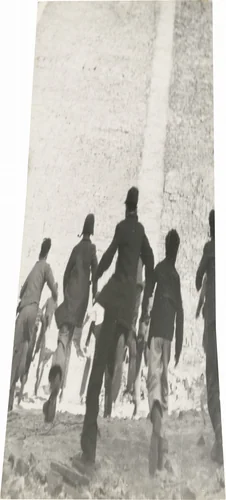
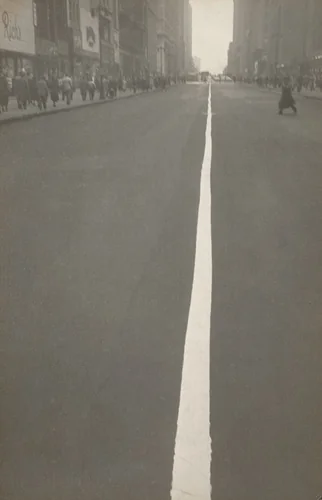
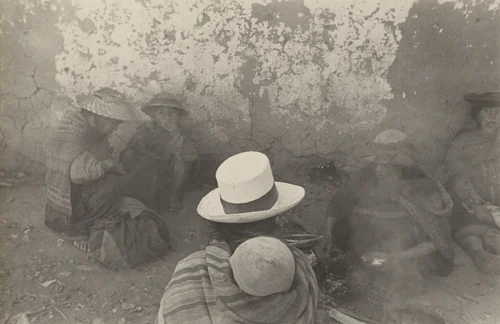
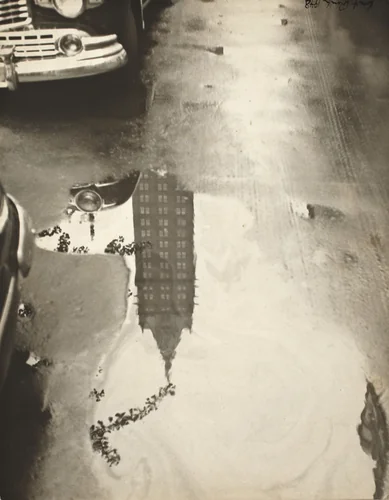
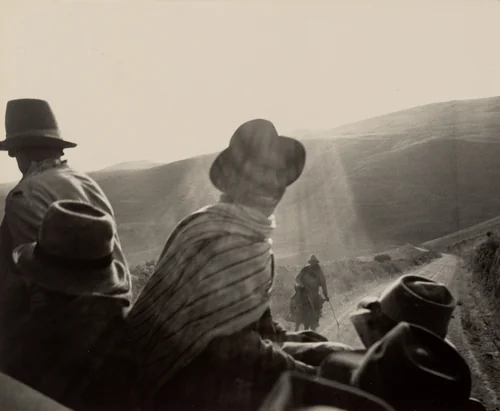
Frank’s approach challenged the established conventions of mid-century photojournalism, which typically favored optimistic, highly composed narratives. Instead, he utilized a raw, subjective visual language—often employing blurred movement, tilted horizons, and low light—to capture the isolation, cultural anxieties, and subtle contradictions inherent in American life. This unflinching honesty earned him immediate comparison to Alexis de Tocqueville, recognizing Frank’s ability to conduct a fresh, deep assessment of the culture. As critic Sean O’Hagan observed, The Americans “changed the nature of photography, what it could say and how it could say it.”
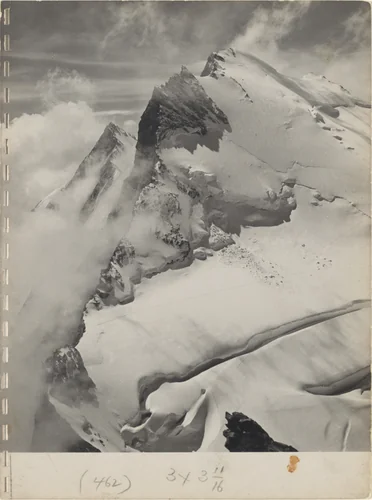
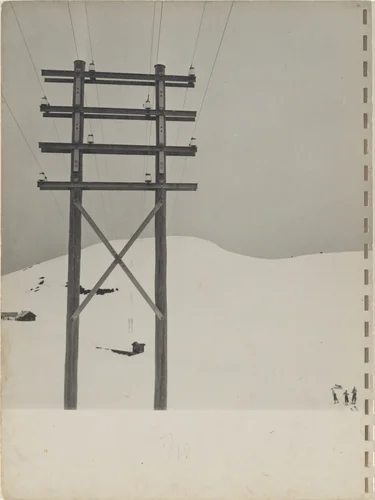
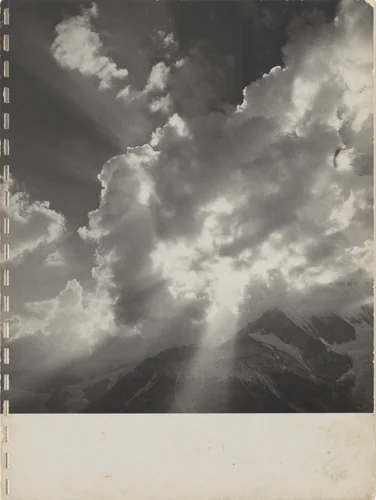
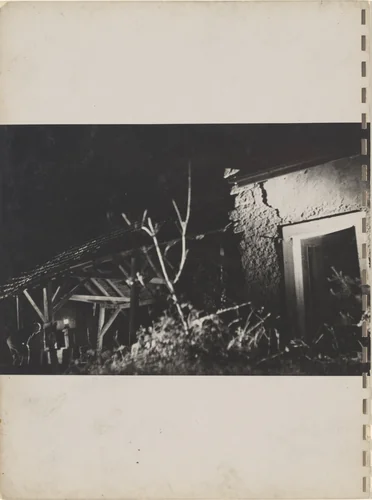
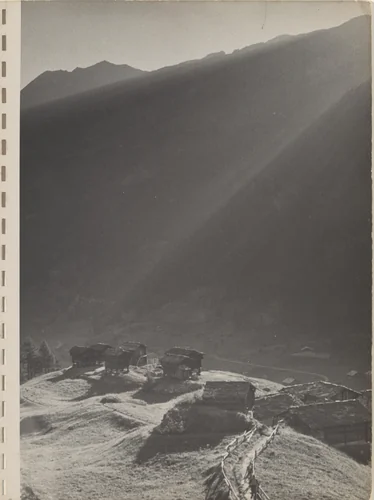
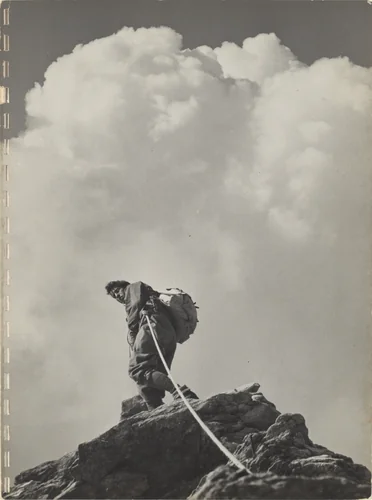
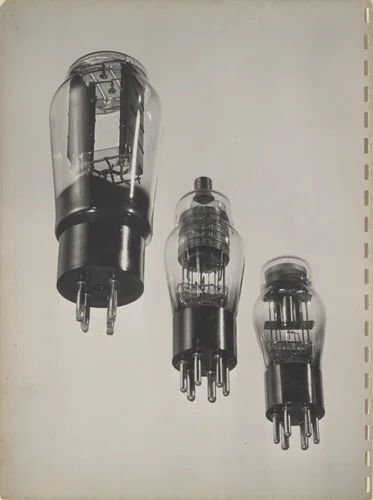
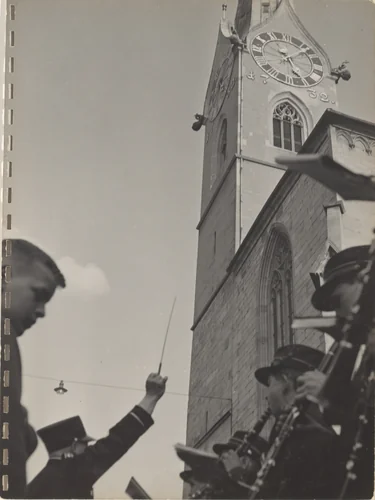
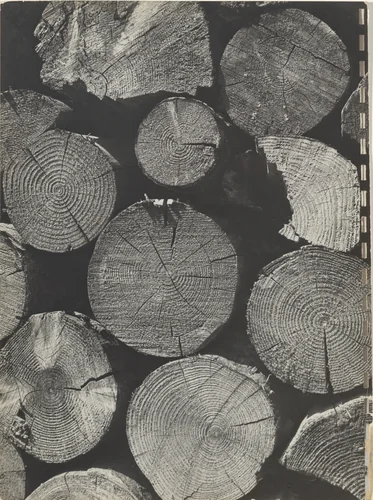
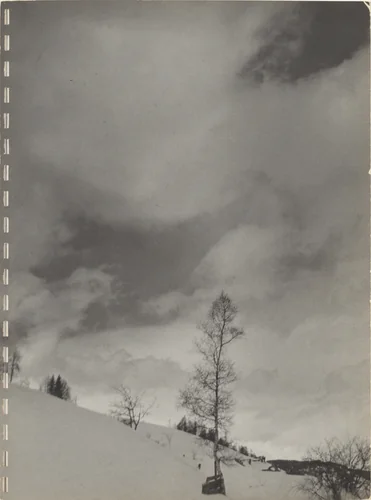
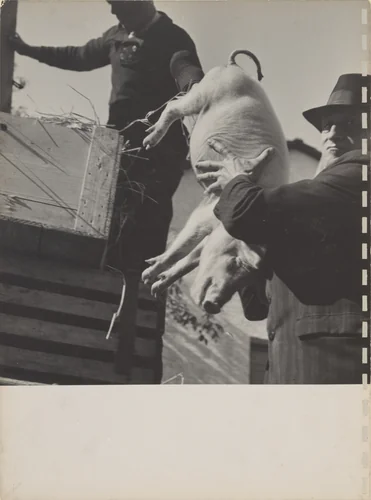
Before this groundbreaking work, Frank established his formal precision through early European studies, as seen in the intimate domestic observations of series such as Die Kinder (Children) and the geographic studies designated Die Landschaft (Landscape). Fifteen photographs from this early active period (1942-1946) are documented, reflecting the meticulous groundwork that preceded his American travels; many early works are held in major public collections, including the National Gallery of Art.
Frank later expressed a deep ambivalence toward the constraints of the photographic establishment and shifted focus, expanding his practice into highly influential experimental film and video. Even when returning to still images, he continually innovated, utilizing image manipulation and photomontage to further distance his work from traditional objectivity. While this relentless pursuit of new forms highlights an artist constitutionally incapable of repeating himself, it is the photographic record of the 1950s that cemented his legacy. Today, the foundational influence of Robert Frank prints is evident across modern practice, with many of his celebrated images now available as museum-quality, high-quality prints and downloadable artwork entering the public domain.
Source: Wikipedia · CC BY-SA 4.0