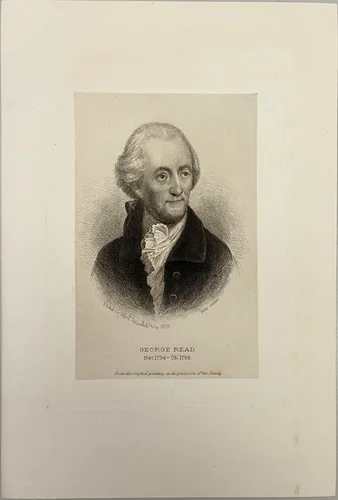
Robert Edge Pine
Robert Edge Pine was a highly respected English portraitist and historical painter whose career bridges the artistic sensibilities of mid-eighteenth century Britain and the political dynamism of the early American Republic. Born in London, Pine inherited his affinity for visual communication from his father, John Pine, a celebrated engraver and designer. This professional lineage equipped the younger Pine with the meticulous draughtsmanship and sophisticated compositional skills evident in his extensive body of work.
Pine established a solid reputation in England, but his most historically resonant output emerged following his decision to relocate to the colonies. Settling primarily in Philadelphia, he positioned himself perfectly to document the key figures shaping post-Revolutionary America. Active during a period stretching into the late eighteenth century, Pine secured crucial commissions that have preserved the physical likenesses of American statesmen and military leaders.
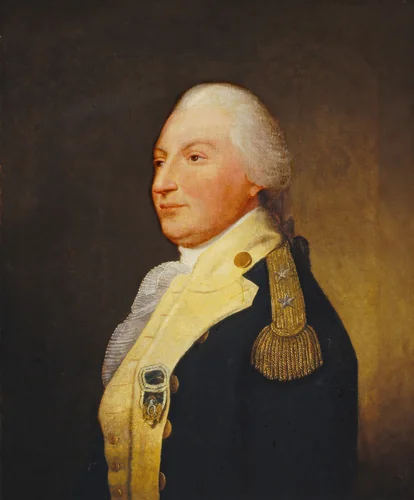
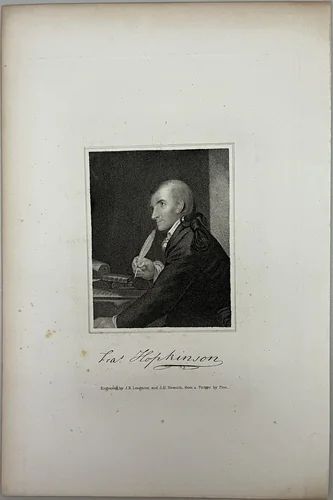
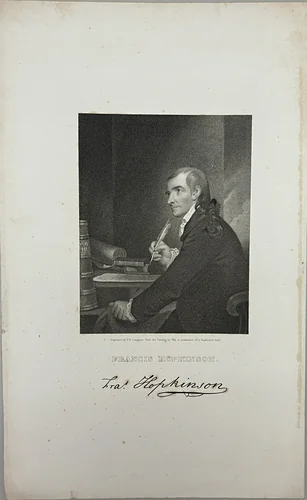
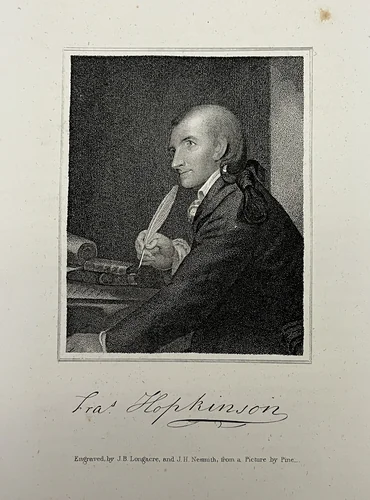
His portraits offer essential visual testimony to the era, depicting influential figures such as General William Smallwood and signatory George Read. Perhaps most notably, Pine captured multiple images of Francis Hopkinson, a prolific writer and musician, demonstrating a repeated professional interest in the subject that speaks to the sitter's own political and cultural significance. These sittings provide an invaluable record, reflecting the gravity and ambition of the Founding generation.
Pine’s work serves as a vital anchor in early American portraiture, helping define the visual standard for historical documentation in the nascent nation. His commitment to clarity and detail ensured that his portraits, unlike some of the more elaborate history paintings of the period, possessed a lasting, informative quality. Many of these important Robert Edge Pine paintings are today held in prestigious institutions, including the National Gallery of Art and the Art Institute of Chicago. Thanks to their wide dissemination, high-quality prints derived from these historical masterworks continue to be studied and admired, cementing Pine's place as a fundamental chronicler of the new republic.
Source: Wikipedia · CC BY-SA 4.0