Robert Dunkarton
Robert Dunkarton was a printmaker active during a significant transitional period of British art, with documented professional activity spanning 1770 to 1811. As an artist specializing in prints, his output focused on translating dramatic historical subjects and portraits into reproducible formats suitable for public dissemination.
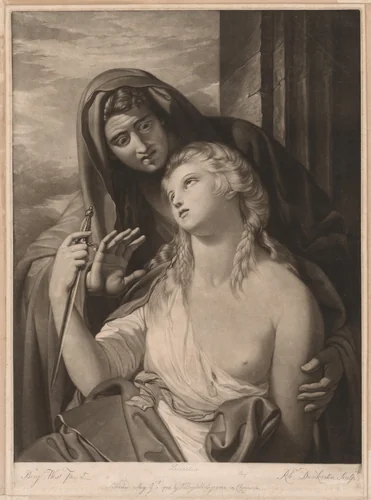
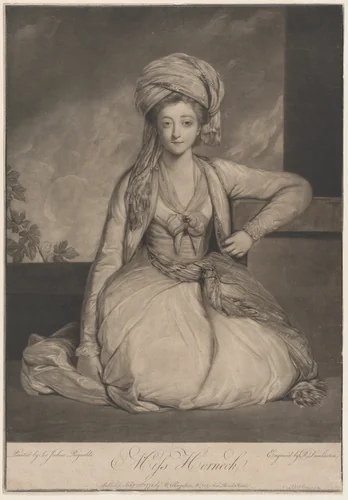
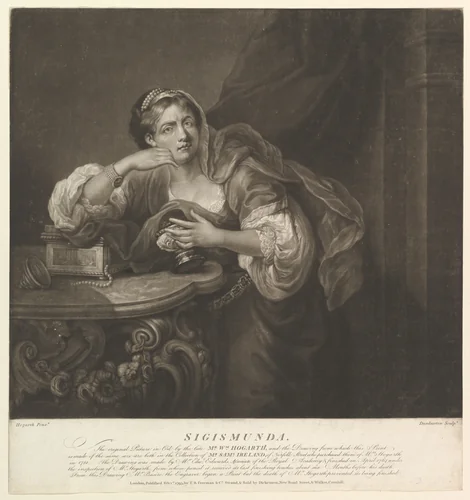
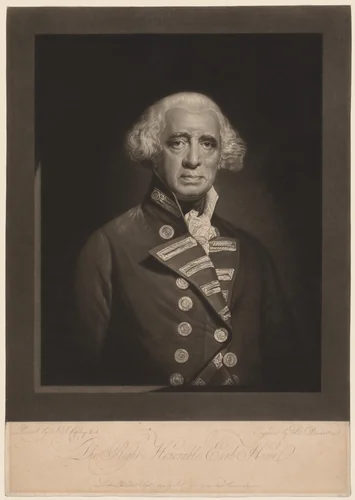
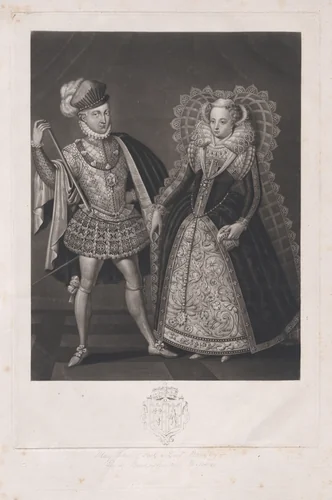
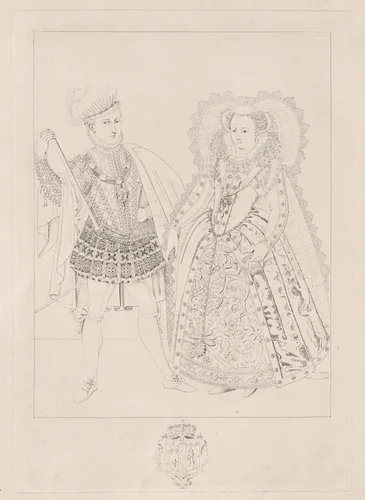
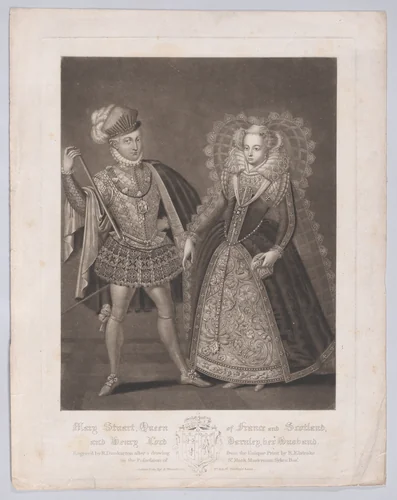
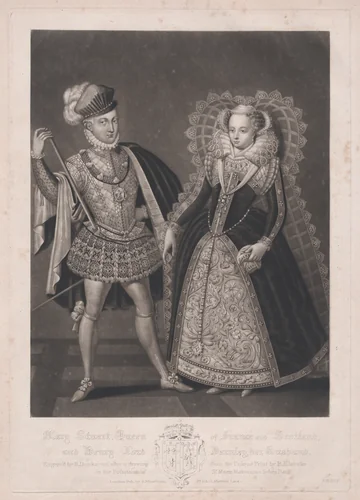
Eight Robert Dunkarton prints are currently represented in major international museum collections. These works typically address high-drama narrative subjects favored during the late eighteenth century, often drawing from classical literature, biography, and recent history. Noted works represented in museum collections include the classical tragedy Death of Lucretia, the historical grouping Mary, Queen of Scots and Lord Darnley, and the portrait Richard, Earl Howe. Other significant prints include Mary Horneck and Sigismunda.
The importance of Dunkarton’s activity is affirmed by the inclusion of his prints in major American institutions, notably the Metropolitan Museum of Art and the Cleveland Museum of Art. The presence of his art in these major repositories establishes his role within the printmaking history of the period. Today, many of these historical images are in the public domain, allowing access to downloadable artwork and high-quality prints for researchers and collectors.
Source: Wikipedia · CC BY-SA 4.0