Robert de Baudous
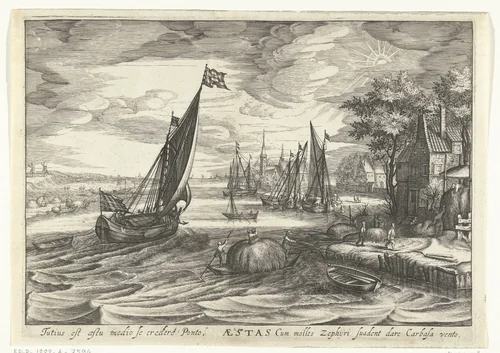
Robert de Baudous was an artist and printmaker active during the transition from the late sixteenth into the early seventeenth century. His documented period of activity spans from 1591 to 1618, focusing primarily on the creation of prints depicting religious narratives and allegorical subjects.
The historical study of Robert de Baudous is based on the limited number of surviving examples; thirteen of his prints are documented and preserved in museum collections. These works establish his prominence within the printmaking tradition of the era. The Rijksmuseum holds a significant selection of his output, confirming the importance of his work for art historians studying the period.
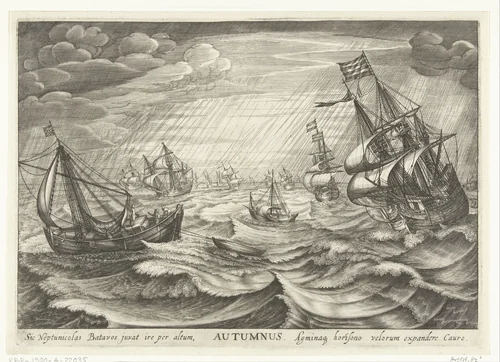
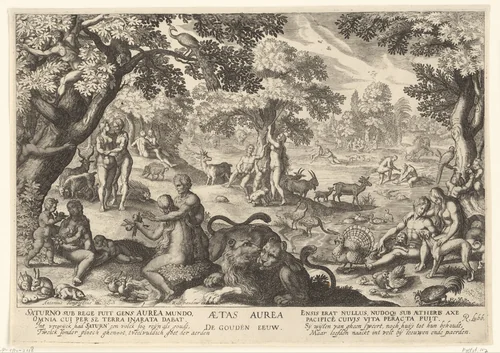
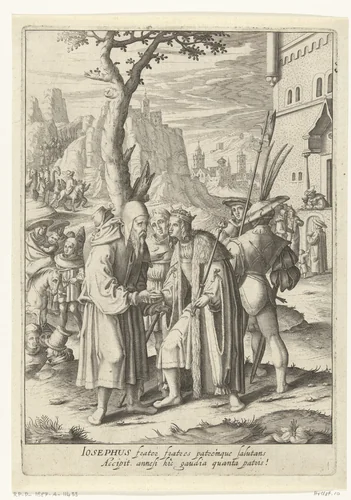
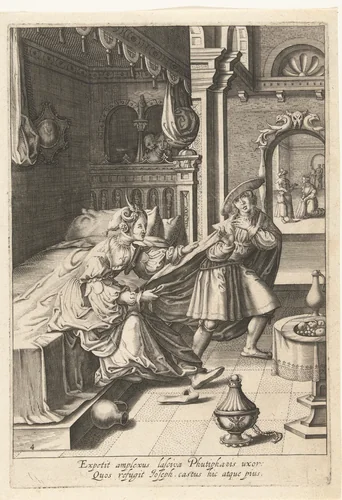
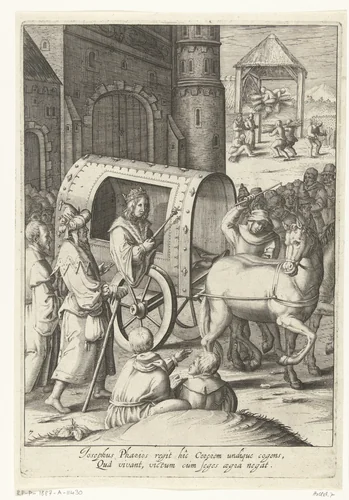
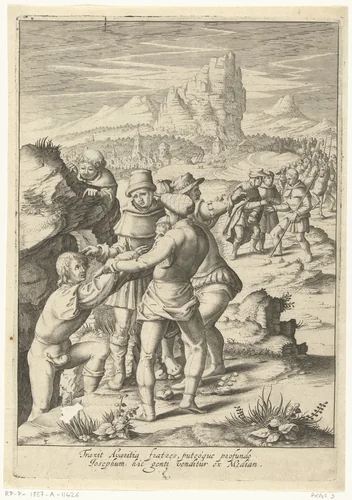
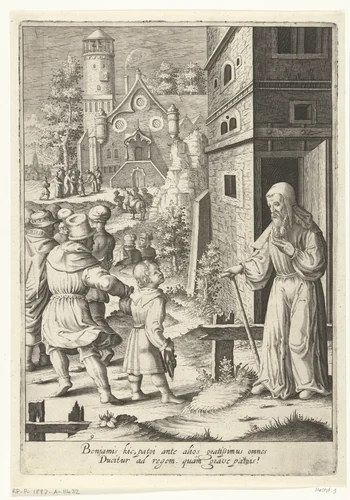
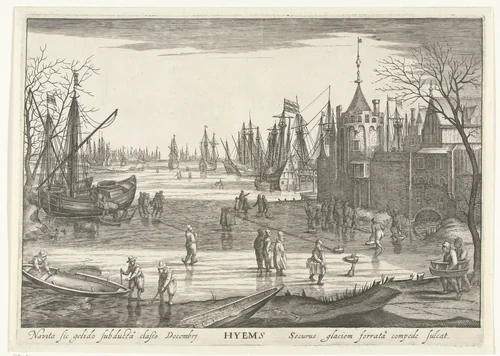
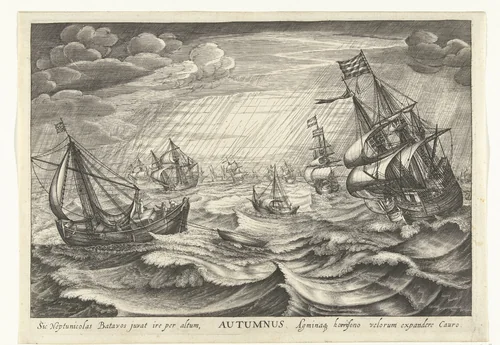
The prints represented in collections include the allegorical piece Herfst and Het gouden tijdperk. A notable segment of his known catalog centers on the Biblical story of Joseph, with documented examples such as Jozef ontmoet Jakob in Gosen, Jozef ontvlucht de vrouw van Potifar, and Jozef trekt in een wagen door heel Egypte.
Today, many of Robert de Baudous prints are available through institutional archives. The accessibility of these images, often digitized as high-quality prints, allows for continued academic research. Furthermore, due to the age of these works, they are largely in the public domain.