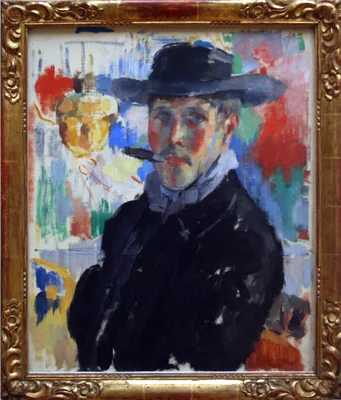
Rik Wouters
Hendrik Emil Wouters (1882-1916), known widely as Rik Wouters, stands as a seminal yet tragically short-lived figure in the Belgian contribution to early 20th-century modernism. Working across the disciplines of painting, sculpture, draughtsmanship, and etching, Wouters demonstrated a remarkable formal versatility and depth of vision compressed into an intensely productive career that spanned just over a decade.
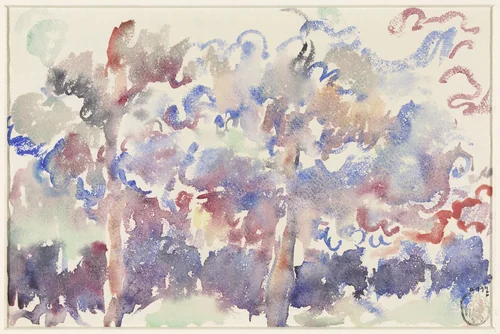
His painted oeuvre is intrinsically linked to Fauvism, echoing the radical colorist innovations developed simultaneously in France. Wouters’s palette was characterized by an exuberant use of light and saturated hues applied with decisive, yet intimate, strokes. Critics and contemporaries immediately recognized a powerful conceptual kinship between Wouters’s work and that of pioneers like Henri Matisse, Paul Cézanne, and André Derain, the artists credited with launching the Fauvist revolution. While borrowing their expressive freedom, Wouters grounded his compositions in subjects close to home, favoring domestic interiors, portraits, and light-drenched landscapes like Landschap, Boitsfort, met bloeiende fruitbomen.
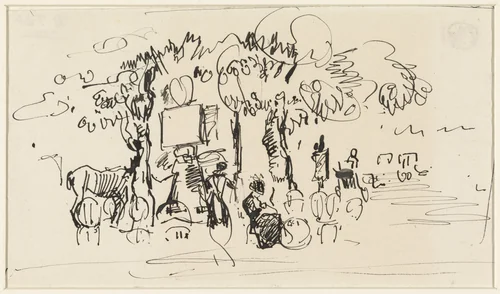
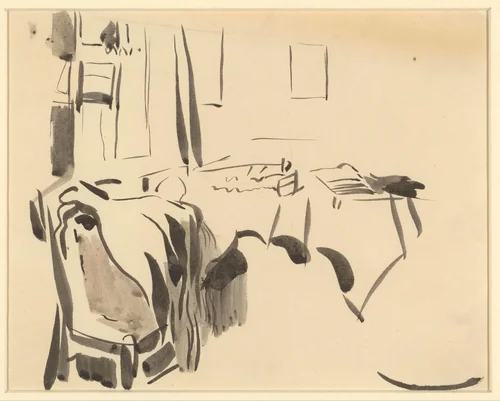
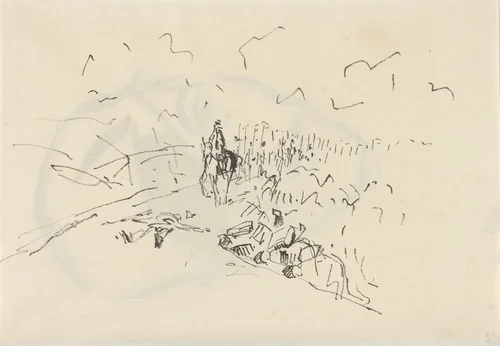
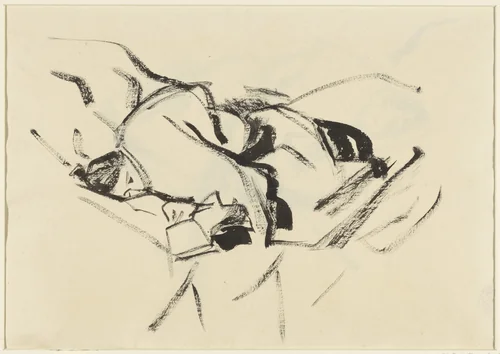
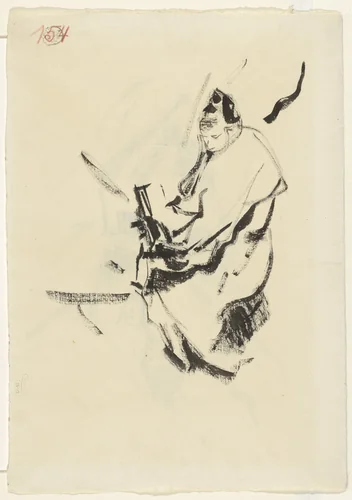
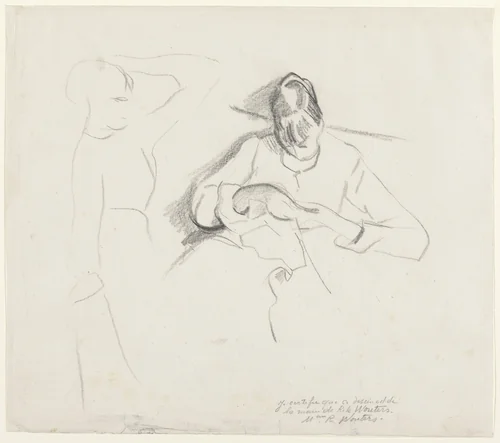
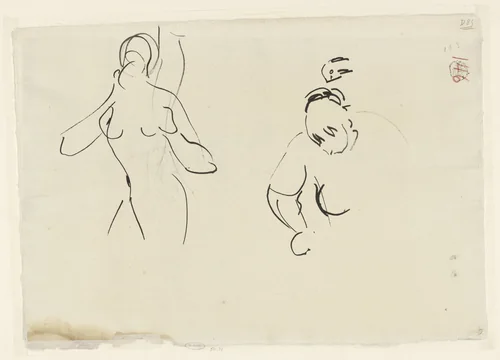
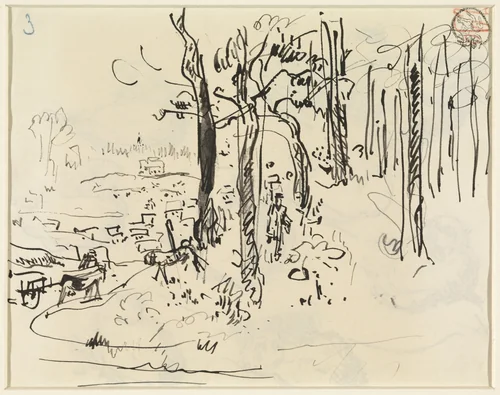
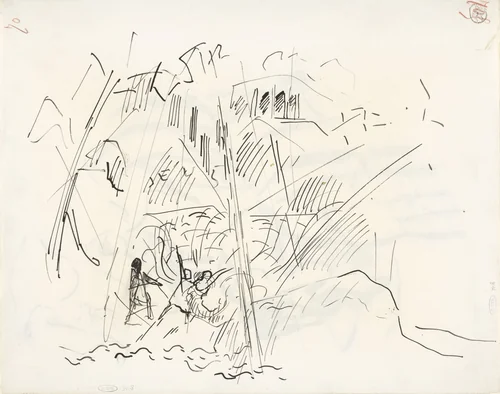
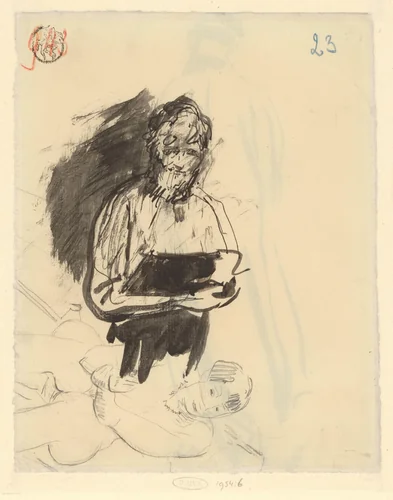
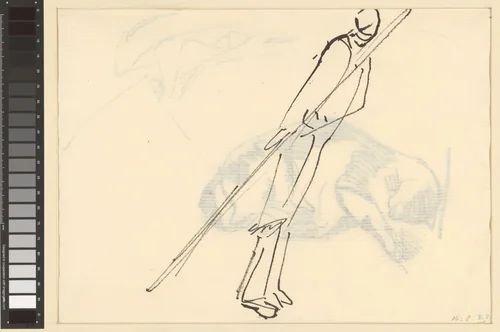
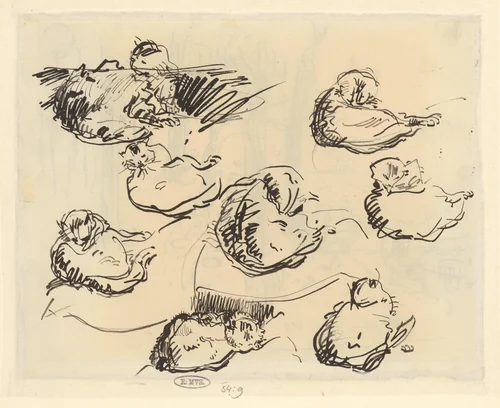
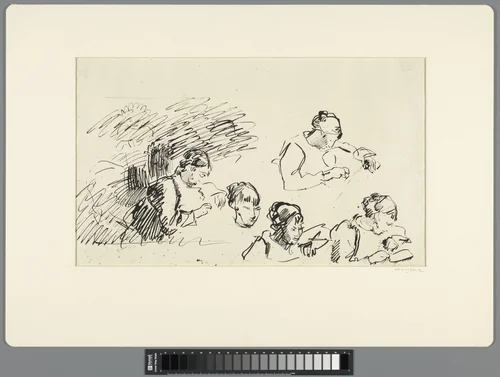
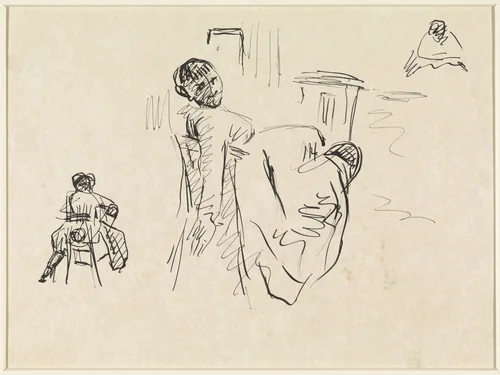
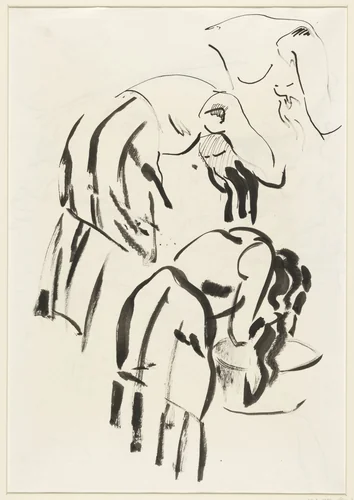
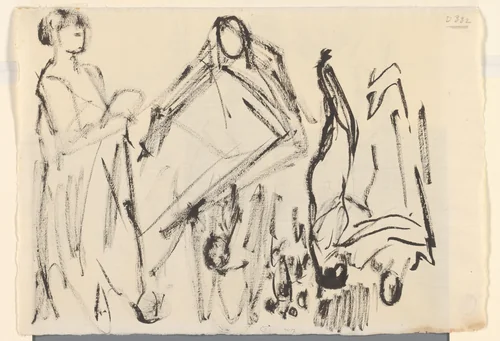
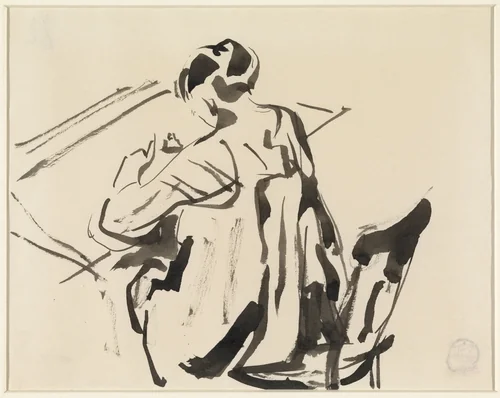
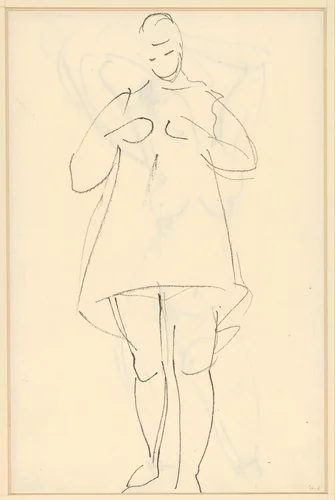
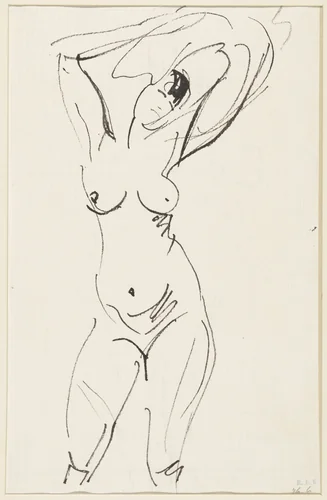
Despite his early passing at the age of 34, Wouters completed an astonishingly comprehensive body of work, generating approximately 200 paintings, drawings, and sculptures. His output often suggests a career twice its actual length, a remarkable feat given the health struggles that defined his final years. Drawings such as the detailed study Hoek van een kamer met tafel en stoel and the more unsettling Leger dat op een lichaam op een weg stuit reveal his technical mastery beyond pure color theory.
Wouters died in 1916 in Amsterdam, having produced a fully developed, mature style before the close of the First World War. His legacy continues to be celebrated internationally, with important works held in major collections, including 15 key drawings within the Rijksmuseum. Today, scholars and collectors can access Rik Wouters paintings and other compositions, often available as high-quality prints. Because many of these foundational modern works are now in the public domain, they constitute widely available downloadable artwork for study and appreciation.
Source: Wikipedia · CC BY-SA 4.0