Richard Yeo
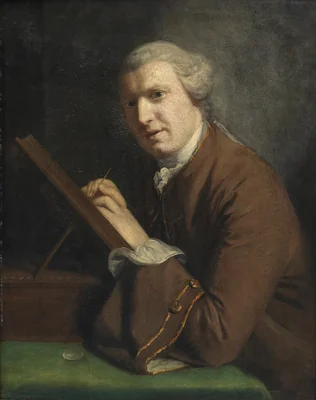
Richard Yeo (active 1750-1777) occupies a distinguished position at the intersection of official state service and institutional art patronage in 18th-century Britain. Recognized primarily as a medalist and engraver, his contributions shaped the visual identity of the British Empire during a critical period of economic expansion.
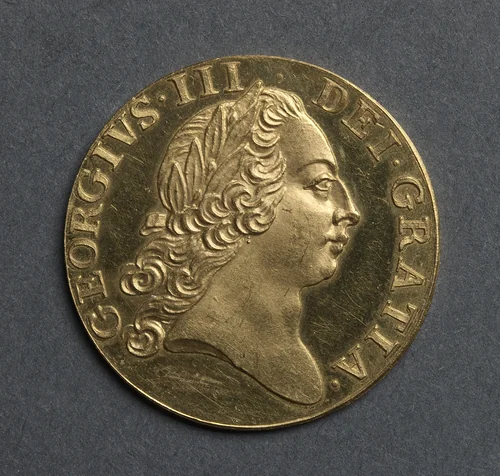
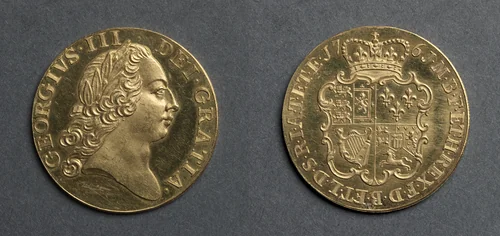
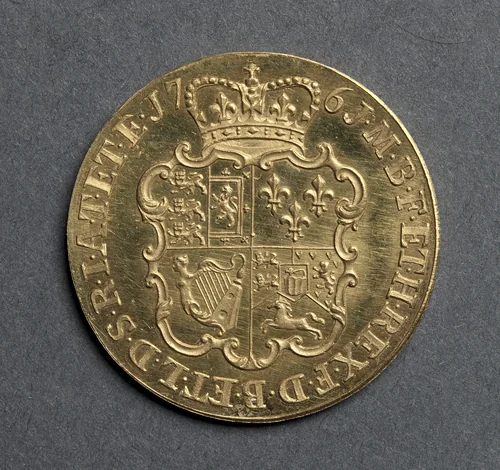
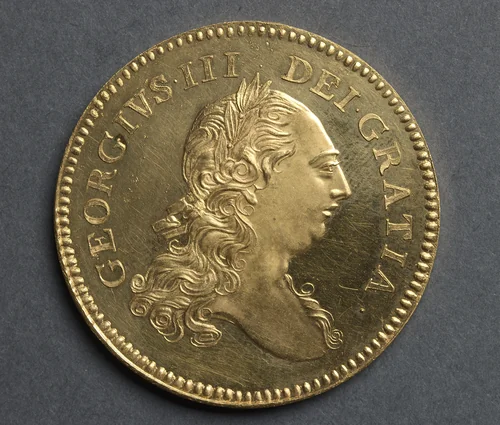
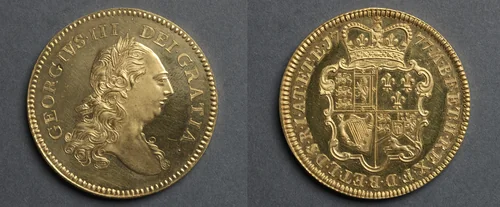
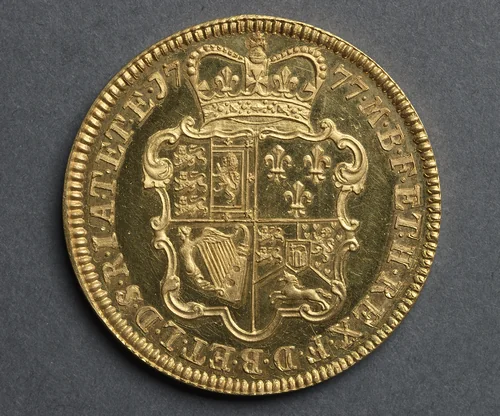
Yeo’s foremost role was that of Chief Engraver at the Royal Mint, a post that required both technical precision and a sophisticated understanding of heraldic and portraiture design. In this official capacity, he was responsible for supplying the definitive patterns for the gold coinage of King George III. His ability to translate large-scale regal portraiture into the miniature format required by currency is evident in his seminal pieces, including the designs for the Guinea and Five Guinea series. Works such as the Guinea: George III (obverse), and the intricate reverse designs featuring the ornate crowned shield of arms, are not merely currency, but museum-quality examples of applied metalwork and neoclassical relief sculpture.
Beyond his institutional duties, Yeo’s standing among his peers was exceptionally high. He was instrumental in the establishment of the Royal Academy of Art in 1768, taking his place among the thirty-six initial founders who sought to elevate the professional status of British artists. This dual career underscores the 18th-century appreciation for skill and exactitude, whether applied to fine portraiture or the practical necessities of the circulating medium.
Yeo's legacy is physically inscribed both on the nation’s currency and within the history of its most revered art institution. While millions of his coin designs circulated widely, ensuring that George III’s likeness was seen by every subject who handled money, Yeo himself is preserved within the inner sanctum of the art world. He is visible, permanently positioned among his peers in John Zoffany’s celebrated group portrait, The Academicians. This enduring inclusion confirms that, for the founding generation of the Royal Academy, the official art of the Mint was considered every bit as vital as the grand canvas.
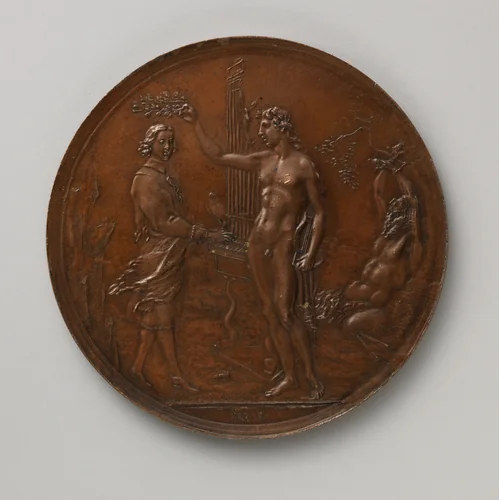
Today, while his original metalworks are highly sought by specialized collections such as the Metropolitan Museum of Art, studies and impressions of his official designs are available as downloadable artwork, ensuring that Yeo’s mastery of the portrait relief technique remains within the public domain for ongoing academic study.
Source: Wikipedia · CC BY-SA 4.0