Richard Seewald
Richard Seewald was an artist primarily active during a concentrated period between 1919 and 1920. His known body of work centers on illustration and graphic arts, contributing to literary periodicals and illustrated books.
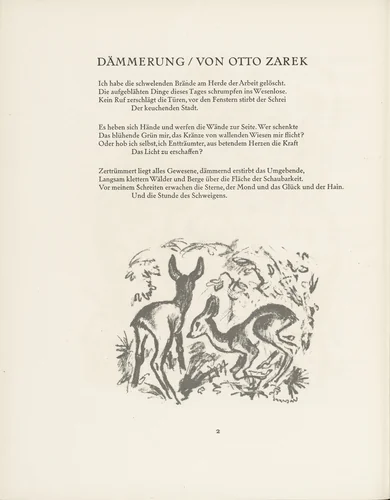
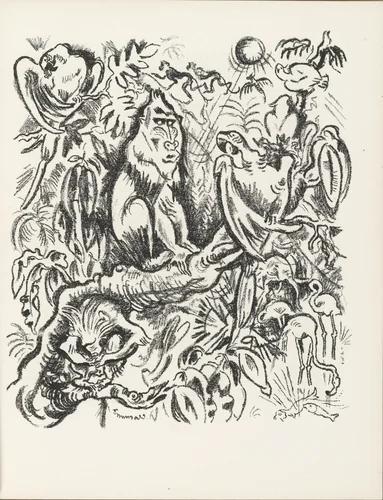
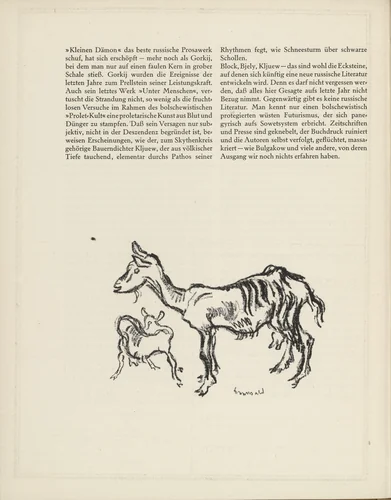
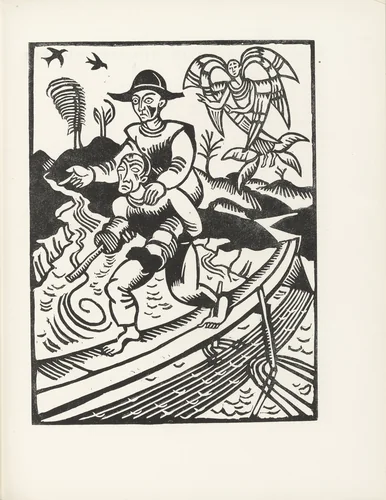
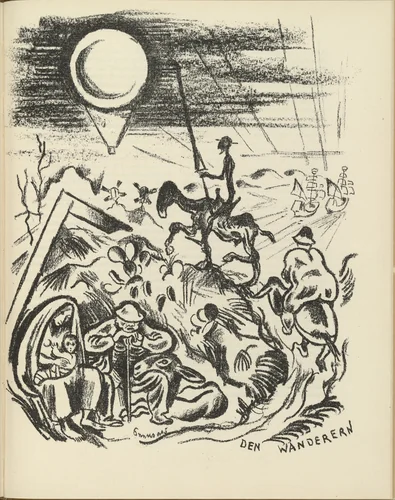
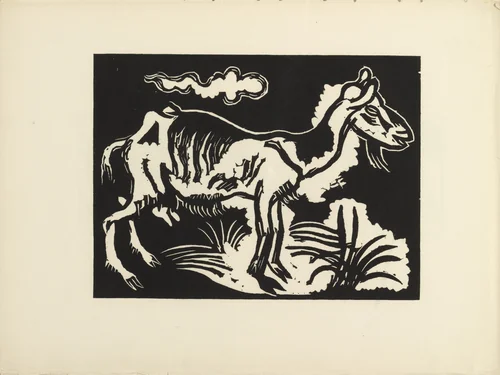
Seewald’s documented contributions include five illustrations published in the periodical Münchner Blätter für Dichtung und Graphik during 1919. These graphic works encompass a range of stylistic approaches, from naturalistic animal studies and tailpieces, such as Deer (Rehzwillinge) and Goats (Ziegen), to detailed plate illustrations featuring landscape and narrative subjects. Notable examples include the atmospheric Dreamed Primeval Forest (Geträumte Urwaldlandscaft) and the figurative composition The Blind Man and the Cripple (Der Blinde und der Lahme). His work To the Wayfarers (Den Wanderern) concluded the volume for the year.
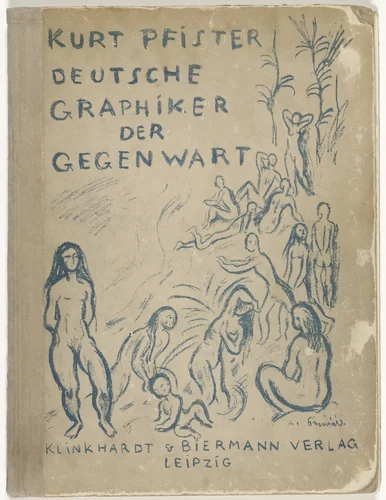
In total, seven examples of his artistic output, encompassing periodical contributions and two illustrated books, are held in major institutional collections, confirming his place in early 20th-century graphic design history. Key works by Seewald are represented in the collection of the Museum of Modern Art (MoMA). Because of the publication dates, many of these illustrations are entering the public domain, making high-quality prints accessible as downloadable artwork for researchers and enthusiasts.