Richard Riemerschmid
Richard Riemerschmid (1868-1957) was a pivotal figure in early German modernism, operating across architecture, painting, urban planning, and applied design. Hailing from Munich, he served as a defining voice of Jugendstil, the sophisticated German iteration of Art Nouveau. Unlike some contemporaries focused purely on surface decoration, Riemerschmid was instrumental in establishing the architectural and structural vocabulary of the style, pushing it toward functional clarity while maintaining aesthetic rigor. He fundamentally believed that design should permeate all aspects of domestic life.
His influence extended beyond individual creation into the institutional framework of modern design. Riemerschmid was a founder member of the Vereinigte Werkstätte für Kunst im Handwerk (United Workshops for Art in Craftsmanship), a seminal effort to revive standards of production. Critically, he was also a co-founder of the Deutscher Werkbund in 1907. This duality defined his philosophical approach: he passionately championed the integrity of Handwerk, or craftsmanship, yet recognized the necessity of machine production to furnish modern society. His goal was not merely to decorate objects, but to fuse artistic intention with industrial method, ensuring that thoughtfully designed, museum-quality items could be produced efficiently for the general public.
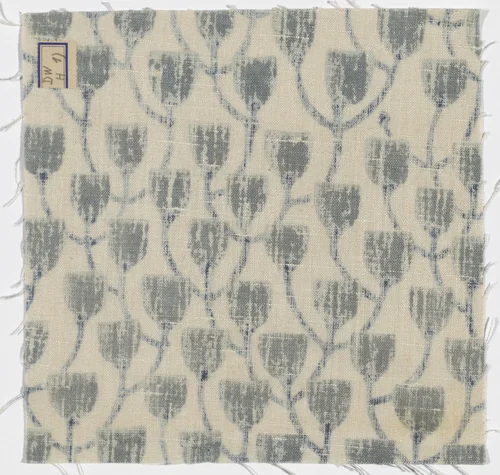
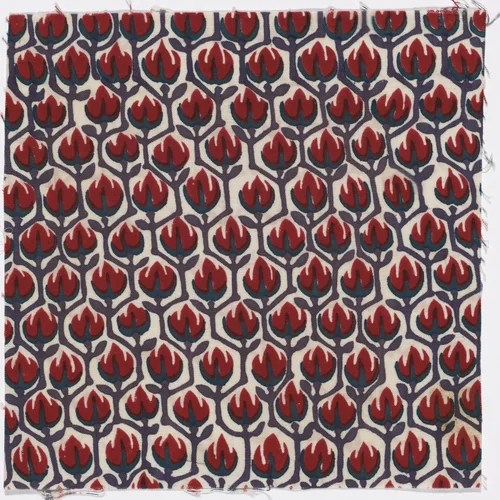
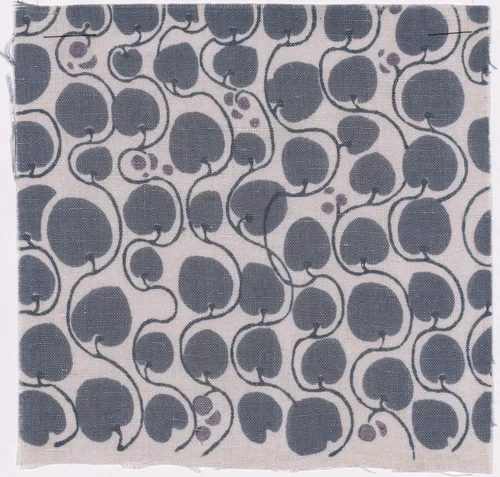
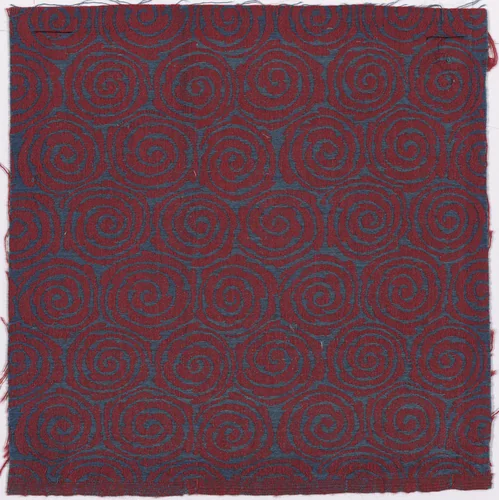
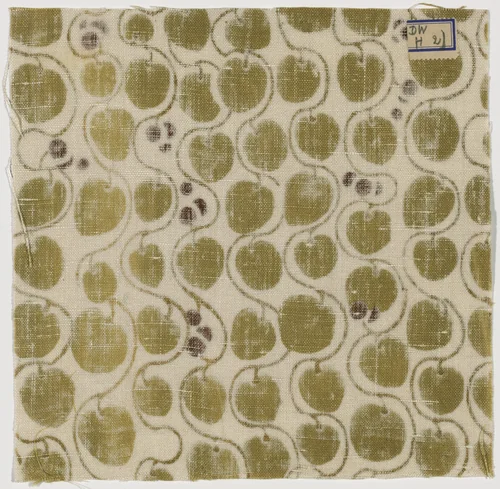
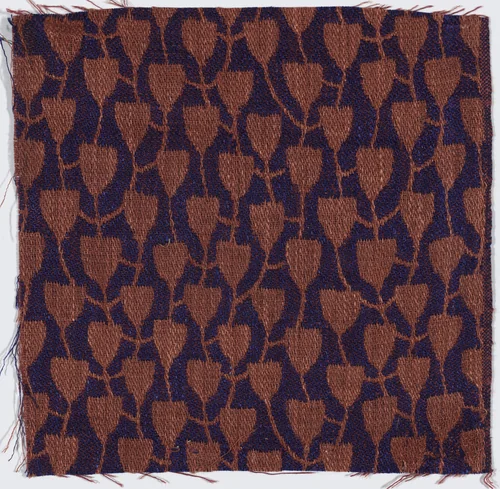
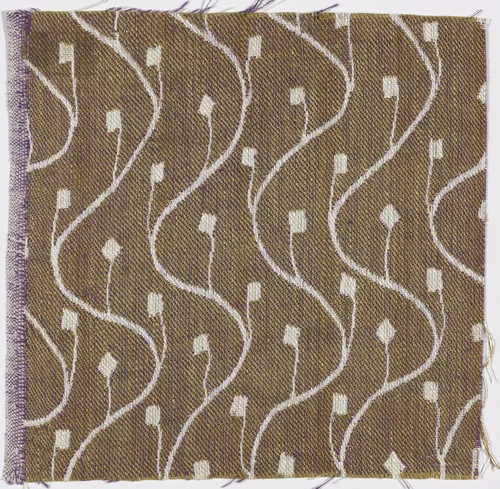
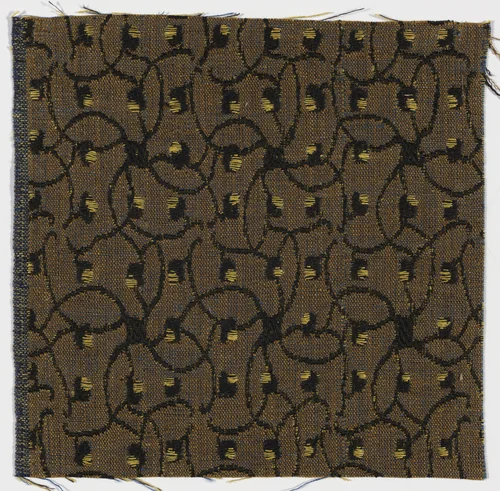
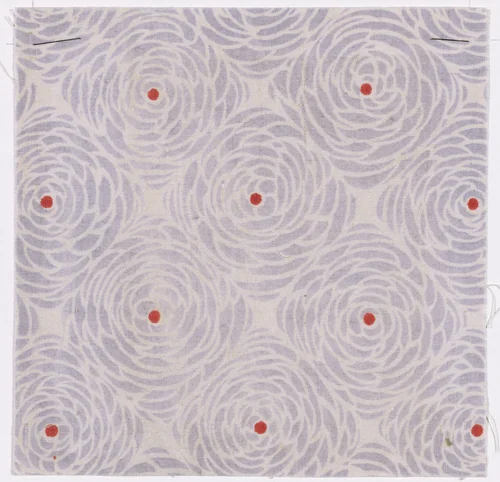
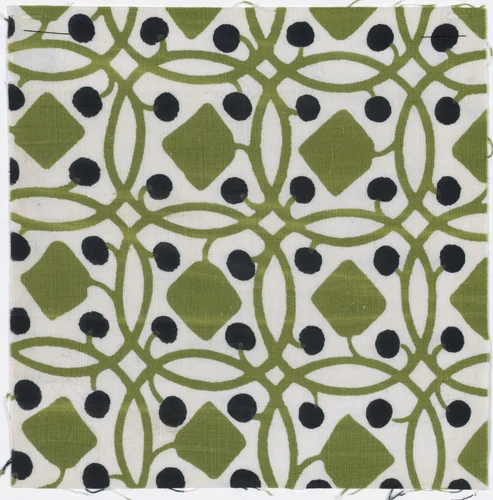
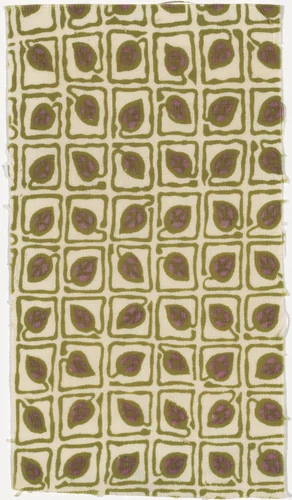
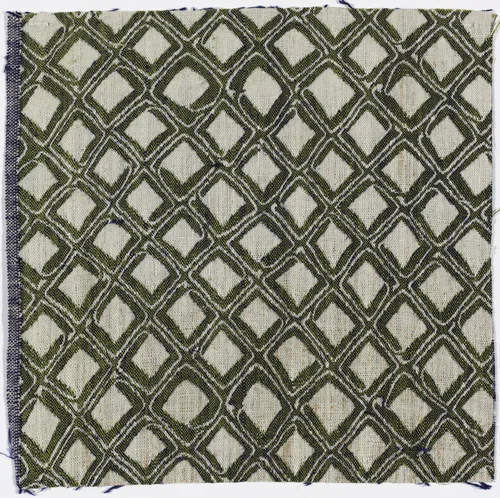
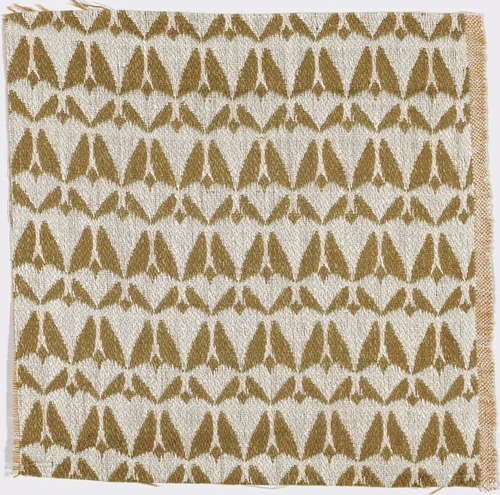
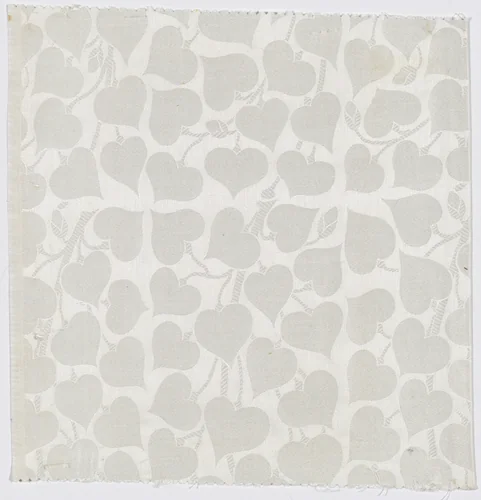
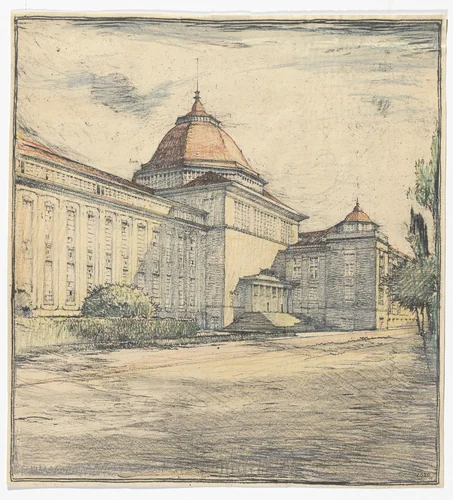
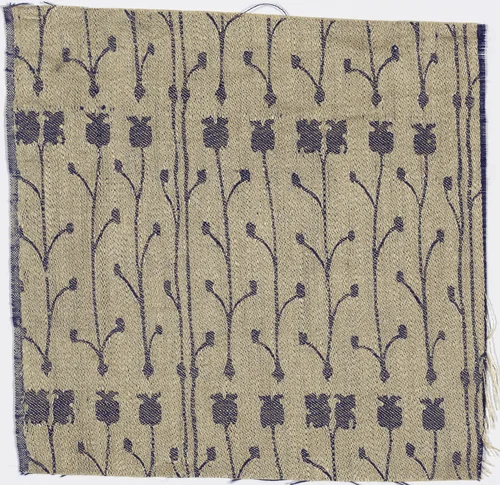
Riemerschmid held influential directorships at key art and design institutions in both Munich and Cologne, setting the pedagogical standard for the next generation of designers. His practical application of this philosophy is evident in the surviving body of his domestic designs, including his notable Drapery Fabric and Furnishing Fabric patterns, 15 of which are documented as active between 1905 and 1908, with examples held in collections like the Museum of Modern Art. It is perhaps a quiet irony that this influential city planner and institutional director's most immediate and lasting impact remains in the accessible, high-quality prints and textiles he designed to simply make domestic life more beautiful. Many of these important early 20th-century Richard Riemerschmid prints are now available via public domain archives, allowing ongoing study of his elegant, functional modernism.
Source: Wikipedia · CC BY-SA 4.0