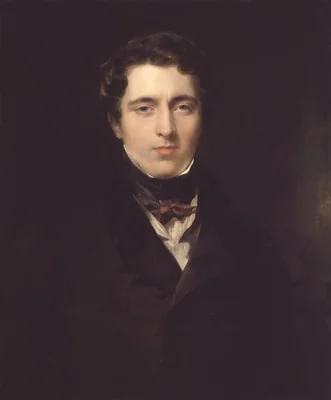
Richard Parkes Bonington
Richard Parkes Bonington (1800-1822) stands as a fascinating bridge figure in early 19th-century art history, a celebrated English Romantic landscape painter who spent the majority of his formative years in France. Moving across the Channel at age fourteen, his career became a unique synthesis, effectively introducing aspects of English technique and plein air observation into the contemporary Parisian scene. Despite an exceptionally brief career that concluded before he reached his twenty-sixth birthday, Bonington's impact proved profound, elevating him to one of the most influential British artists of his time and helping to shape the generation that followed, both in Paris and London.
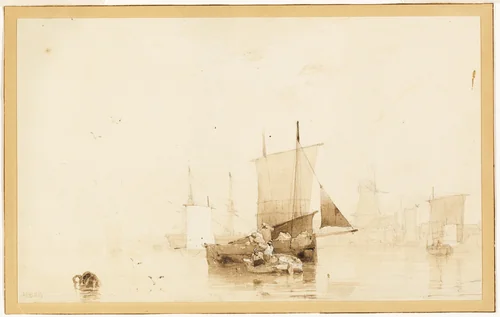
Bonington’s aesthetic output, though small, reveals an astounding technical maturity. His landscapes, often focusing on coastal vistas such as Honfleur and Landscape with Castle Ruin, characteristically employ a low horizon, allowing the expansive sky to dominate the composition. This framework provided the stage for his brilliant handling of light and atmosphere, demonstrating a facility inspired by the Old Masters but entirely modern in its application. Furthermore, he distinguished himself in the creation of small historical cabinet paintings. Executed in a fluid and freely-handled iteration of the popular Troubadour Style, these works, exemplified by Francis I and the Duchess d'Étampes, showed his command of intimate narrative. His ability to shift seamlessly between grand atmospheric landscape and detailed historical painting is a marker of his versatile genius.
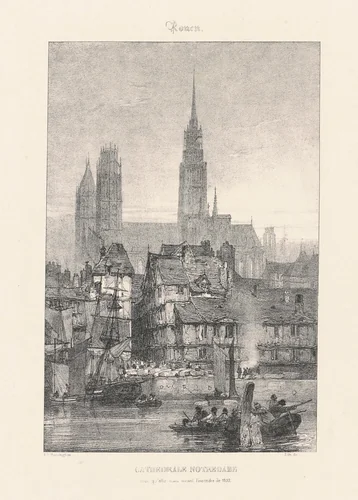
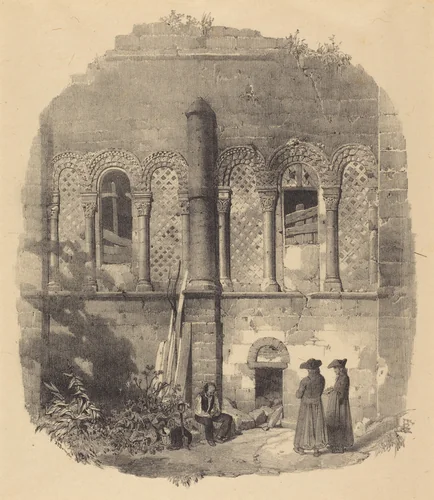
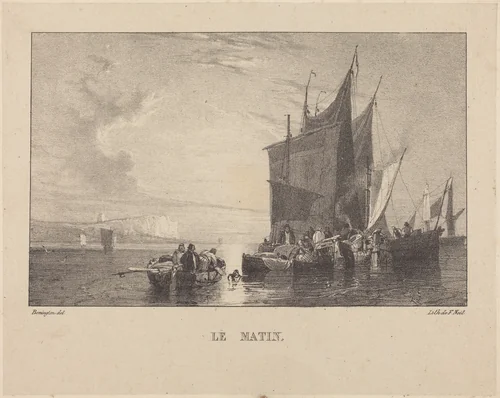
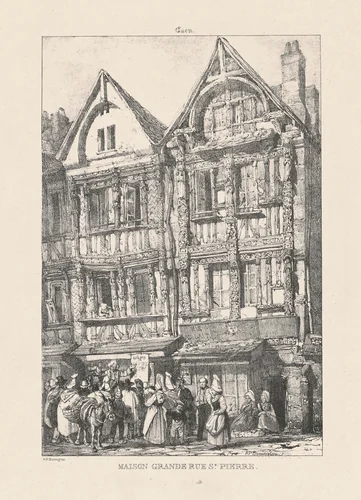
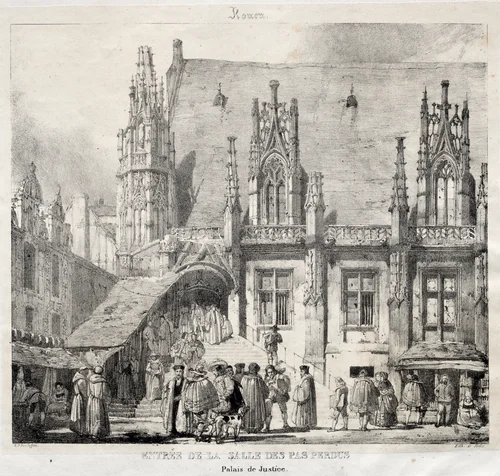
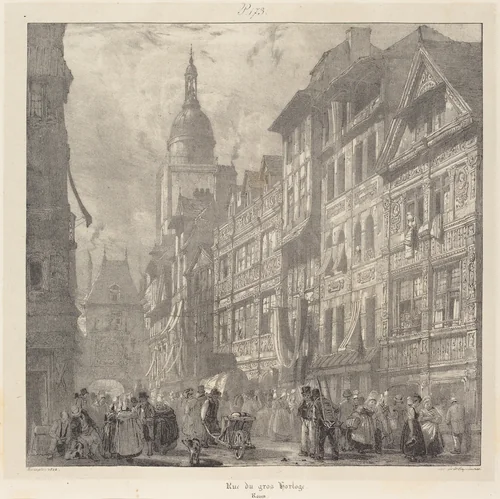
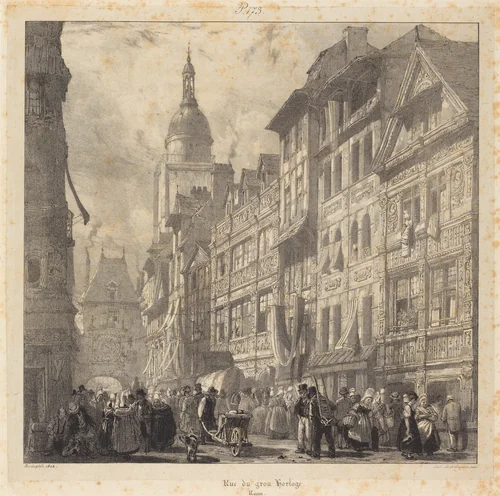
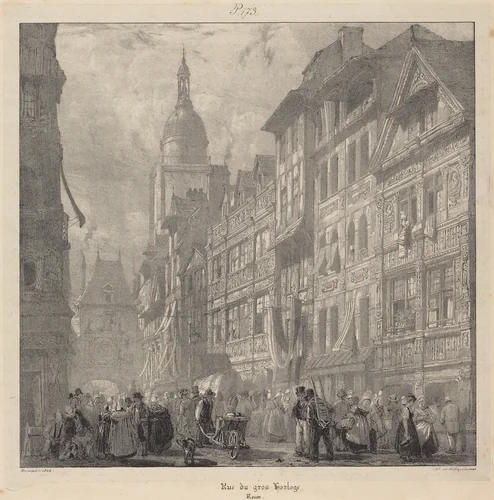
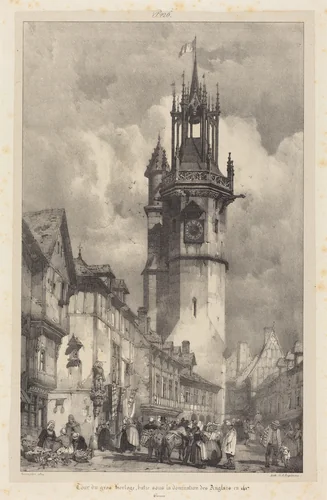
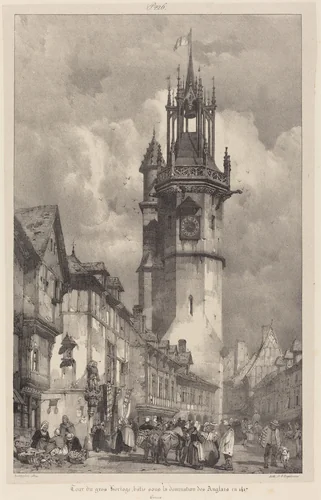
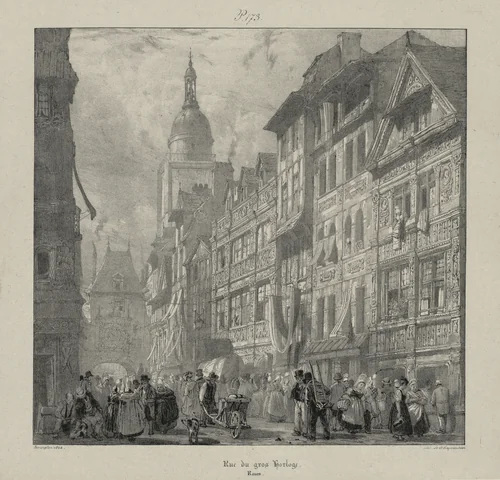
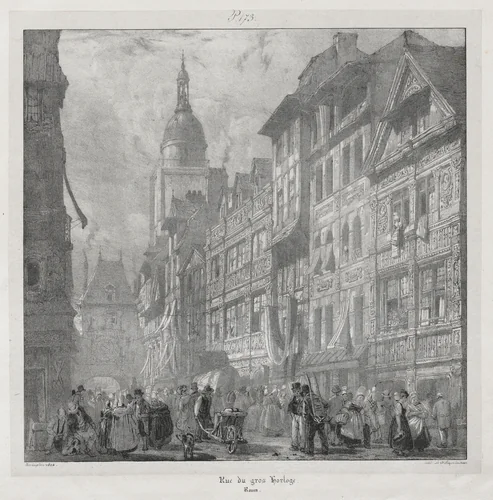
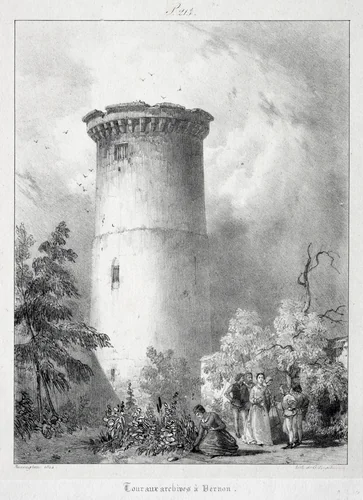
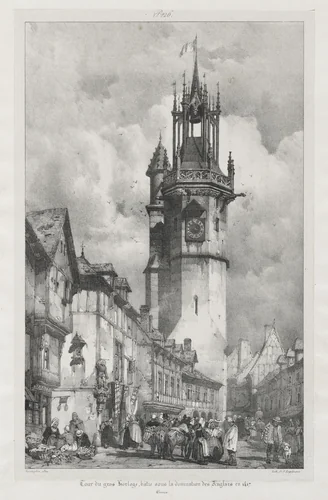
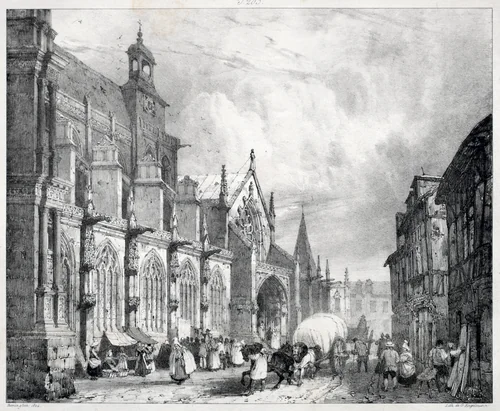
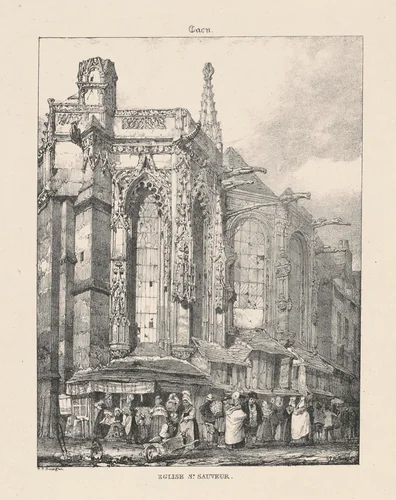
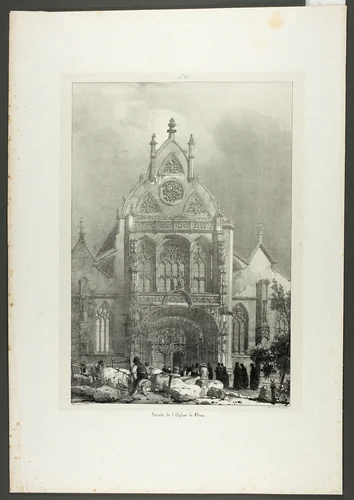
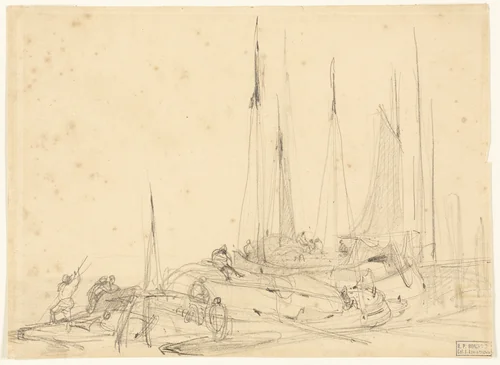
The lasting authority of Bonington’s vision is confirmed by the significant holdings in major institutions, including the Metropolitan Museum of Art, the National Gallery of Art, and the Cleveland Museum of Art, which together house a collection spanning his 8 drawings, 4 prints, and 3 known paintings. Considering the short period in which he was active, it is remarkable not only how much he accomplished but how consistently high the quality remained; even his preparatory studies, such as the recto-verso Portrait of a Young Man (recto); Sketch of a Venus (verso), possess a finished, museum-quality refinement. Richard Parkes Bonington prints and paintings cemented his role as a foundational, yet tragically short-lived, pioneer of visual modernity. For contemporary scholars and collectors, the accessibility of his work is enhanced by its status in the public domain, making high-quality prints and downloadable artwork widely available for study.
Source: Wikipedia · CC BY-SA 4.0