Richard Morris Hunt
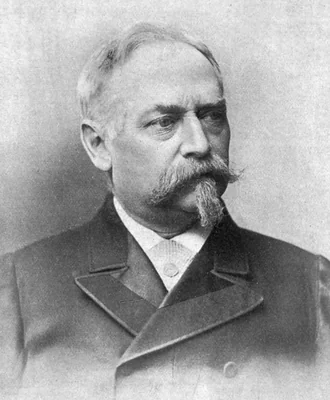
Richard Morris Hunt stands as one of the most eminent figures in the history of nineteenth-century American architecture. His designs were instrumental in shaping the civic and private face of late Gilded Age society, establishing standards for monumental scale and academic refinement in the United States. A pioneer in formal training, Hunt brought a deep knowledge of Beaux-Arts classicism back from Europe, translating French grandeur into the booming American metropolis.
Hunt’s most enduring public legacy defines institutional New York. He is responsible for the foundational structure supporting one of the world’s most recognizable symbols, designing the pedestal for the Statue of Liberty. His mastery of classical composition is perhaps best demonstrated by his redesign of the Metropolitan Museum of Art’s Fifth Avenue edifice, specifically the imposing 1902 entrance façade and the subsequent magnificent Great Hall.
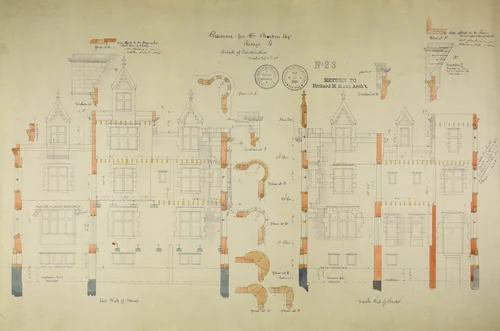
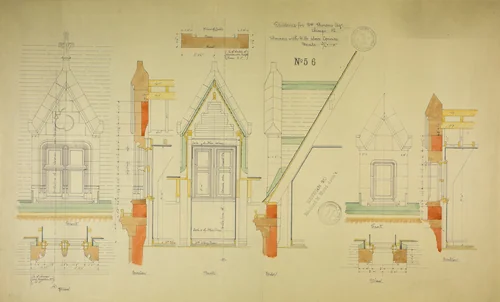
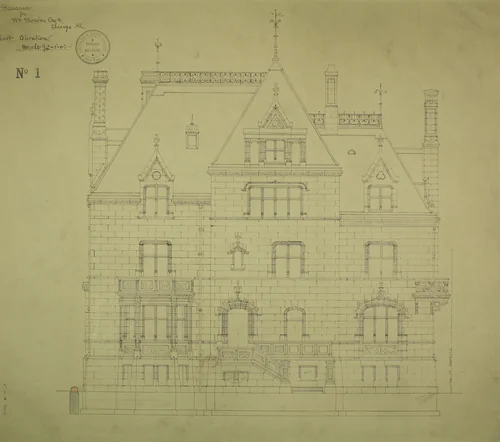
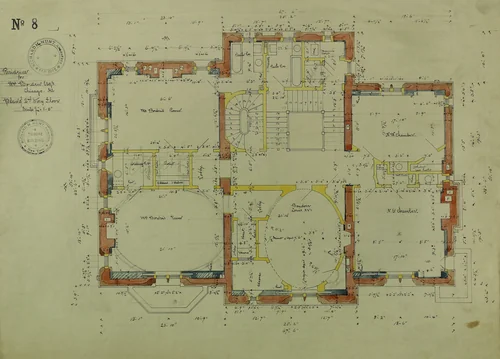
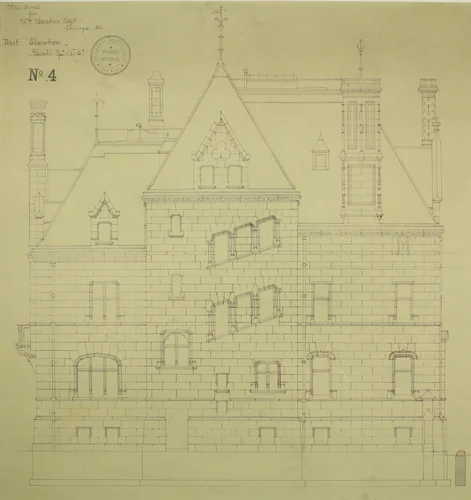
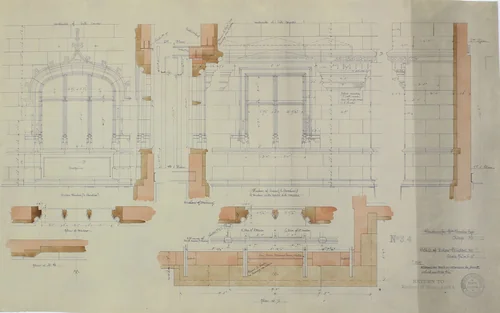
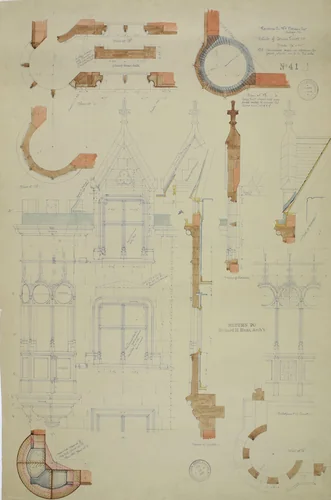
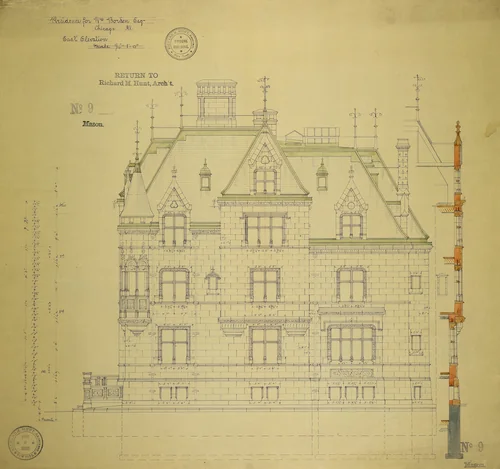
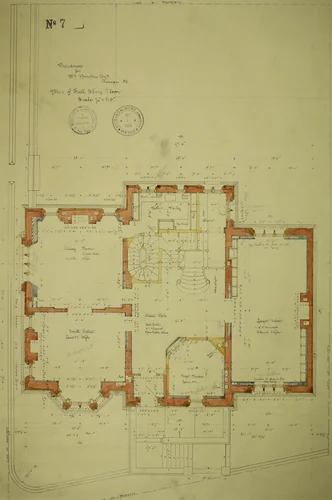
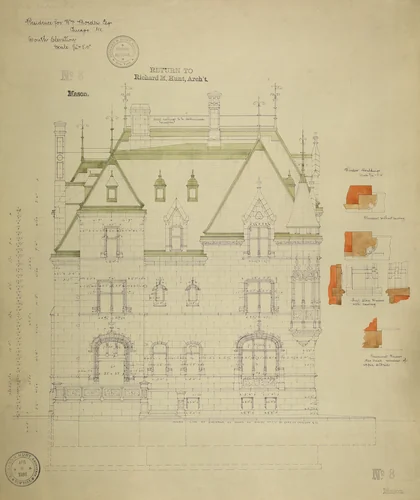
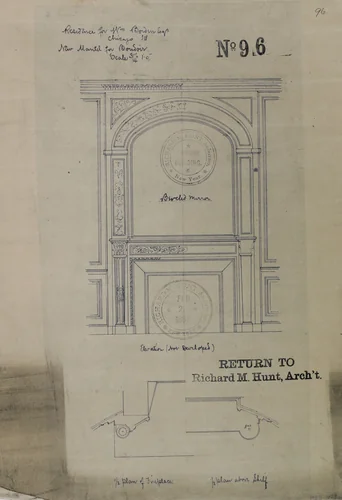
Beyond civic structures, Hunt was the architect of choice for the era’s titans of industry, crafting numerous magnificent Fifth Avenue mansions that solidified the aristocratic ambition of the age. Though many of these residential masterpieces have been tragically cleared for commercial development, the exhaustive nature of Hunt’s practice is preserved in surviving technical documents. This meticulous approach is evident in archival materials dating to the mid-1880s, such as the numerous construction drawings, elevations, and detailed plans for the William Borden Residence in Chicago (active 1885-1887).
These technical works, which detail everything from dormer designs to second-story plans, are held in prestigious collections, including the Art Institute of Chicago. Often categorized as downloadable artwork and available in the public domain, these precise schematics showcase Hunt’s strict adherence to exact construction requirements. His commitment to bringing European academic rigor to the States ensured that his structures, whether temporary palaces for millionaires or permanent civic landmarks, established the visual vocabulary for America’s attempt at imperial architecture. Today, researchers frequently seek high-quality prints of his detailed architectural drawings for study and historical documentation.
Source: Wikipedia · CC BY-SA 4.0