Richard Livesay
Richard Livesay (1750–1826) was a versatile British artist primarily known for his work in portraiture, landscape painting, and engraving. Active during the last decades of the eighteenth century, primarily between 1781 and 1794, his artistic output provides a visual record of Georgian society and literary culture, particularly through his detailed prints.
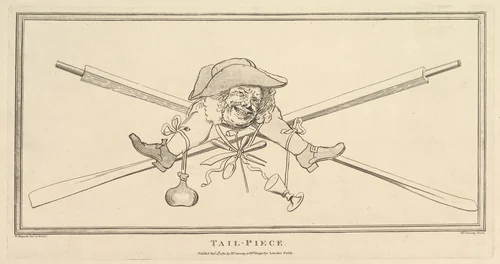
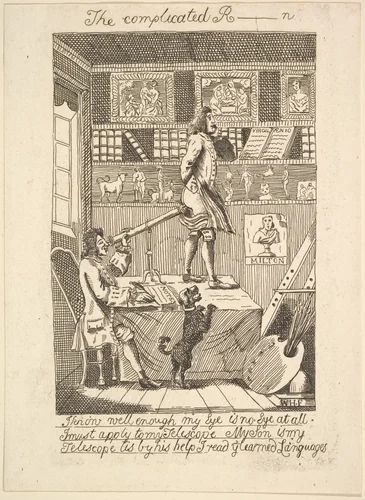
Livesay navigated a complex artistic market, excelling both in the traditional craft of oil painting and the rapidly expanding field of reproductive engraving. While his catalogue of Richard Livesay paintings is highly valued, his lasting influence is often assessed through his work as a printmaker. He produced a focused but impactful body of engraved work, with approximately fifteen known prints currently documented, held in major international collections, including the Metropolitan Museum of Art. These prints often served as frontispieces, tail-pieces, or detailed illustrations, demonstrating an ability to capture satirical and intimate vignettes with economical line work.
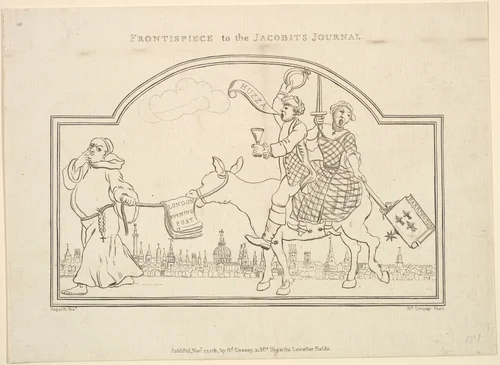
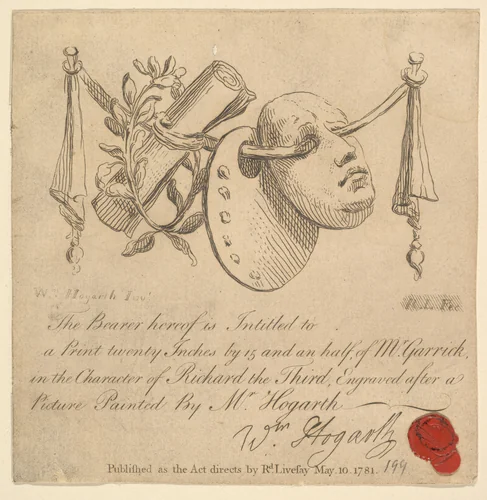
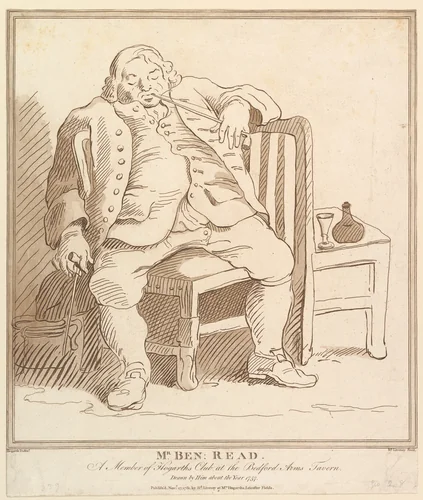
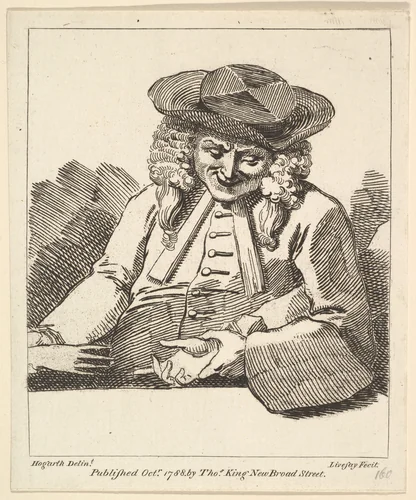
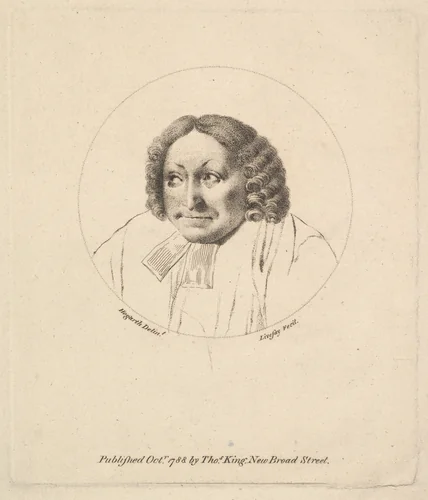
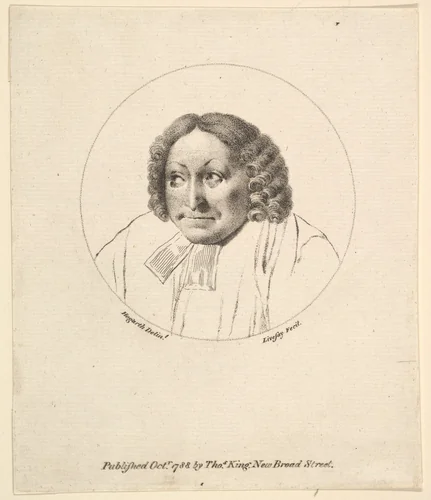
His compositions frequently intersected with the era's contentious political and artistic dialogue. The engraving Frontispiece to "The Jacobite's Journal" speaks directly to the political commentary of the time, while the playful study Mask and Palette offers a visual commentary on the duality of artistic representation itself. Perhaps the most historically resonant work is the portrait Mr. Ben: Read, A Member of Hogarth's Club at the Bedford Arms Tavern, Drawn by him about the Year 1757. This image is a crucial piece of visual history, preserving the likeness of an individual firmly established in the social milieu of William Hogarth and the foundational era of British satirical art.
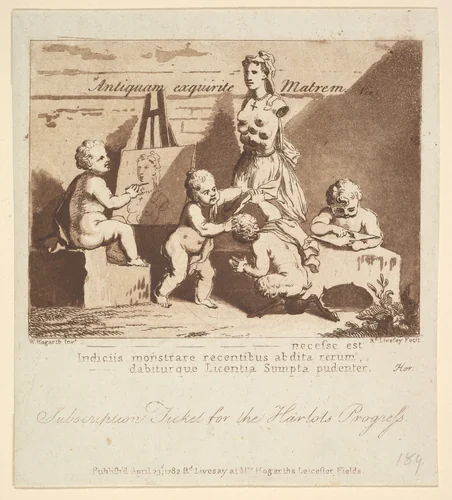
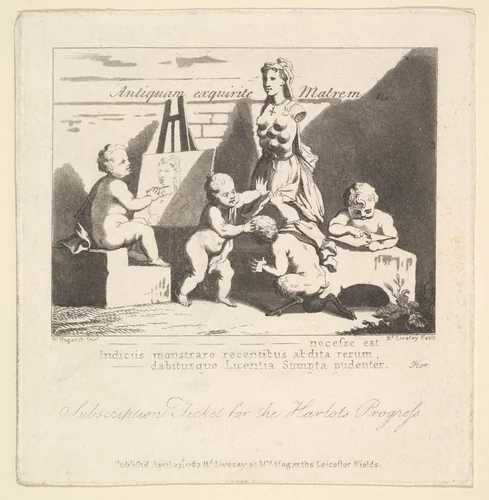
Livesay exhibited a particular charm in his observations of common life, evident in works such as Boys Peeping at Nature. Unlike many of his contemporaries who focused exclusively on grand narratives or elevated patrons, Livesay possessed an understated dedication to the smaller, less formal human moments. This affinity for the daily spectacle gives his scenes an immediate, recognizable quality. His capacity to observe the dynamics of private conversation, club life, and youthful curiosity marks him as a keen chronicler of late 18th-century manners.
Livesay’s precise draughtsmanship ensured the wide dissemination of his imagery throughout the late 18th century. Today, his surviving oeuvre continues to be studied for its technical skill and historical richness. Many of these important Richard Livesay prints are now accessible as downloadable artwork through major institutional digitization programs, ensuring that this segment of British visual history remains globally available as high-quality prints.
Source: Wikipedia · CC BY-SA 4.0