Richard Cosway
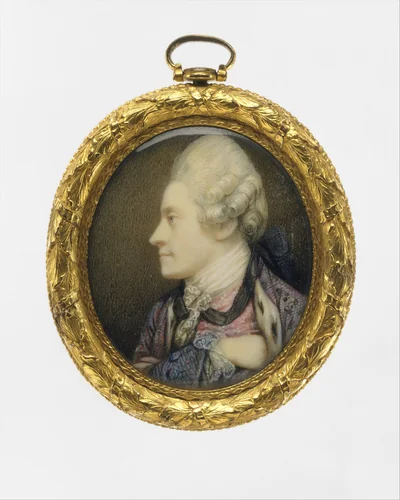
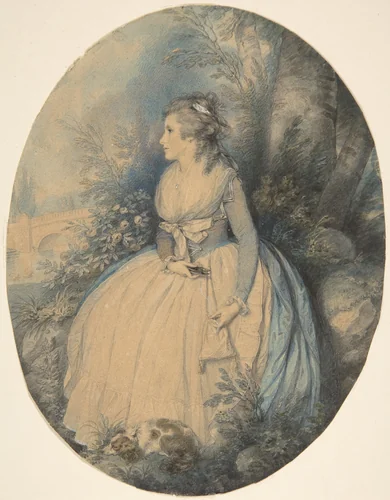
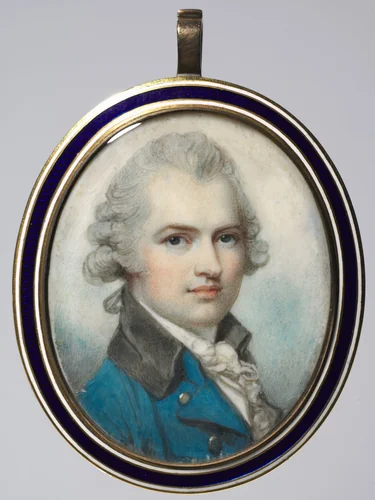
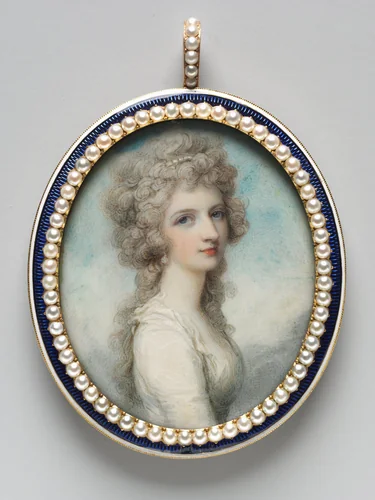
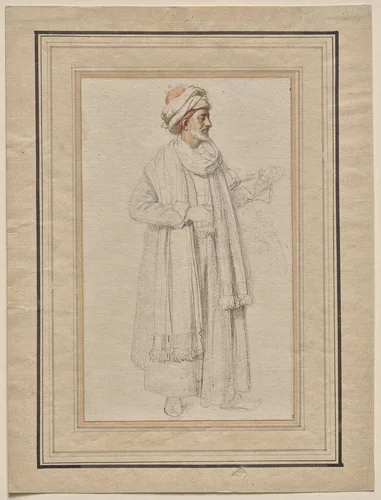
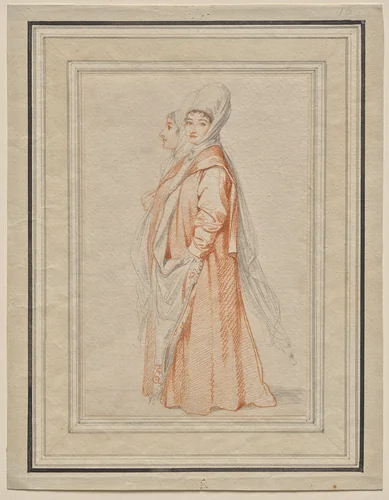
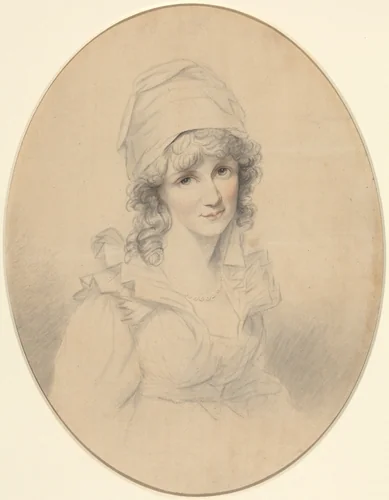
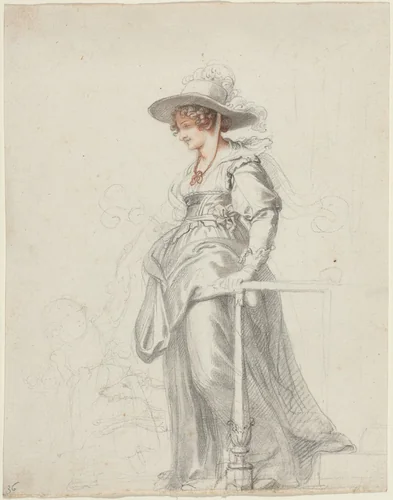
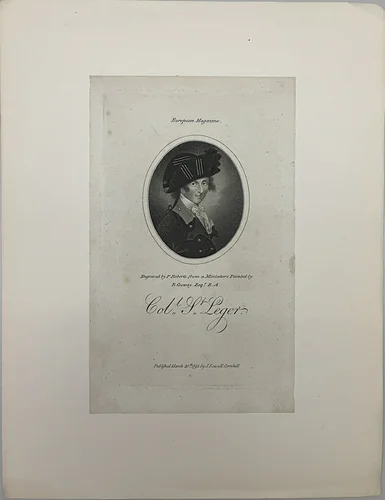
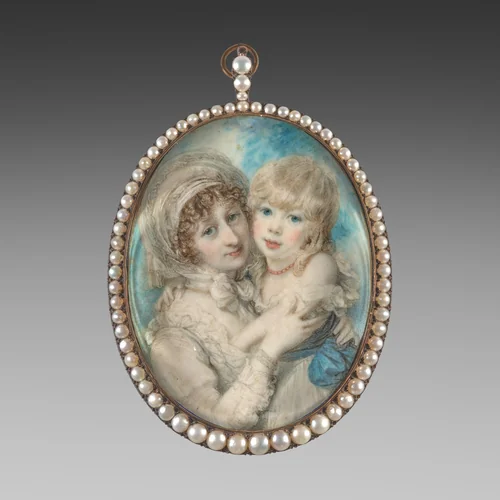
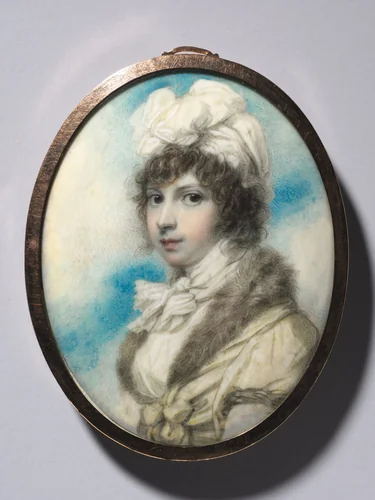
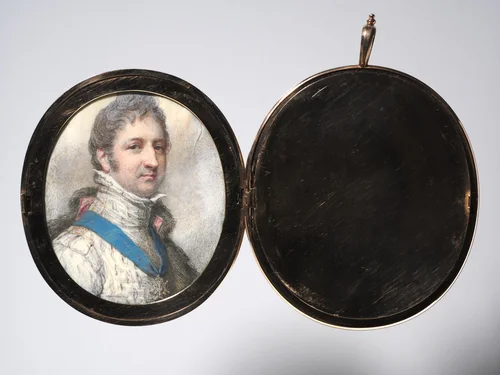
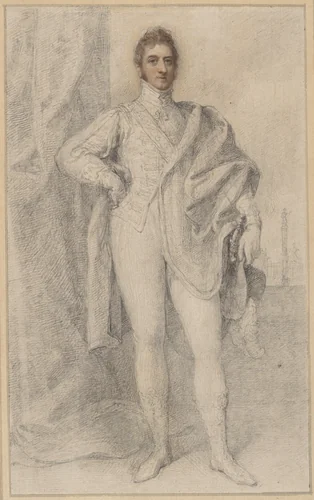
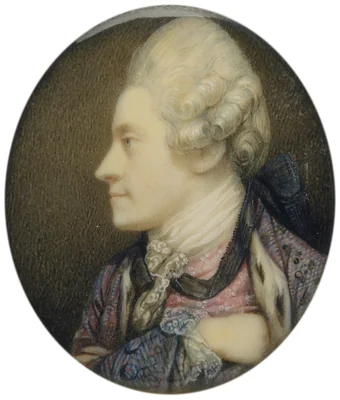
Richard Cosway (1742-1821) was the dominant portrait painter of England’s Georgian and Regency eras, earning particular and lasting renown as the pre-eminent miniaturist of his age. Active from the 1760s through the 1790s, he successfully defined the aesthetic standard for high-society portraiture on ivory, providing an intimate counterpoint to the grand canvases favored by his contemporaries. Cosway’s works, whether his delicate Self-Portrait or elegant likenesses such as Marianne Dorothy Harland (1759–1785), Later Mrs. William Dalrymple, are marked by a luminous quality that secured his position as the principal favorite of the Prince of Wales, later George IV.
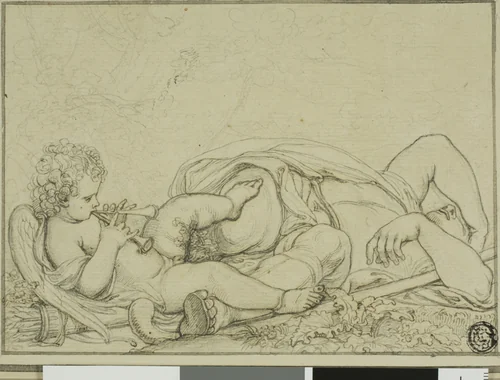
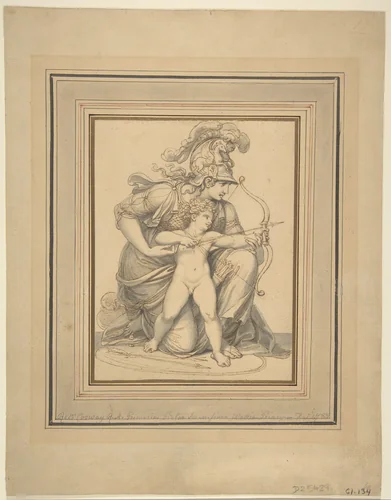
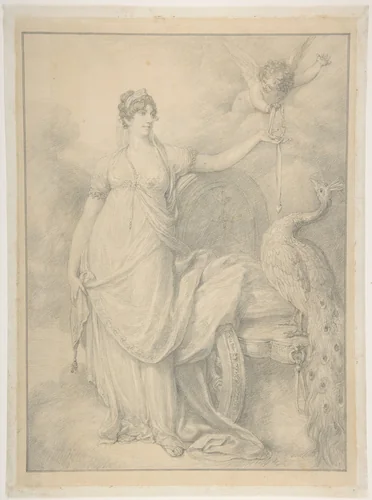
Cosway elevated the miniature from mere craft to high art, utilizing a technique characterized by precise draftsmanship, subtle coloring, and a flattering sense of aristocratic grace. Unlike the grounded realism of fellow miniaturists such as John Smart or Richard Crosse, Cosway preferred a light, sometimes ethereal presentation, granting his sitters a pervasive romanticism that appealed directly to the fashionable elite. This sophisticated style is also evident in his occasional mythological compositions, like the charming Cupid Playing Flute and Sleeping Shepherd. This demand for portability and intimacy helped define the market for Richard Cosway paintings during the height of his career.
Beyond the studio, Cosway’s personal life was richly layered and eccentric, marked by significant intellectual and social connections. He shared common ground, both as a fellow Freemason and a follower of the mystical Swedenborgian philosophy, with the visionary artist William Blake and the colorful diplomat Chevalier d'Éon. His marriage to the accomplished Italian painter Maria Cosway solidified their position at the nexus of European cultural exchange; Maria was notably a close friend and correspondent of Thomas Jefferson. It is often observed that Cosway, though slight in stature, maintained a highly theatrical public persona that perfectly mirrored the manufactured extravagance of his royal and aristocratic patrons.
Cosway’s influence persisted long after the Georgian era waned, cementing his historical importance in British portraiture. His legacy is maintained today in major institutions worldwide, including the National Gallery of Art, the Metropolitan Museum of Art, and the Art Institute of Chicago, where portraits like Mrs. Robinson as Perdita are preserved as museum-quality examples of late 18th-century technique. Researchers and enthusiasts can study high-quality prints of his work, much of which is available as downloadable artwork, ensuring that the elegant precision of Richard Cosway prints remains accessible to a global audience.
Source: Wikipedia · CC BY-SA 4.0