Richard Cooper II
Richard Cooper II (active 1771-1774) holds a definitive, if brief, place among the generation of British draftsmen who sought inspiration directly from the antique landscapes of Italy. His artistic career, concentrated across just three years, represents a dedicated phase of topographical drawing, primarily focused on the architecture and ruins of Rome.
Born into an artistic lineage, Cooper was the son of Richard Cooper senior (1701-1764), a notable engraver and drawing master, and Anne Lind. This early exposure to the mechanics of printmaking and visual representation likely prepared him for the exacting work of rendering classical antiquity he undertook during the 1770s. While details concerning the end of his career are sparse, the surviving output documents a decisive commitment to recording the required sites of the fashionable Grand Tour.
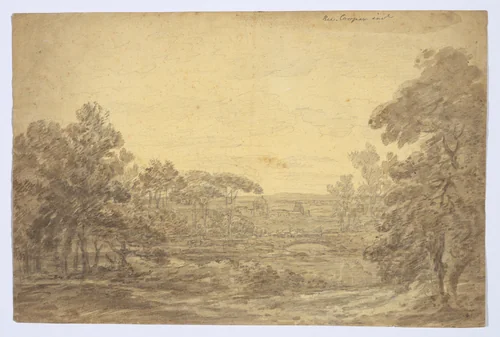
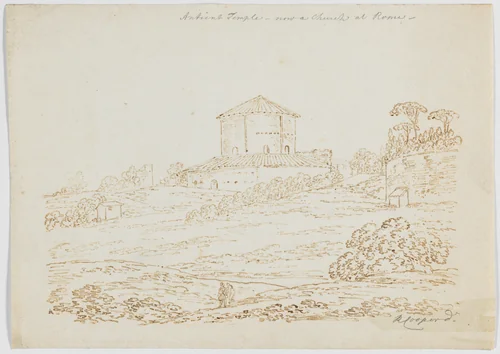
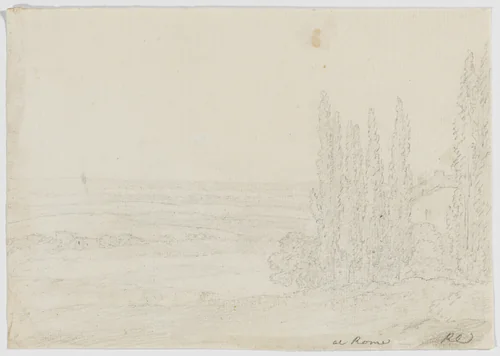
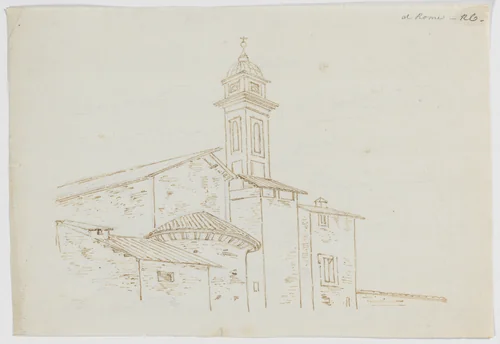
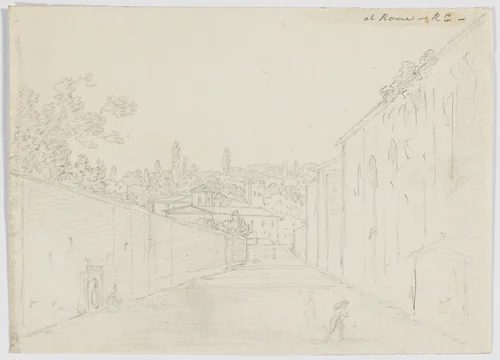
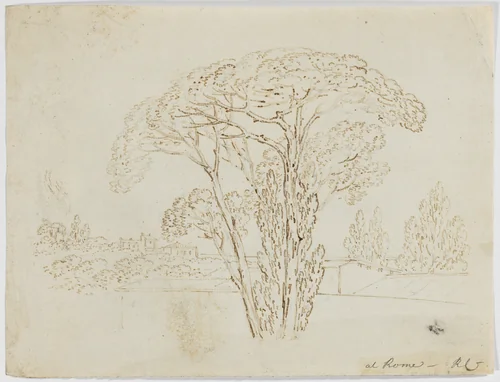
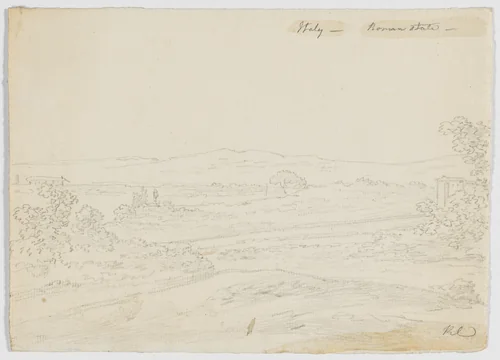
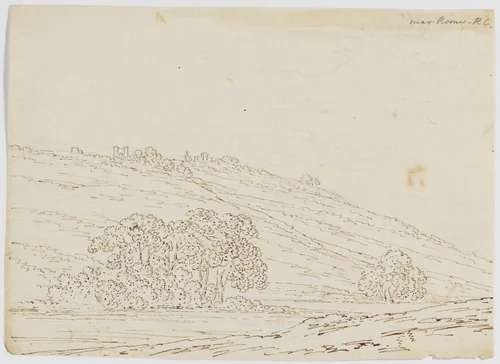
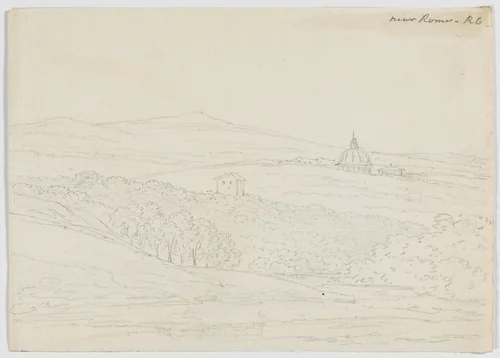
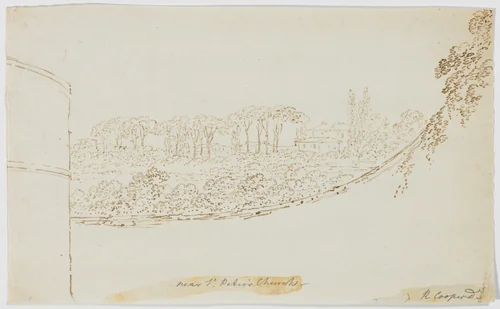
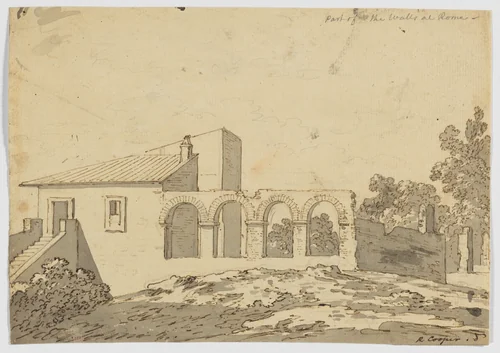
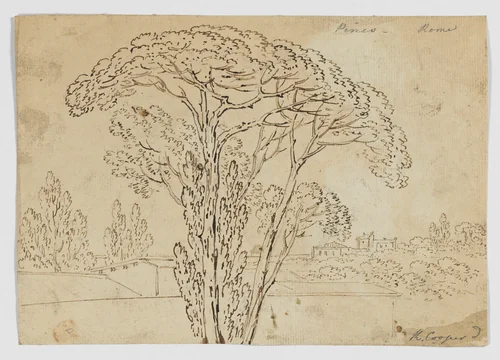
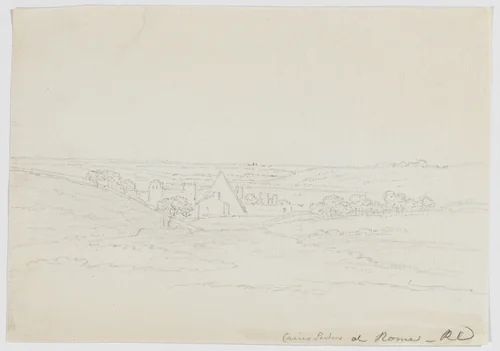
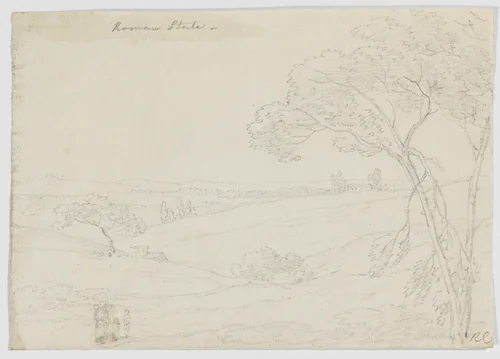
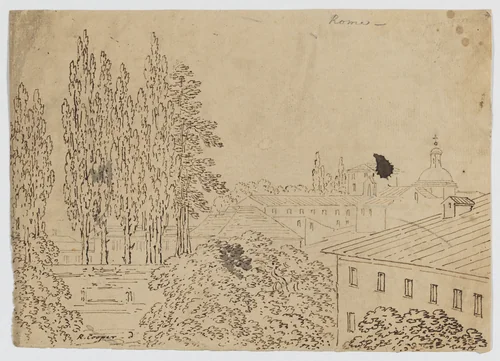
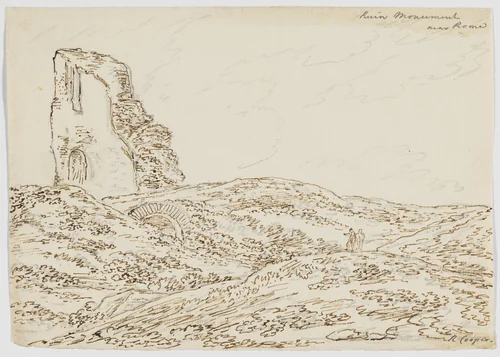
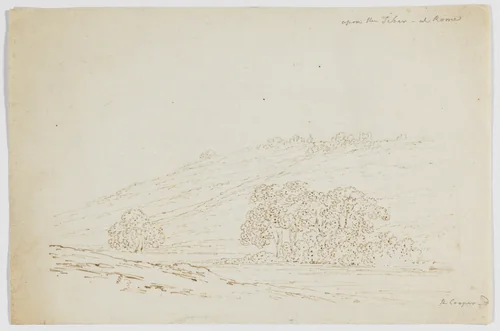
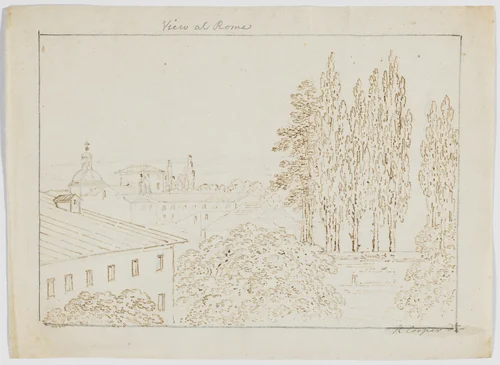
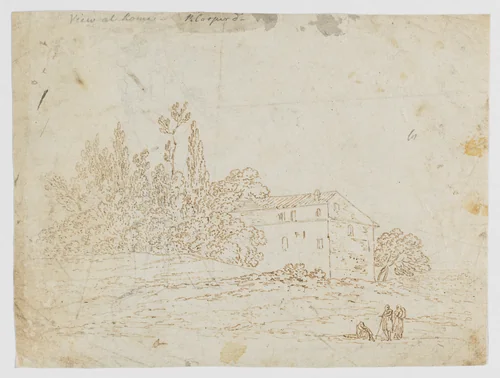
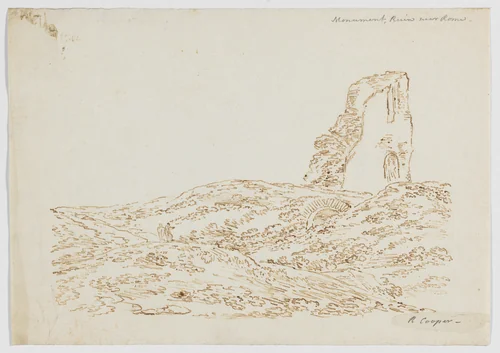
Cooper’s surviving body of work, consisting of approximately fifteen known drawings, showcases a meticulous hand and a specific interest in integrating ancient monuments with their contemporary surroundings. The scope of his travels is clearly delineated through titles such as Italian Landscape and, most tellingly, a series of works dedicated to the Eternal City, including Ancient Temple – now a Church, at Rome. His cataloging often favored directness over poetry, evidenced by the repeated, almost administrative titles applied to three distinct pieces simply marked At Rome, perhaps indicating a rapid production schedule intended for British patrons eager for accurate visual souvenirs.
The intensity of his focus on the capital of classical learning ensured his works found their way into major institutional holdings, notably the Metropolitan Museum of Art, guaranteeing them museum-quality provenance. These surviving drawings provide crucial insight into the late Neoclassical taste for detailed veduta. As much of his work resides within the public domain, those interested in this highly specific period of 18th-century travel art can easily study his technique.
While few Richard Cooper II prints were widely circulated during his active period, his concise mastery of pencil and wash drawing ensures his place among the numerous, often understated, artists who documented the transition of Roman ruins from ancient history into contemporary life. The availability of downloadable artwork derived from these primary sources allows his clear, factual vision of 18th-century Rome to endure, maintaining the legacy of an artist who knew precisely what he wanted to draw, and where.
Source: Wikipedia · CC BY-SA 4.0