Richard Barnett
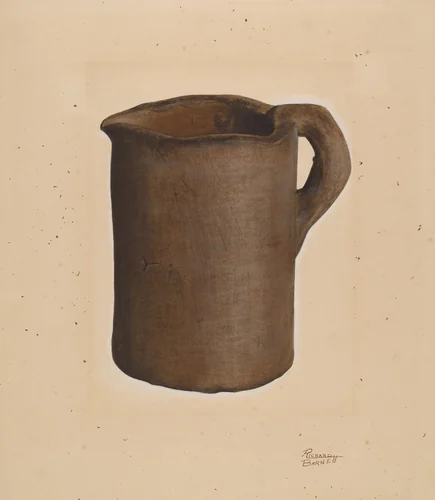
Richard Barnett’s contribution to American visual culture is indelibly linked to his tenure within the Index of American Design (IAD), a major component of the Federal Art Project operational between 1935 and 1938. This federally funded initiative sought to create a comprehensive pictorial record of historic American decorative and folk arts, capturing objects that spanned from colonial utility to 19th-century craft before they were lost or dispersed.
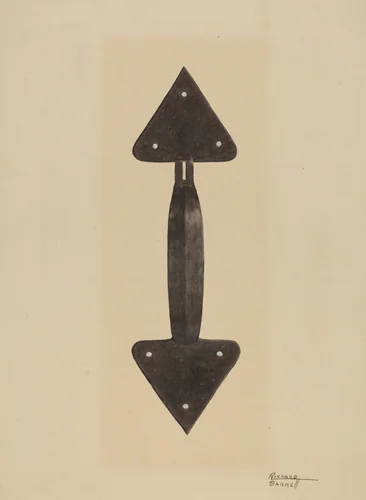
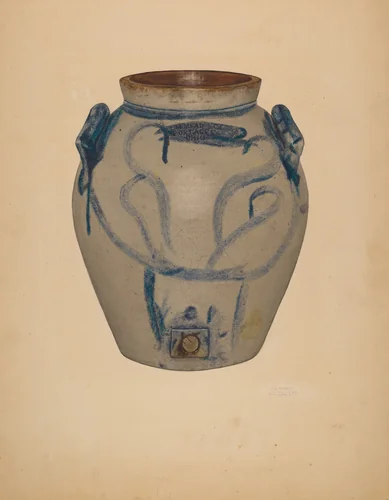
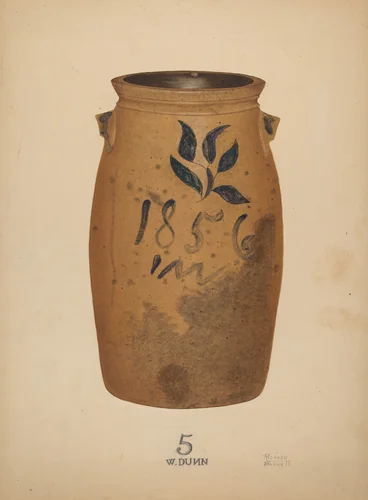
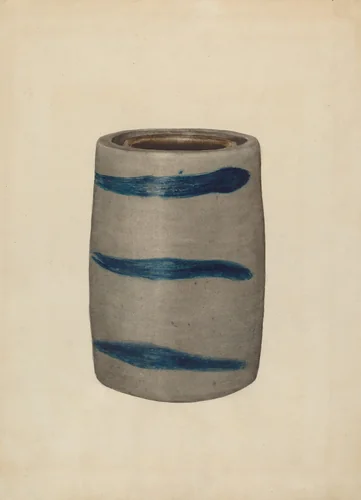
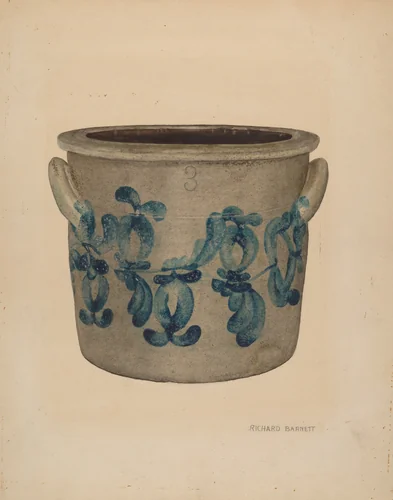
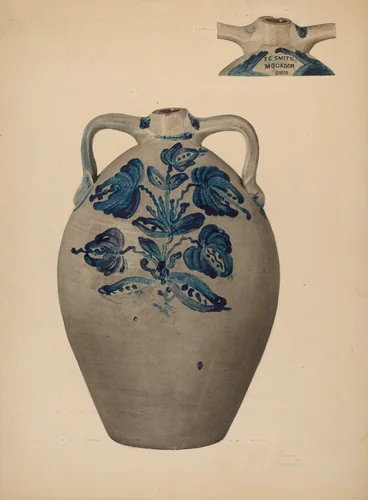
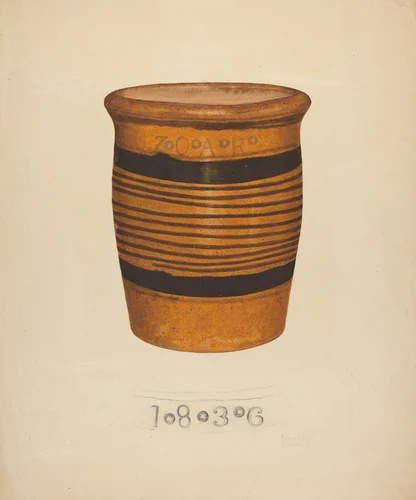
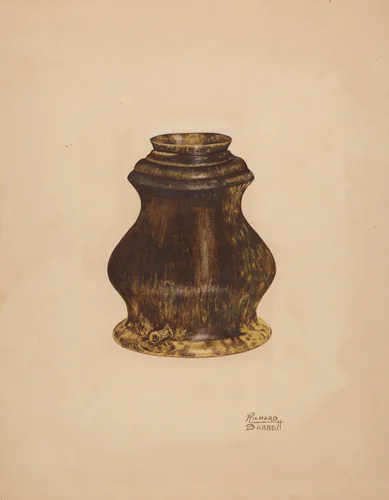
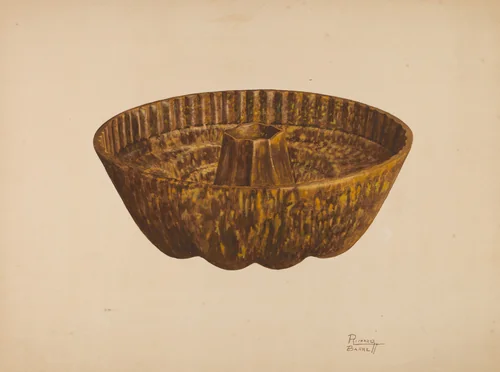
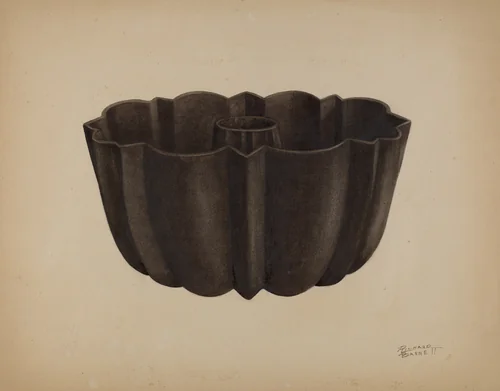
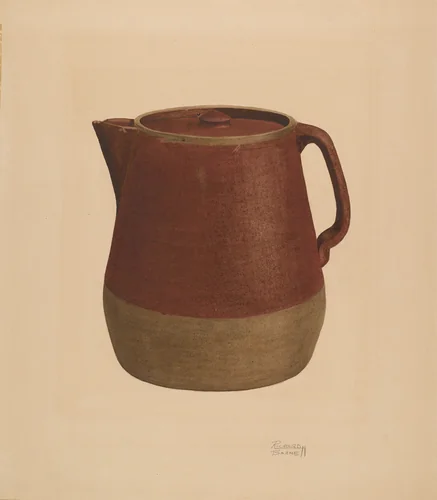
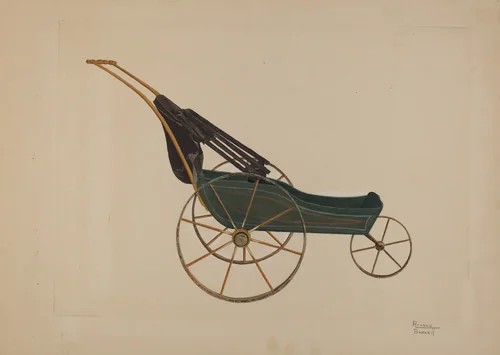
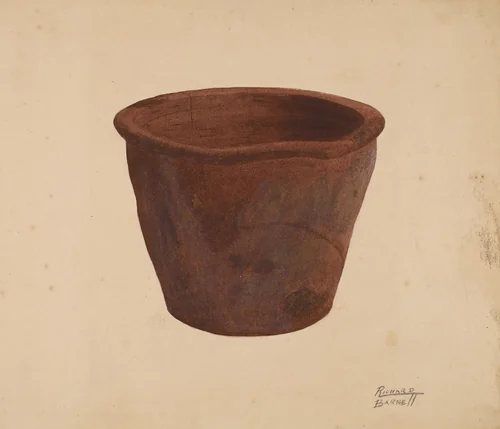
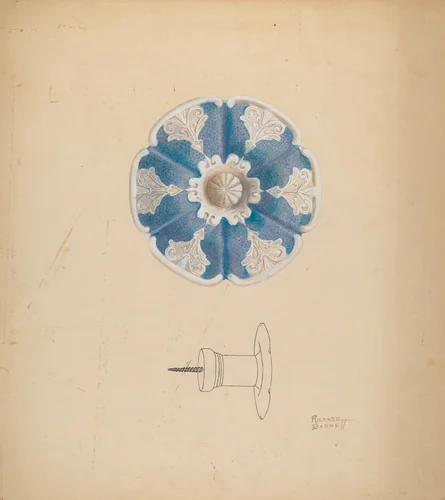
Barnett was highly active during this crucial period, contributing fifteen studies to the Index. His work focused primarily on the meticulous documentation of utilitarian and domestic items, transforming overlooked artifacts into objects of rigorous aesthetic study. His renderings of items such as the rugged Cask and the practical Door Handle are characterized by a precise, objective fidelity, yet they retain a subtle artistic sensitivity to texture and form. This approach revealed that true American ingenuity often resided not solely in celebrated fine art, but in the enduring, practical artistry of the workshop and the home.
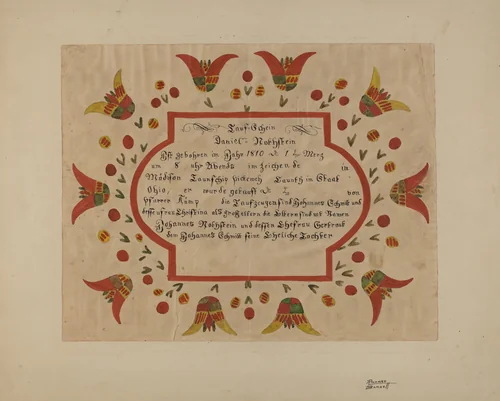
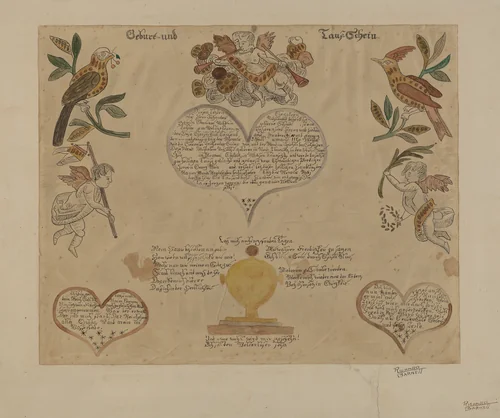
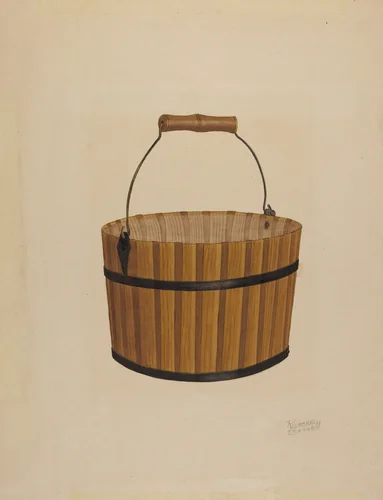
Perhaps his most compelling work involved the documentation of regional crafts. Studies like the Shaker Wooden Bucket capture the strict functionalism and refined simplicity characteristic of Shaker design, while his intensive documentation of Fraktur preserves the vibrant, highly stylized German-American script art crucial to the Pennsylvania Dutch tradition. Barnett was among a small cohort of artists who recognized and successfully recorded the inherent design quality in the commonplace, securing a visual history that might otherwise have vanished.
Today, the original body of Barnett’s IAD work is preserved within the distinguished collection of the National Gallery of Art, Washington, D.C. The inherent historical and educational value of these documented artifacts ensures that the collection maintains an exceptional museum-quality standard. Furthermore, given their origins and age, the documentation often falls under the public domain, making high-quality prints of Barnett’s studies widely available to scholars and contemporary designers seeking historical reference or inspiration. The enduring clarity and historical importance of Richard Barnett’s work ensure his place as a vital chronicler of 1930s American material culture.
Source: Wikipedia · CC BY-SA 4.0