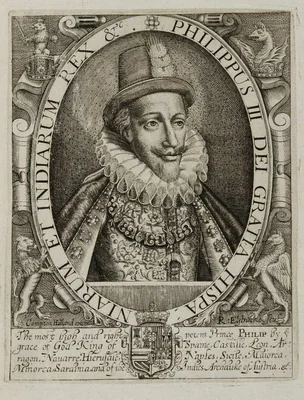
Renold Elstrack
Renold Elstrack, known also by the slightly more formal rendering Reginold Elstracke, occupies a significant, pioneering position in the development of English graphic arts. Active during the early years of the reign of Elizabeth I, around 1571, he is recognized as one of the earliest native-born artists to successfully establish a career focused exclusively on engraving. His emergence helped initiate a slow shift away from the island’s heavy reliance on imported continental prints and skilled foreign artisans.
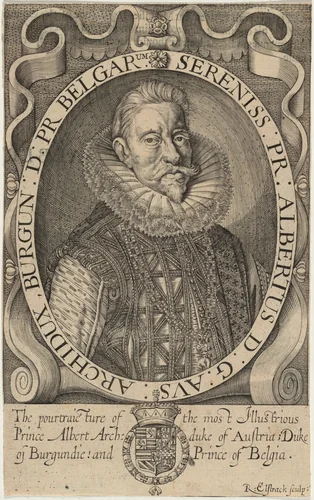
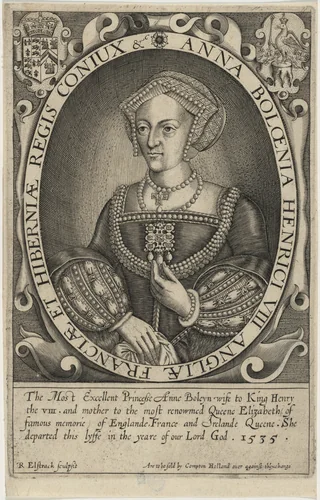
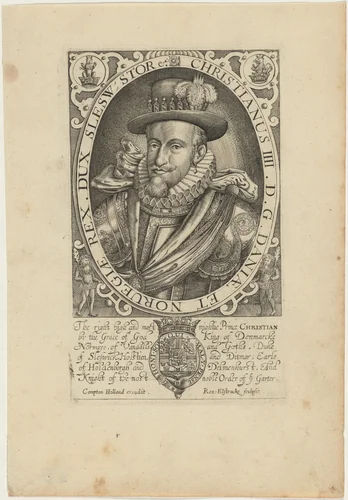
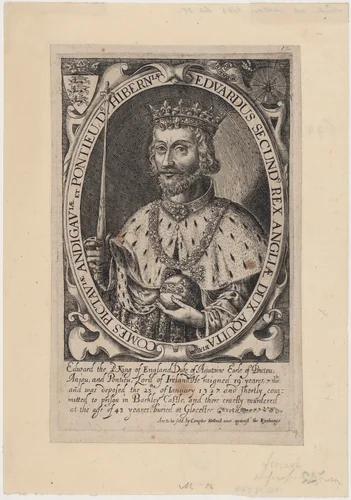
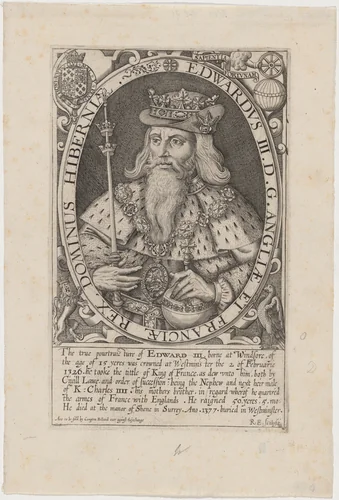
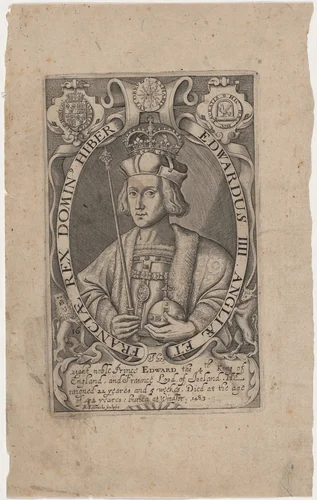
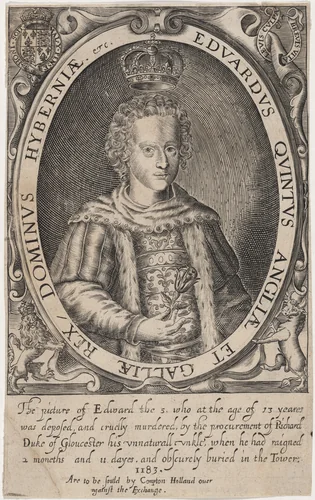
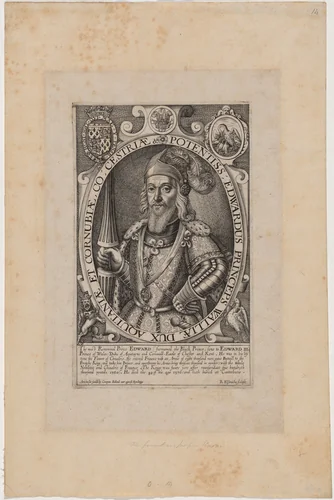
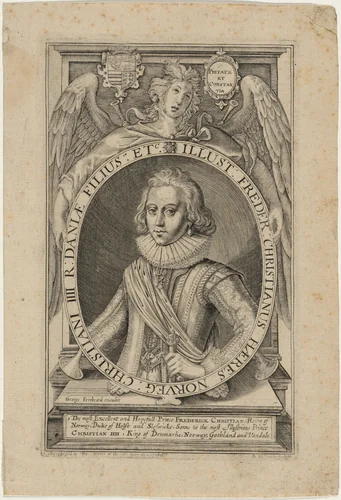
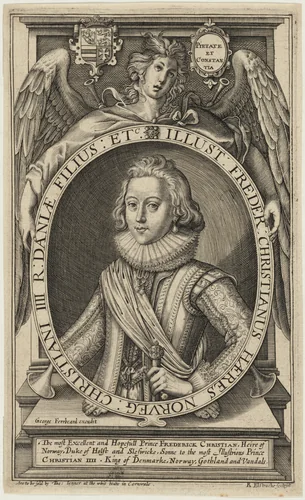
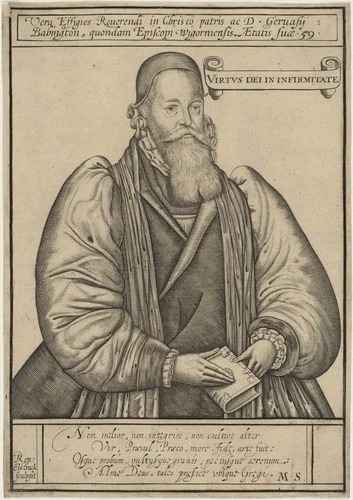
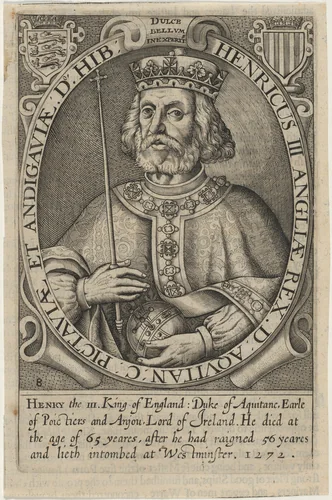
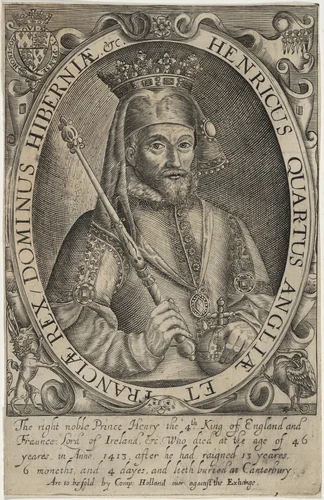
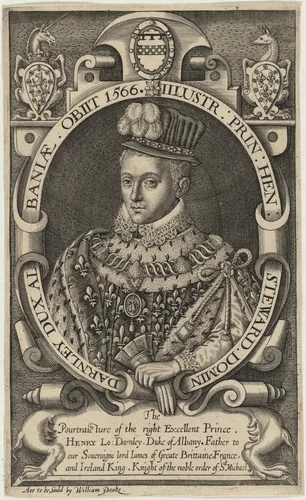
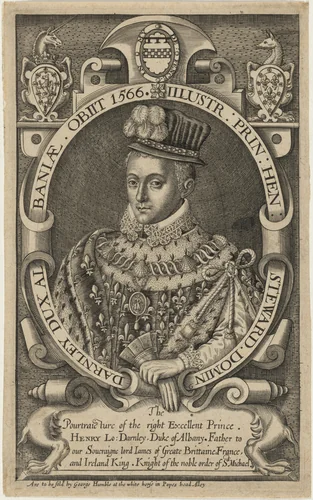
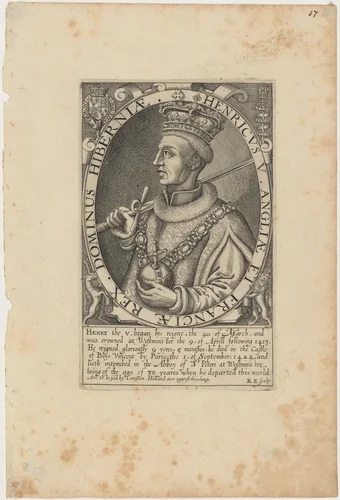
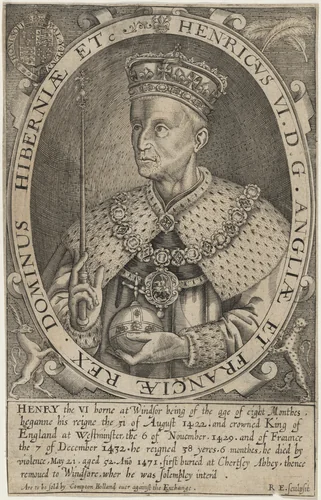
Elstrack’s documented output, totaling approximately fifteen surviving works, focuses entirely on high-detail portraiture. The function of these engravings was immediate and clear: the broad dissemination of authoritative likenesses for political and historical figures. During an era before photography, the reproducible print was essential for shaping public perception and cementing dynastic history. His subjects ranged across contemporary European royalty, such as Albert, Archduke of Austria and Christian IV of Denmark, to crucial figures from the recent English past, including the instantly recognizable, if politically sensitive, portrait of Anne Boleyn.
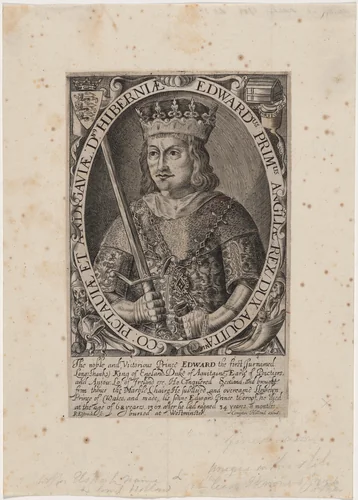
The dedication of such a limited corpus to historical figures, particularly those reinforcing English lineage like Edward I of England, suggests that Elstrack was catering to an emerging market keen on reinforcing national visual identity. The print, in this context, was less a decorative object and more a functional piece of propaganda. This early foray into reproducible history reveals a subtle but critical shift: in 1571, portraiture was understood not merely as biography, but increasingly as branding.
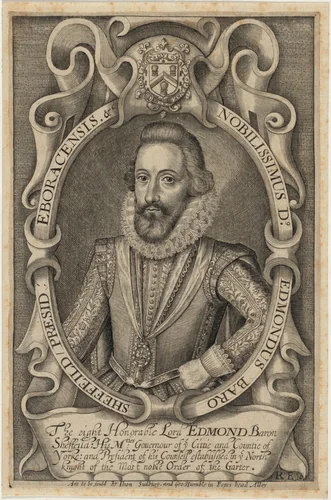
While the technical mastery of Elstrack was eventually surpassed by later generations, his foundational work established a vital foothold for a genuinely English tradition of printmaking. His works, including the likeness of Edmond Shaffield, First Earl of Malgrave, are preserved in major institutional collections, notably the National Gallery of Art, offering essential documents of Elizabethan visual culture. Though the fragile original plates are rarely accessible, the legacy of Renold Elstrack prints continues through digital preservation. Fortunately, high-quality prints derived from these historically rich engravings are often released into the public domain, ensuring their ongoing study by historians of both art and early modern governance.
Source: Wikipedia · CC BY-SA 4.0