René Beeh
René Beeh (1884-1922) represents one of the most significant, yet tragically curtailed, careers in early 20th-century German graphic arts. The Alsatian draughtsman and painter received immediate and extraordinary acclaim during his brief period of activity, exemplified by art historian Wilhelm Hausenstein’s declaration that Beeh was "the coming genius." This contemporary assessment placed Beeh among the most anticipated talents of the era, an anticipation largely forgotten due to his untimely death.
Beeh’s professional life spanned a highly concentrated six-year period, 1916 to 1921, during which he focused intensely on graphic production. His surviving documented body of work, though small, consisting of five contributions to periodicals, four prints, and one drawing, commands disproportionate influence. Crucially, major institutional holdings, including the Museum of Modern Art and the National Gallery of Art, confirm his permanent place in modern art history.
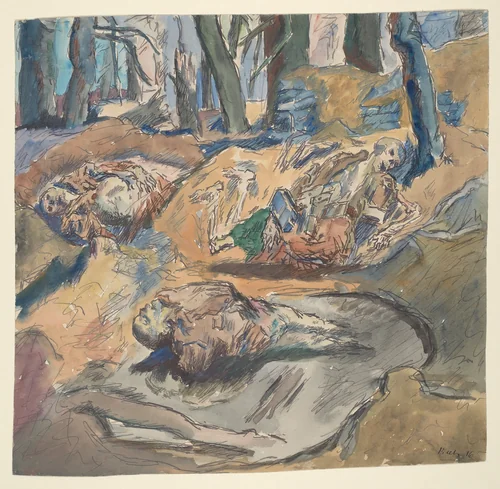
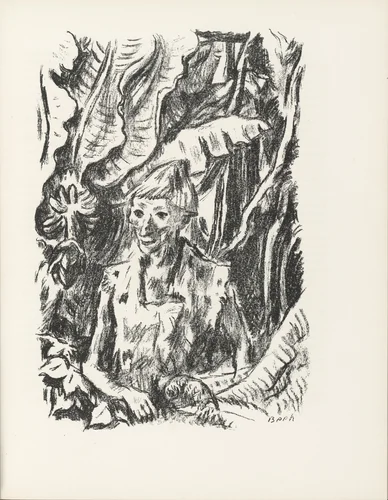
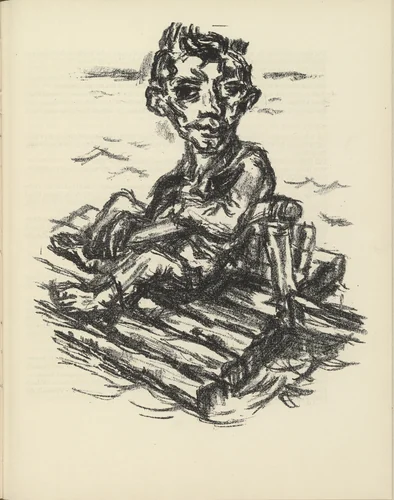
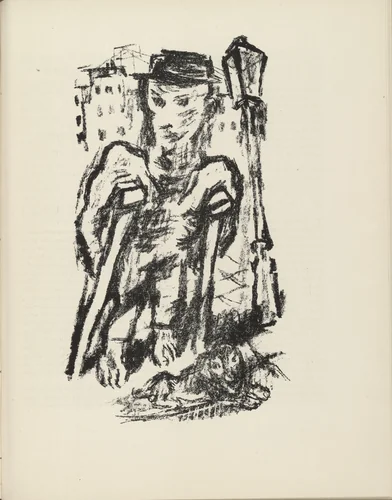
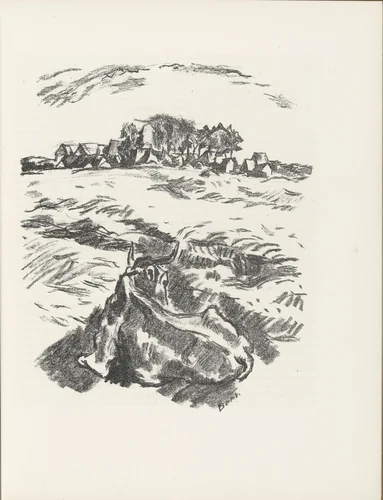
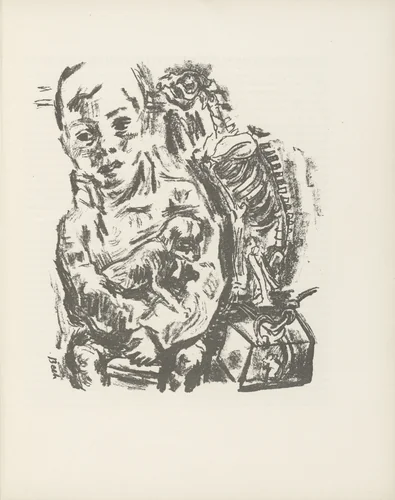
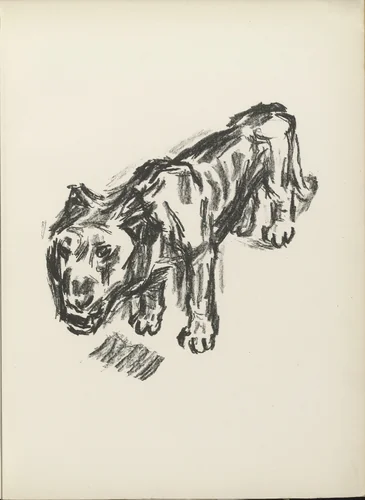
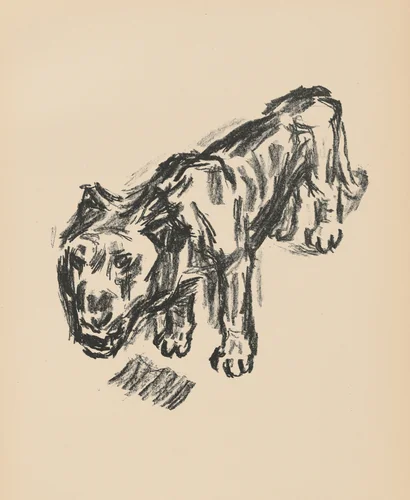
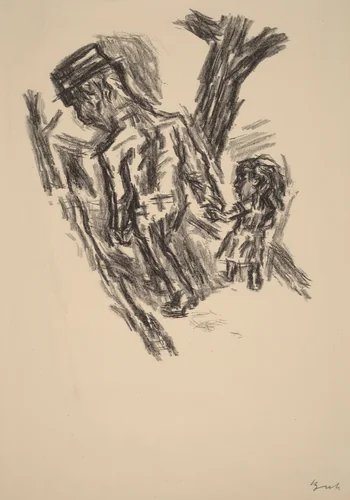
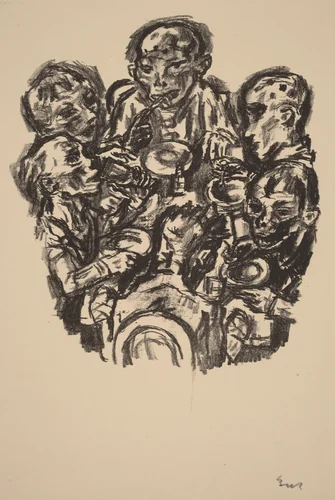
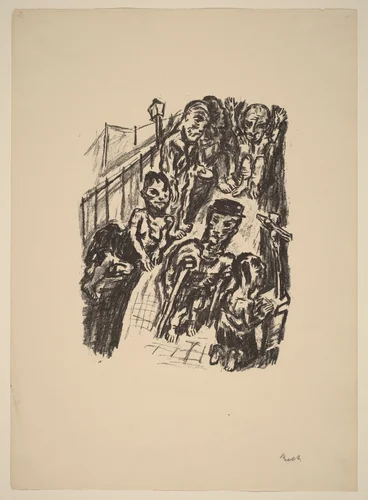
His output is perhaps best known for its piercing commentary on the immediate post-World War I environment. A standout example is the intensely rendered print, Dead Scottish Soldiers on the Battlefield near Ypres. Beyond the single-subject print, Beeh sustained his profile through contributions to progressive literary and artistic journals. He was a frequent contributor to the influential periodical Münchner Blätter für Dichtung und Graphik throughout 1919, providing striking plates such as Robinson (Robinson) and The Contented One (Der Zufriedene). These contributions ensured his reputation as a serious, innovative artist capable of merging visual severity with narrative depth.
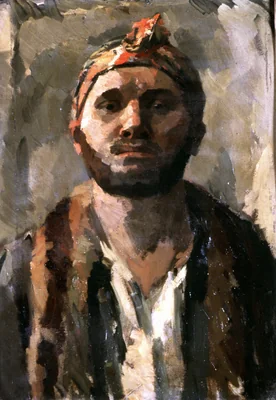
It is a curious footnote of modern art history that a figure so profusely lauded by his peers would require the tragic interruption of a premature death to achieve near-total anonymity for decades. The high esteem of his contemporaries, however, ensures his enduring significance. Today, while few René Beeh paintings are documented, his powerful graphic works, including the existing René Beeh prints, are increasingly accessible. Many of these historically valuable drawings and prints have entered the public domain, allowing for their rediscovery and distribution as high-quality prints and downloadable artwork, thus ensuring that the promise seen by Hausenstein is finally realized for a new generation of viewers.
Source: Wikipedia · CC BY-SA 4.0