Remigius Adrianus Haanen
Remigius Adrianus Haanen (1812-1894), often recognized simply as Remy van Haanen, was a distinct and influential figure in 19th-century European landscape art. Originating in the Northern Netherlands, his career quickly bridged the Dutch Romantic tradition with the vigorous artistic currents of imperial Vienna, where he was based for the majority of his working life.
Haanen’s artistic formation began within a remarkably fertile domestic environment. He was the son of the papercutter Casparis Haanen and trained alongside his siblings, who included the celebrated painters George Gillis Haanen, Elisabeth Alida Haanen, and Adriana Johanna Haanen. This familial association constituted one of the most notable artistic dynasties of the period. Formal training was solidified at the Academy of Utrecht, providing him with the foundational skills necessary for his specialized focus on detailed, evocative landscapes.
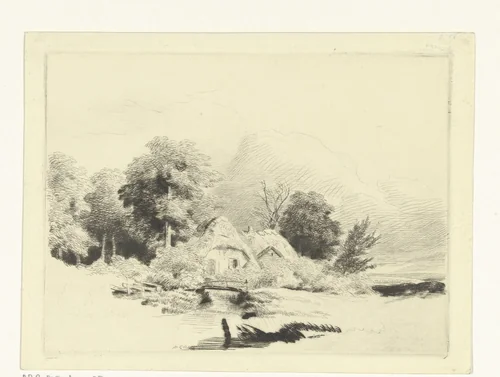
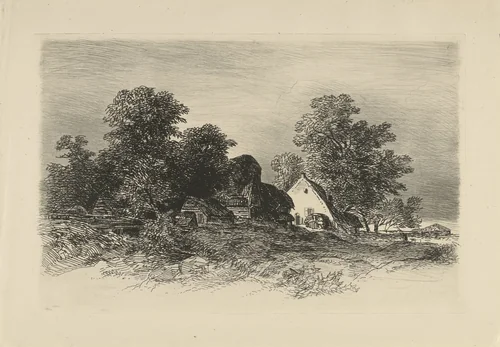
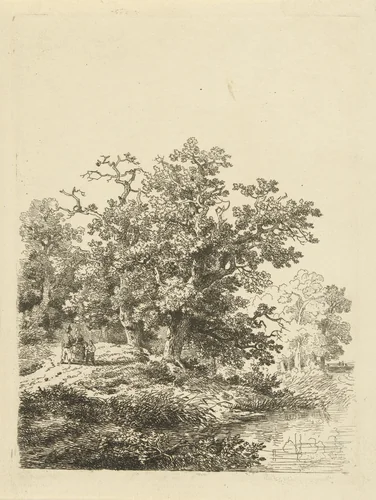
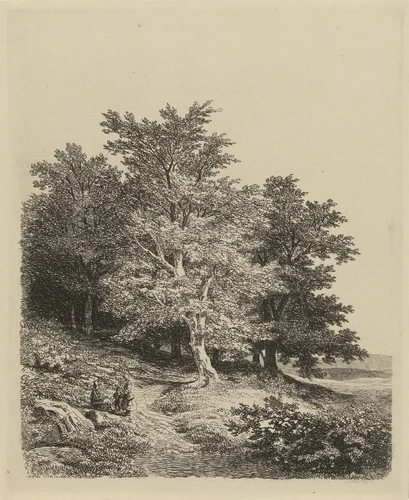
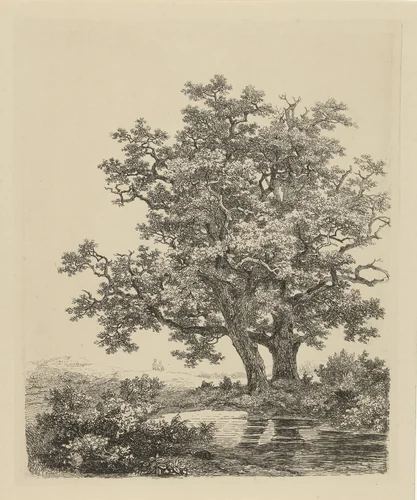
The artistic climate of the early 19th century greatly valued the detailed, often narrative rendering of natural scenes, and Haanen excelled in this pursuit. His compositions predominantly focused on rustic genre scenes, capturing the daily life around watermills, bridges, and dense, moody forests, exemplified by works such as Watermolen in een boomrijk landschap and Boerderij bij een bruggetje. These images frequently employ dramatic contrasts of illumination, lending his prints and oil Remigius Adrianus Haanen paintings a profoundly atmospheric quality.
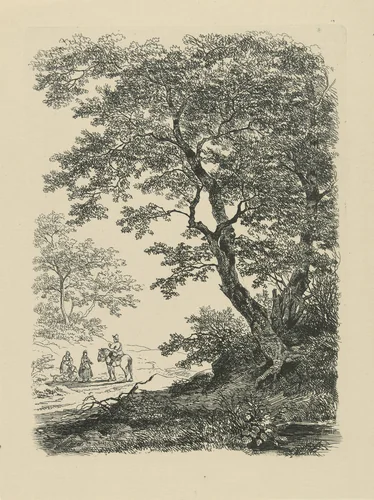
A pivotal career decision came in 1837 when Haanen permanently relocated from the Netherlands to Austria, where he became highly active in Vienna. This geographic shift allowed his distinctive style to circulate among a new Central European collector base, quickly solidifying his international reputation. While he created various notable works, he is perhaps best known for his meticulous printmaking, documenting scenes like Reizigers op een bospad.
His lasting contribution is affirmed by the placement of his work in major institutions like the Rijksmuseum. For scholars and enthusiasts seeking access to his enduring vision, many of the Remigius Adrianus Haanen prints are now considered downloadable artwork, widely available for study. It is worth noting that Haanen was the only sibling of this distinguished dynasty to achieve such sustained and integrated success far outside his native borders, a characteristic boldness in the face of the era's established art capitals.
Source: Wikipedia · CC BY-SA 4.0