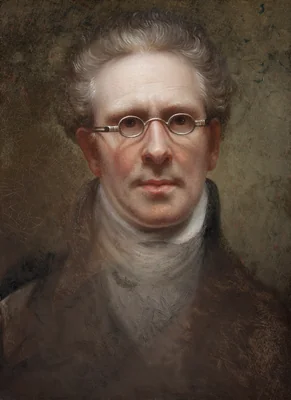
Rembrandt Peale
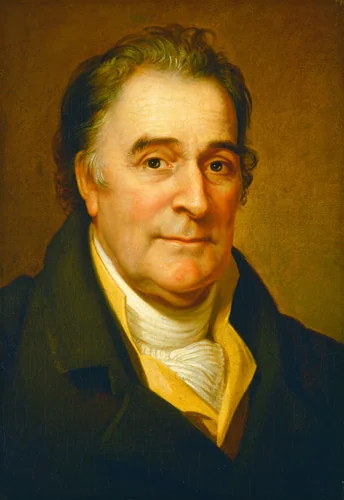
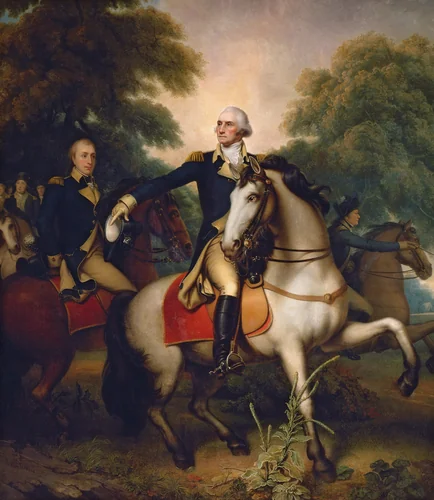
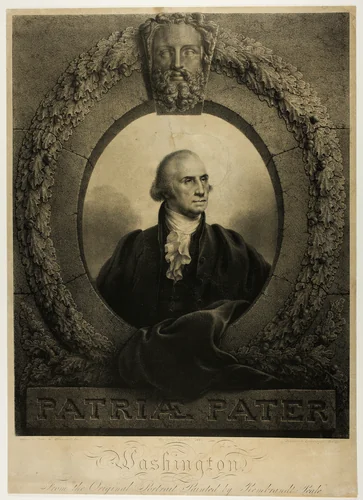
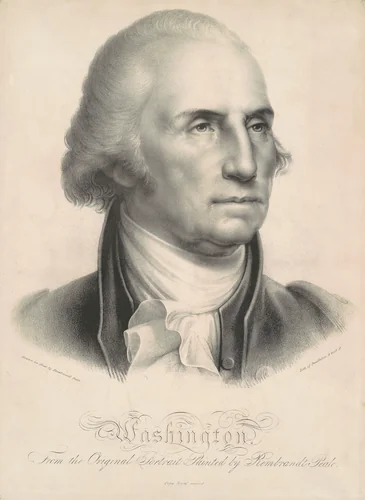
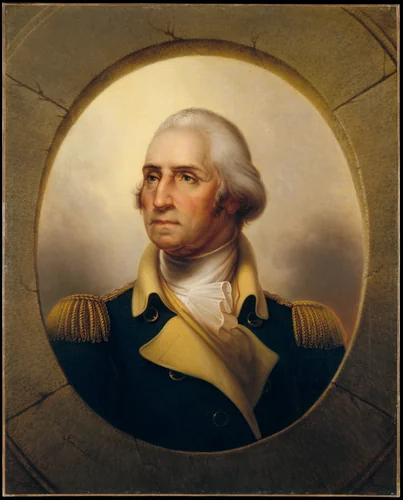
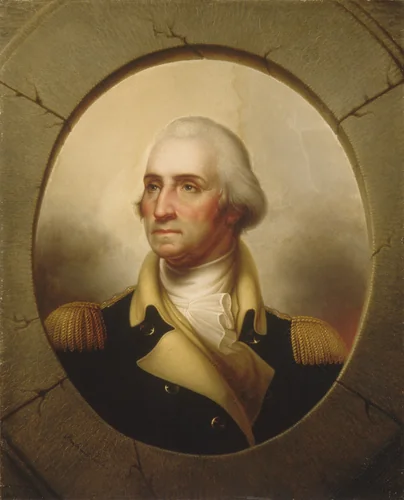
Rembrandt Peale (1778-1860) occupies a vital position in the history of American visual culture, known equally as a prolific portraitist and a key figure in the development of the early American museum. Active throughout the first three decades of the 19th century, Peale helped define the visual identity of the young Republic through his highly acclaimed likenesses of foundational political figures. His authoritative portraits of presidents George Washington and Thomas Jefferson achieved immediate cultural status and remain essential reference points for understanding the early American historical image. Born into the preeminent Peale artistic dynasty, his career successfully combined inherited skill with an entrepreneurial commitment to public education and institutionalism.
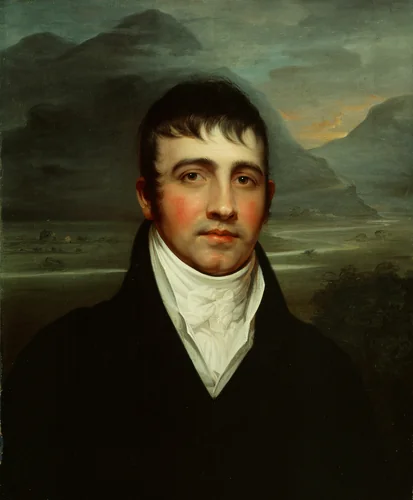
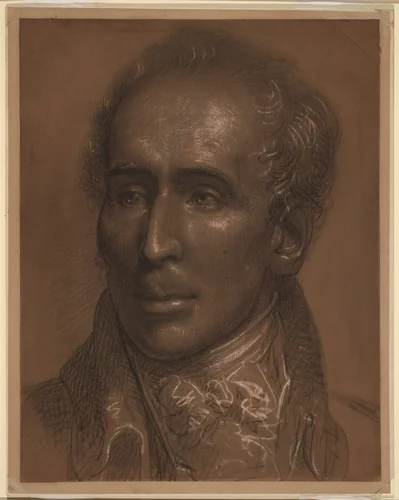
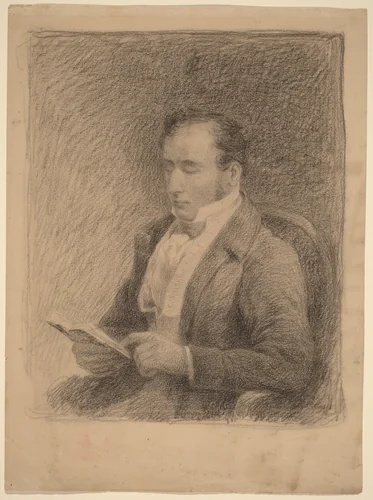
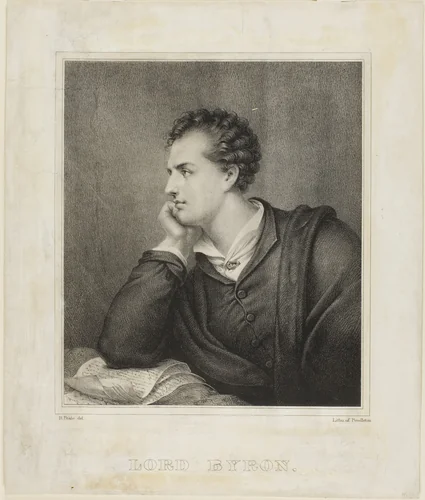
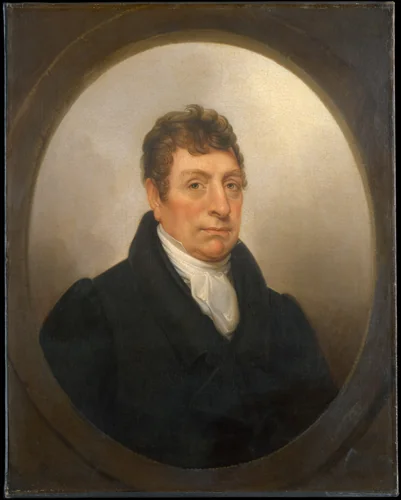
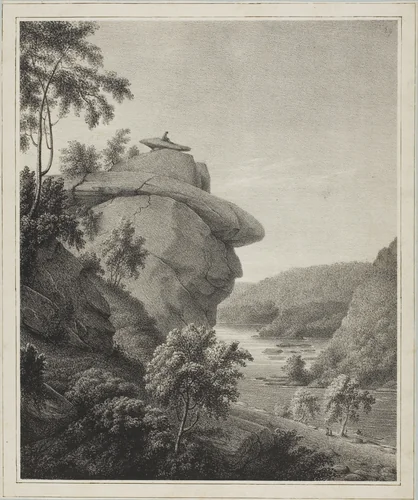
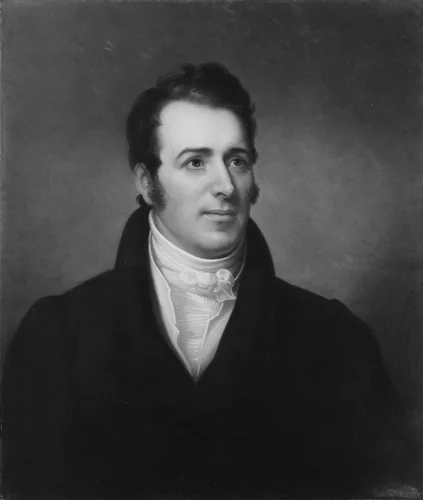
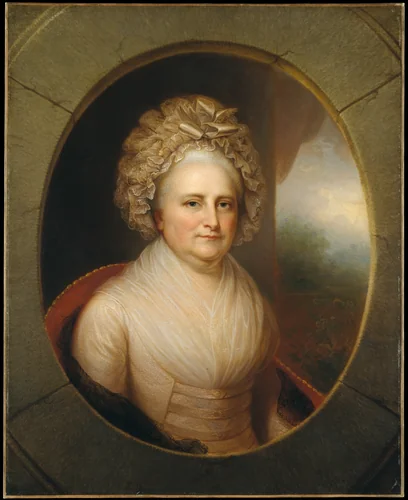
Peale’s aesthetic underwent a significant and transformative refinement following a defining stay in Paris during his early thirties. This sustained exposure to French Neoclassicism introduced a distinctive severity of line, clarity of light, and academic structure that differentiated his style from the preceding colonial generation. Moving beyond the detailed naturalism characteristic of his family's school, Peale embraced a formal grandeur that lent gravity to his powerful sitters. This refined approach is evident across his prolific output, encompassing dozens of oil paintings, as well as several carefully executed drawings and lithographic prints.
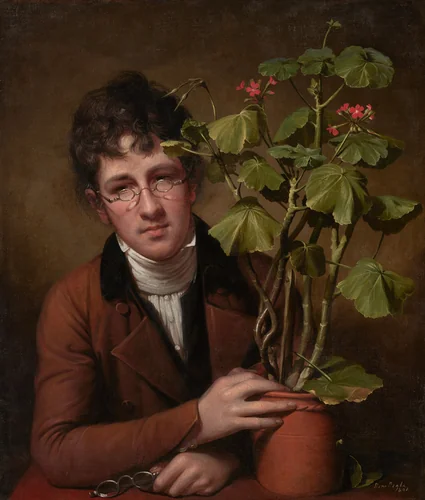
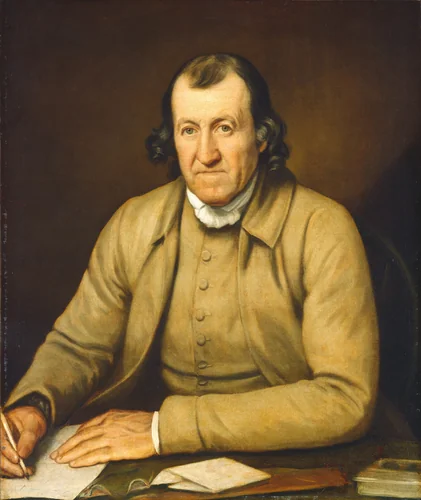
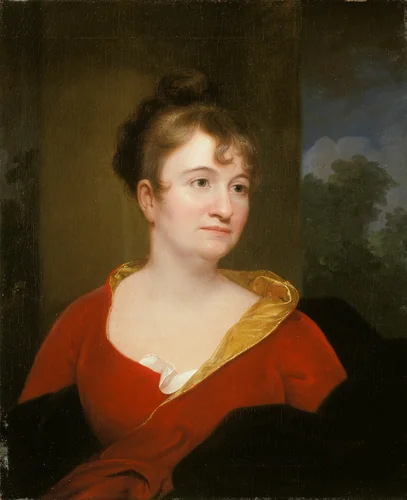
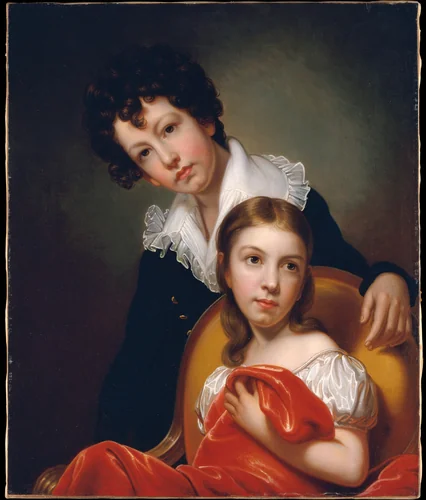
The artist excelled at capturing the intellectual, mercantile, and political elite of the early 19th century. Formal commissions, such as the studies of Abigail Inskeep Bradford and Samuel Fisher Bradford, demonstrate his mastery of fabric and pose, while the candid internal portrait of his sibling, Rubens Peale with a Geranium, reveals a sensitive hand for domestic life. It is perhaps little wonder that the weight of historical importance settled early on the artist; he was, after all, named "Rembrandt" by his own father, the formidable Charles Willson Peale, setting an impossibly high standard for any American apprentice.
Peale’s dedicated and refined output cemented his reputation as a primary visual documentarian of his era. Today, his canvases are represented in major international collections, including the Metropolitan Museum of Art, the National Gallery of Art, and the Art Institute of Chicago, testifying to their continued museum-quality significance. The enduring quality of these Rembrandt Peale paintings and early Rembrandt Peale prints ensures their continued study. Many of these important historical compositions are now safely in the public domain, allowing for widespread access and the creation of high-quality prints for scholars and enthusiasts globally.
Source: Wikipedia · CC BY-SA 4.0