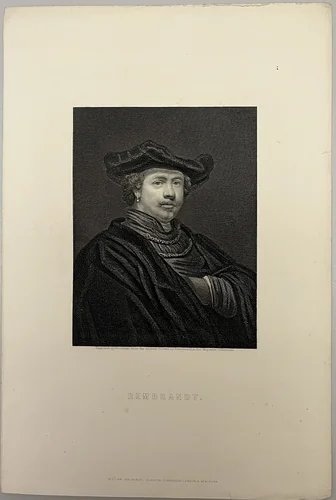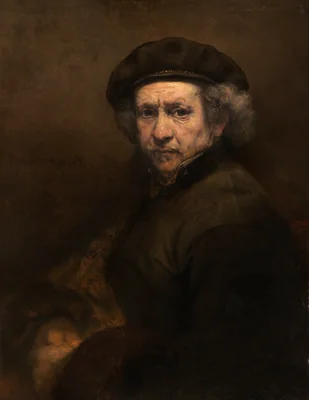
Rembrandt
Rembrandt Harmenszoon van Rijn remains the definitive figure of the Dutch Golden Age, celebrated as a painter, printmaker, and draughtsman of unparalleled depth. Mononymously known as Rembrandt, he is widely regarded as one of the greatest visual artists in the history of Western art. His career spanned a dynamic period of cultural and commercial innovation in the Netherlands, during which he fundamentally redefined portraiture, historical painting, and the graphic arts through dramatic lighting and psychological intensity.
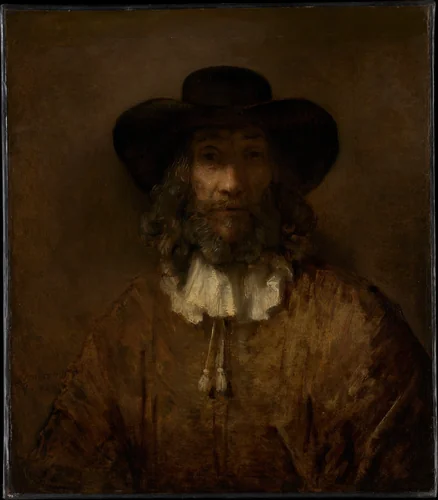
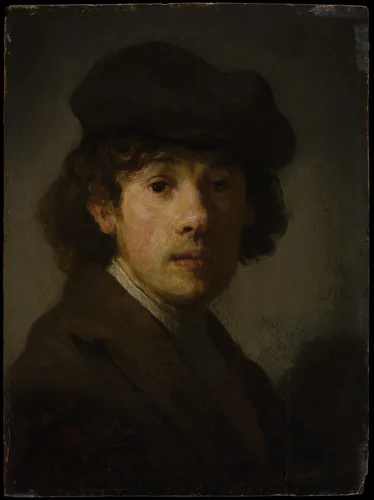
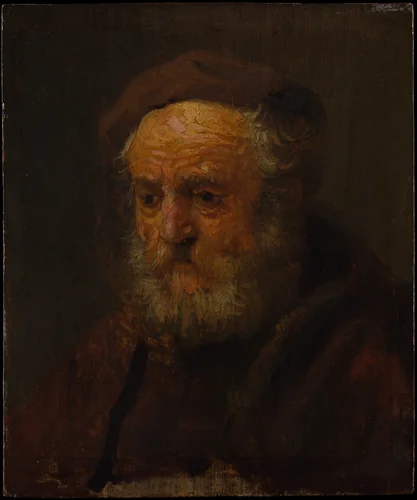
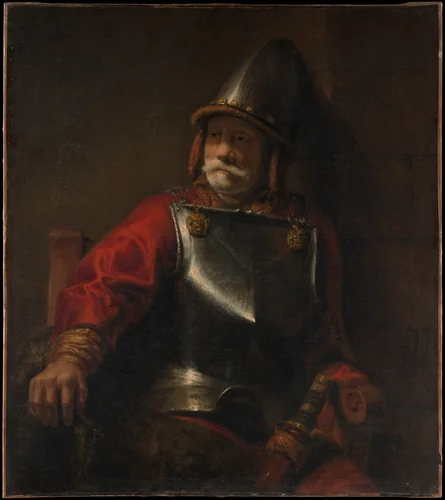
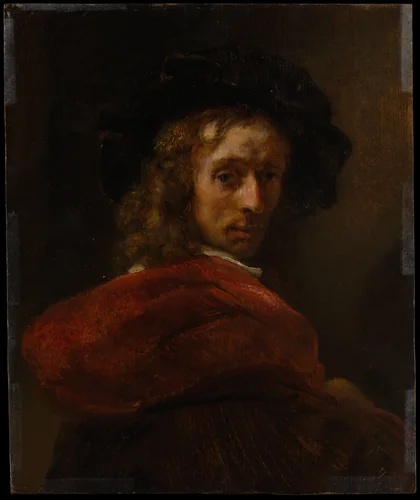
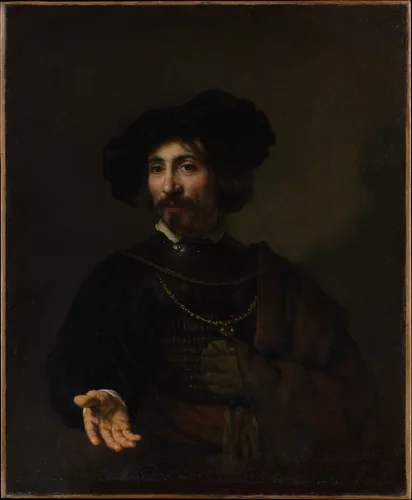
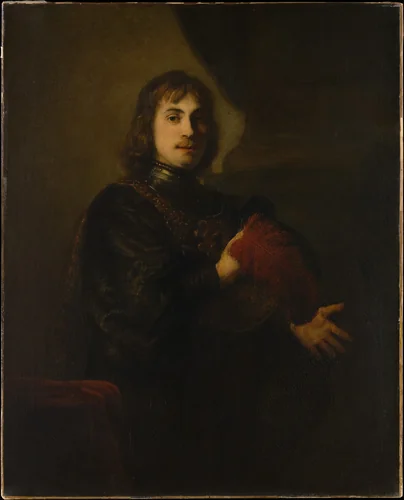
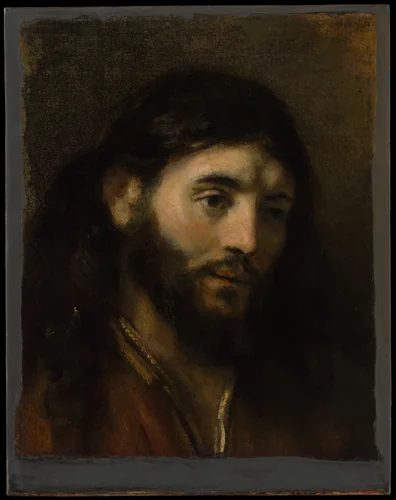
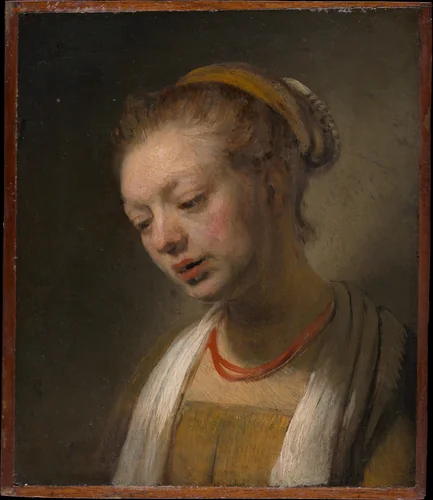
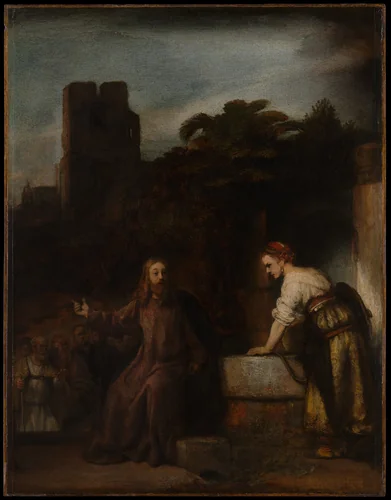
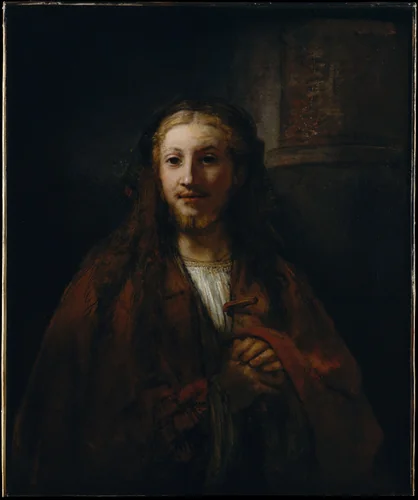
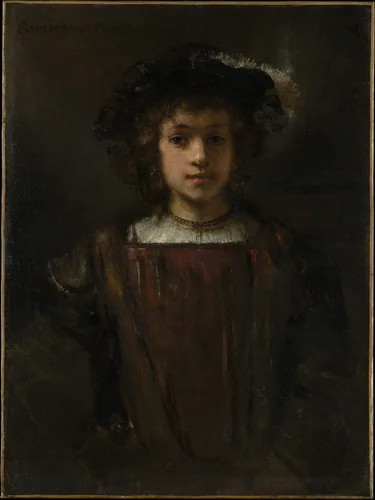
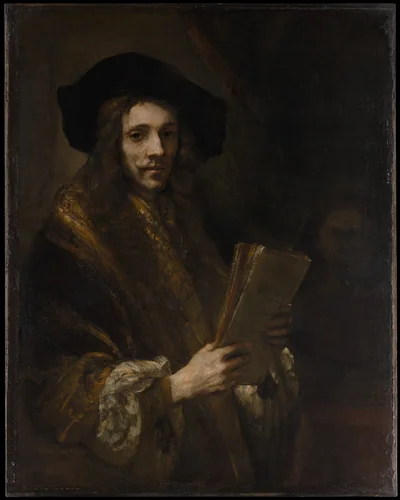
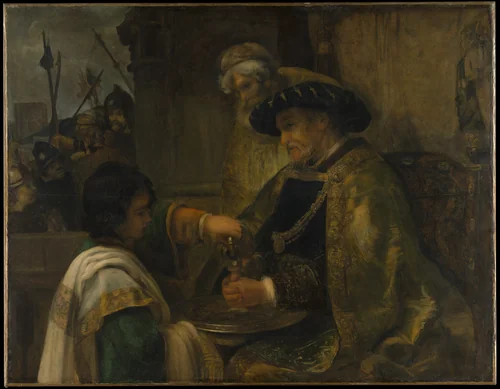
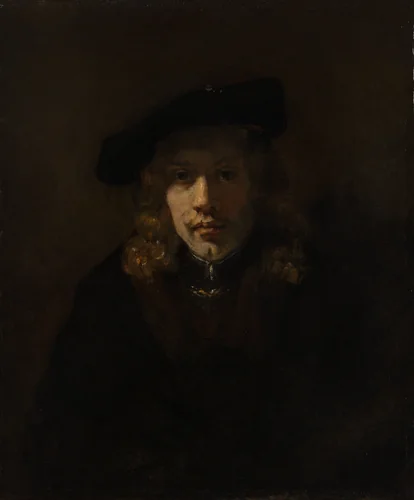
Rembrandt’s technique is defined by his profound handling of chiaroscuro, employing striking contrasts of light and shadow not just for immediate dramatic effect, but primarily to reveal the inner psychological state of his subjects. While celebrated for his use of impasto and rich color in painting, he simultaneously mastered the art of etching, achieving textural complexity and expressive freedom unparalleled in the medium. This profound empathy for the individual is evident throughout his catalogue, from masterful self-explorations like Rembrandt (1606–1669) as a Young Man to detailed character studies such as Man with a Beard and Study Head of an Old Man. His ability to transcend specific genres, tackling everything from mythological subjects like Man in Armor (Mars?) to the sober dignity of Man in a Red Cloak, cemented his reputation as a versatile genius.
The sheer scale of his surviving oeuvre attests to his industry and dedication. Historians estimate approximately three hundred Rembrandt paintings, three hundred etchings, and several hundred drawings remain extant, ensuring his influence transcended his own era and continues unabated today. It is perhaps the most fascinating element of Rembrandt’s legacy that a man so acutely sensitive to the nuances of human character, as captured repeatedly in his work, proved remarkably unable to manage his own financial stability. Nonetheless, his lasting impact is undeniable. His works form the backbone of major international collections, including a significant presence at the Metropolitan Museum of Art. Fortunately, much of this foundational material is now considered public domain, allowing institutions and enthusiasts to generate high-quality prints and royalty-free downloadable artwork for study and widespread appreciation.
Source: Wikipedia · CC BY-SA 4.0