Reinier Craeyvanger
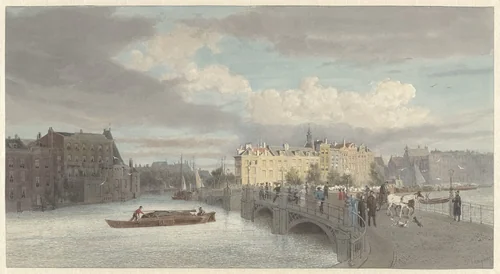
Reinier Craeyvanger was a prolific 19th-century Dutch visual artist whose career, spanning the years 1822 to 1878, established him as a key figure in the period's genre painting and printmaking. Although best known today for his meticulously detailed etchings, Craeyvanger was a versatile practitioner who excelled across painting, drawing, and graphic arts. His significant status is cemented by the permanent inclusion of his work in institutional collections, notably the Rijksmuseum.
Craeyvanger focused his artistic output on intimate genre scenes and everyday life, capturing moments of social interaction with careful attention to posture and light. Unlike many contemporaries who specialized strictly in one medium, Craeyvanger’s creative versatility extended beyond the visual arts: he was also a highly gifted professional musician. This unique combination of talents resulted in compositions that often possess a distinct compositional rhythm and visual harmony, reflecting an underlying formal structure.
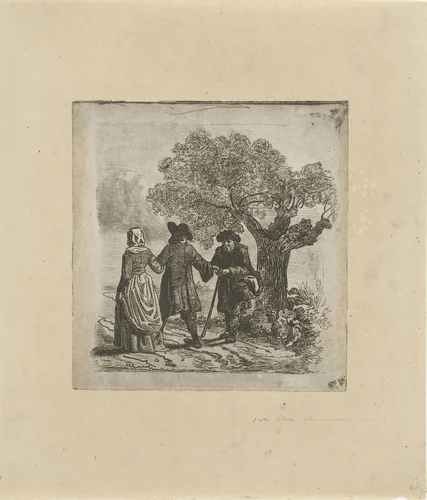
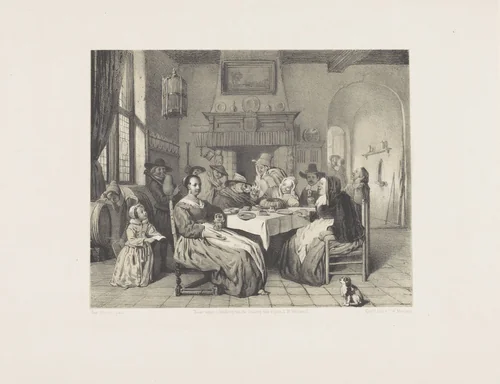
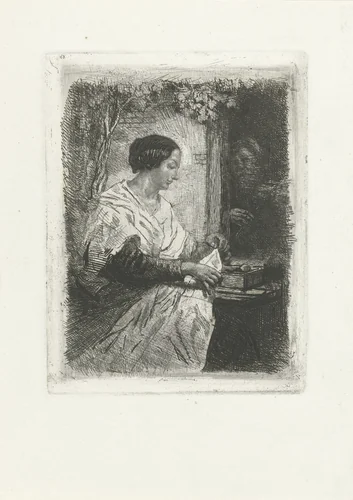
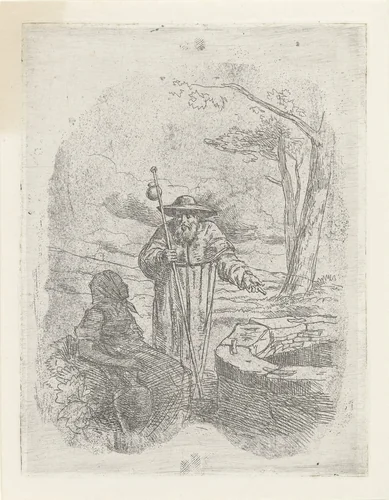
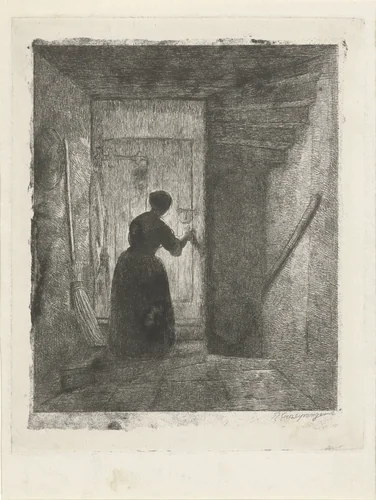
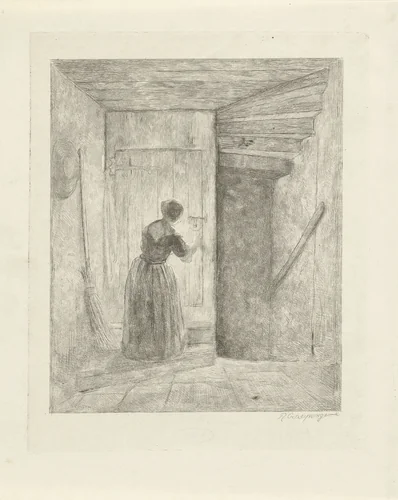
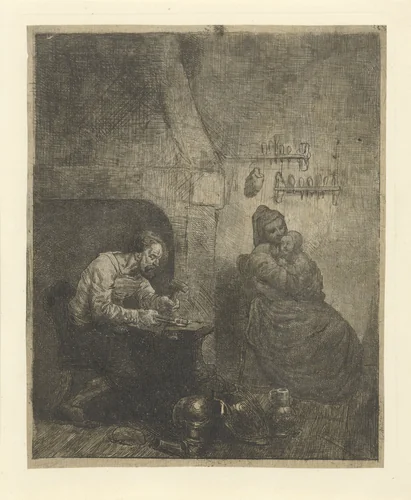
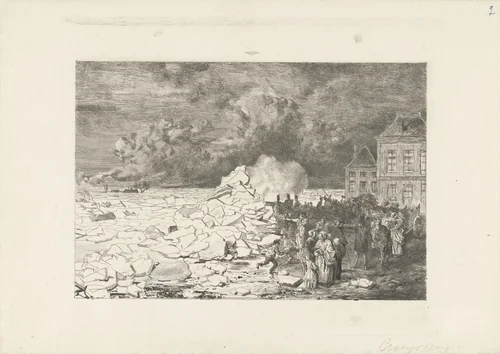
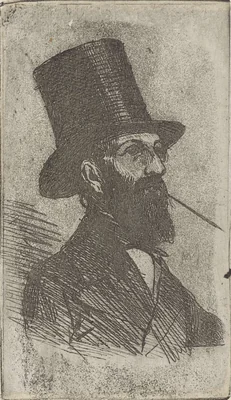
His etching practice demonstrates a mastery of line and narrative clarity. Examples such as Driekoningenfeest (Epiphany Feast) reveal a keen observational eye for group dynamics during celebratory gatherings, while Naaister en vioolspeler (Seamstress and Violin Player) suggests a private moment of domestic entertainment. The emotional weight of his subjects is evident in works like Bedelaar aan de rand van de weg (Beggar at the Edge of the Road), which treats a scene of hardship with seriousness and dignity.
While only a small number of original Reinier Craeyvanger paintings are currently documented alongside his eight known prints and single drawing, these graphic works provide valuable insight into Dutch visual culture during the Romantic and early realist movements. They stand as museum-quality examples of mid-19th-century printmaking technique. Historians and enthusiasts today benefit from the preservation of this oeuvre; much of his work, including high-quality prints and etchings, has passed into the public domain, making his nuanced observations widely accessible as downloadable artwork for study and appreciation. Craeyvanger’s enduring legacy lies in his elegant commitment to capturing both the grand narrative and the quiet, observed details of his time.
Source: Wikipedia · CC BY-SA 4.0