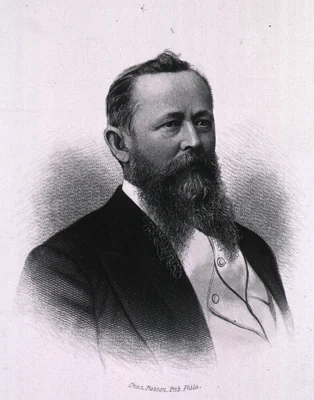
Reed Bontecou
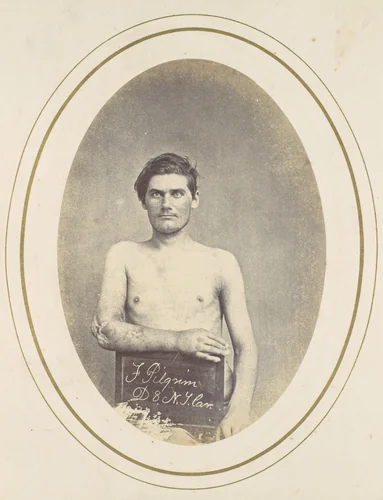
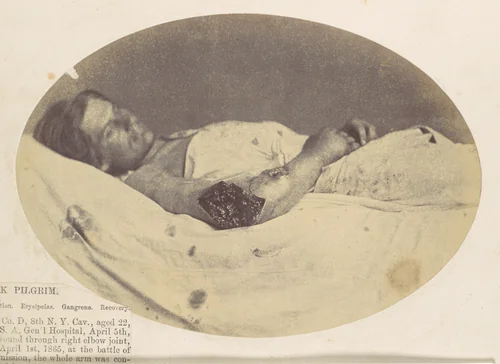
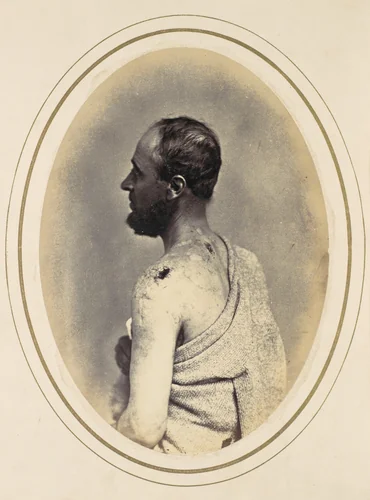
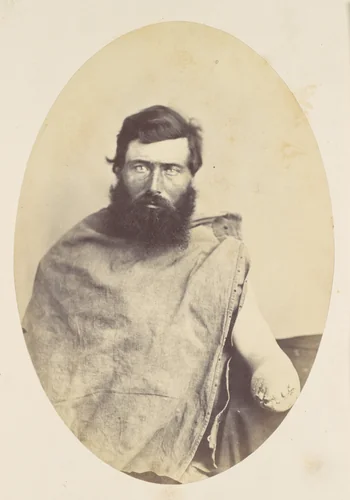
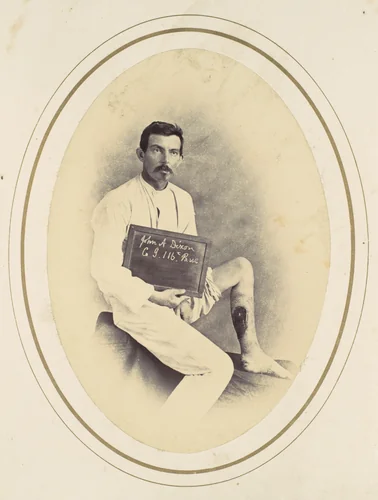
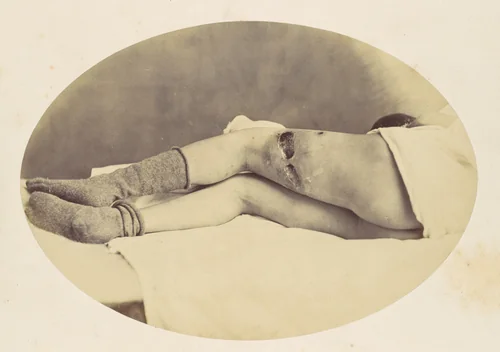
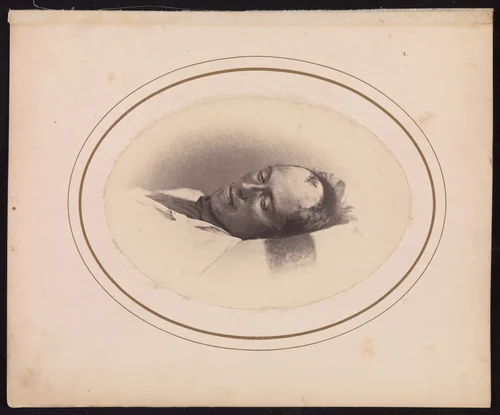
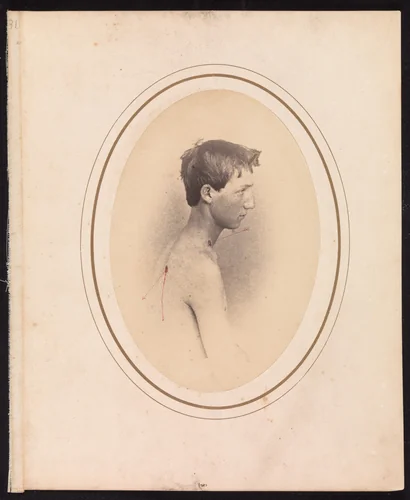
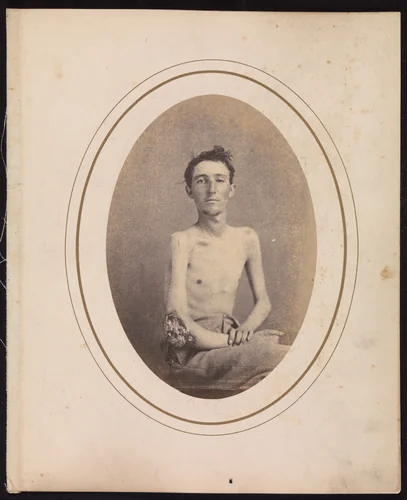
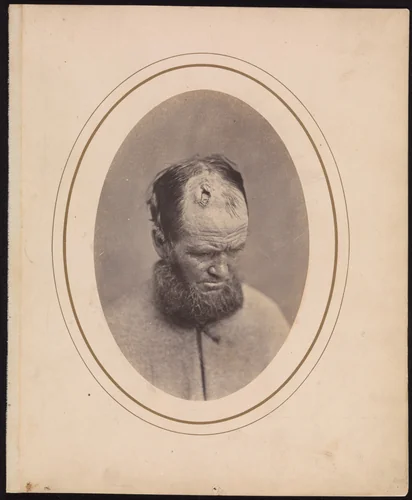
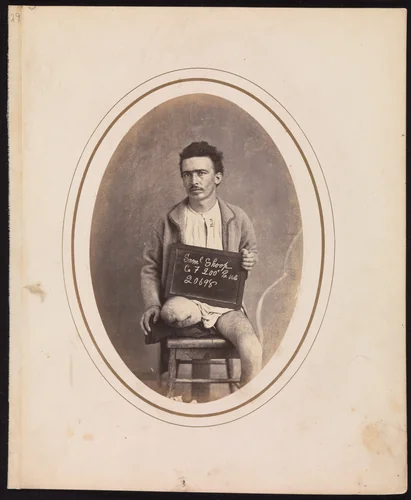
Reed Brockway Bontecou (1824-1888) occupies a singular position at the intersection of medical science and photographic history. An American surgeon active during the Civil War, Bontecou pioneered the systematic use of photography to document human trauma, fundamentally shifting the standard of clinical record-keeping from illustration to objective, empirical image. His comprehensive photographic output, primarily captured around 1865, provided an unprecedented resource for military medicine, establishing a visual archive of surgical necessity and disease progression.
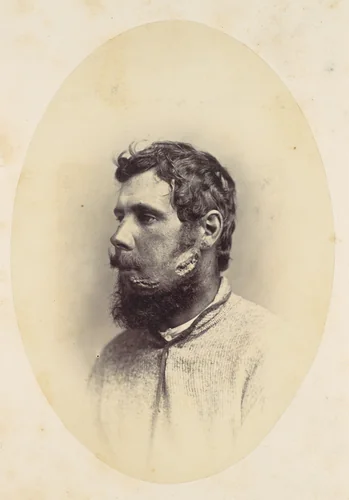
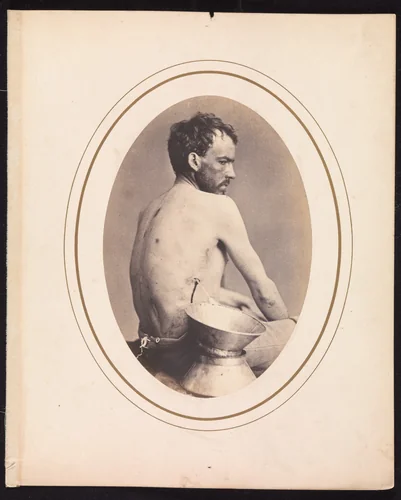
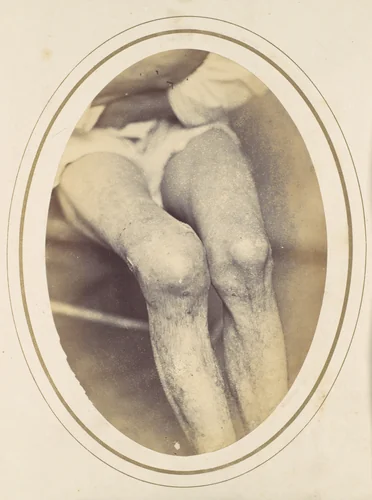
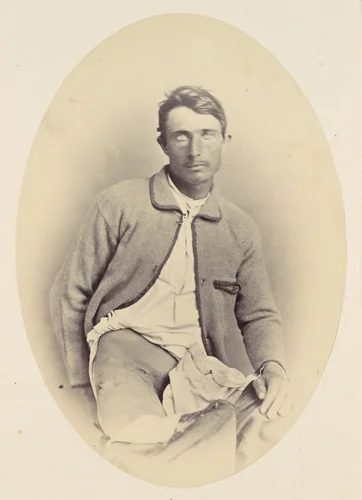
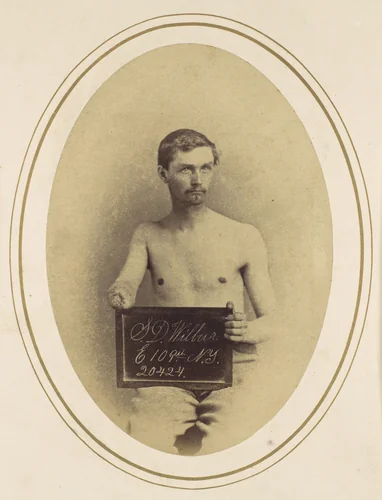
Bontecou’s process relied on the demanding collodion wet-plate technique, enabling him to produce detailed, high-resolution documentation of wounds and field operations. This technical precision was not intended for aesthetic display but served two critical functions. First, the resulting images acted as vital instructional tools for surgeons who relied on shared knowledge from distant battlefields. Second, and perhaps most historically significant, Bontecou’s extensive records, including portraits like Frederick Hohmann and Andrew Wagoner, were systematically relied upon after the war to assess the degree of injury sustained by soldiers. This archive became the definitive reference for determining the appropriate allocation of post-war pension payments, demonstrating the direct, lasting bureaucratic power of photographic documentation.
The surviving fifteen works attributed to Bontecou, many of which depict individuals such as Corporal Israel Spotts, Company G, 200th Pennsylvania Volunteers, possess a sobering clarity. They exemplify a purely utilitarian aesthetic, driven by scientific rigor rather than artistic expression. It is a quiet irony that this intense, cold observation grants the works an undeniable, enduring visual authority.
Today, Bontecou's photographic archive is recognized for its historical and medical significance, with major institutional collections, including the Metropolitan Museum of Art, preserving his legacy. Due to their age and role as government records, many of these original documents reside in the public domain, offering historians and the general public access to important material. Interested parties can obtain high-quality prints or downloadable artwork, ensuring that the legacy of Reed Bontecou prints remains accessible for both medical study and historical research.
Source: Wikipedia · CC BY-SA 4.0

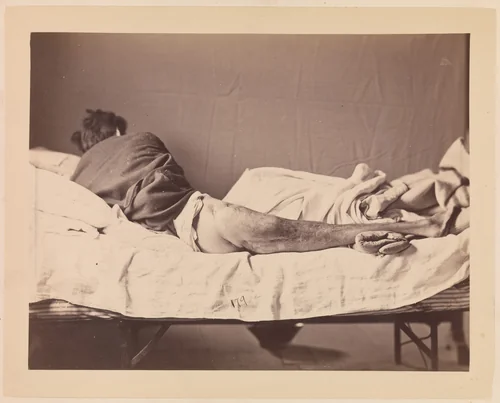
![[Wounded Soldiers on Cots, possibly at Harewood Hospital] by Reed Bontecou, photograph, 1865](https://img.artbee.org/6804eb3c-5d3e-4ea6-beaf-38fb58cd00e7/small.webp)