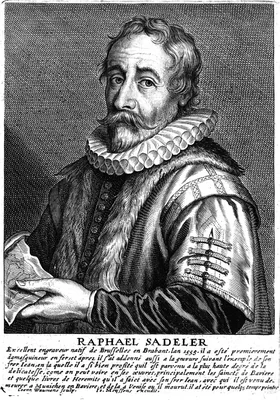
Raphaël Sadeler
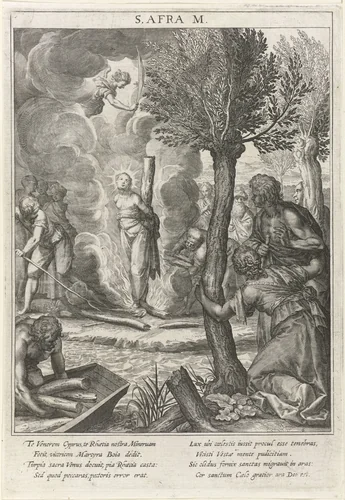
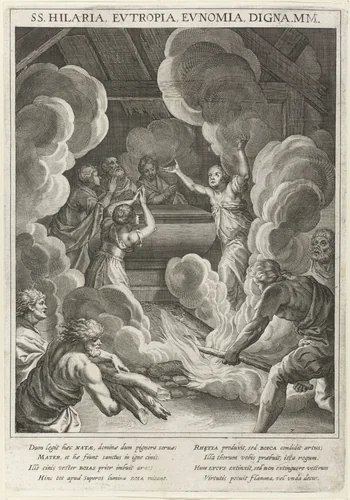
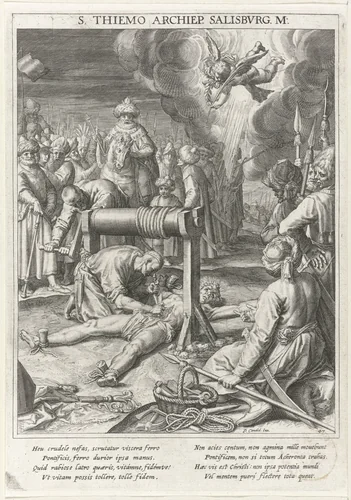
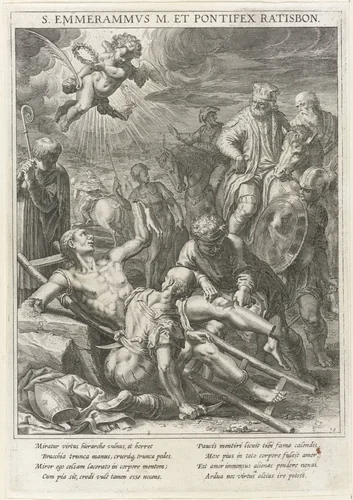
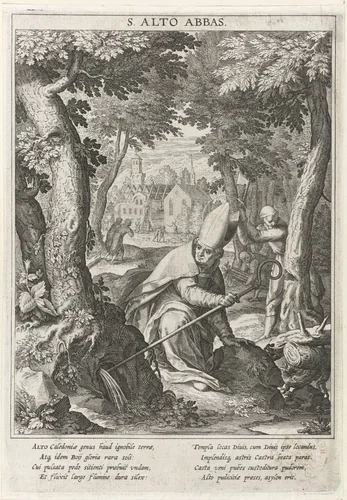
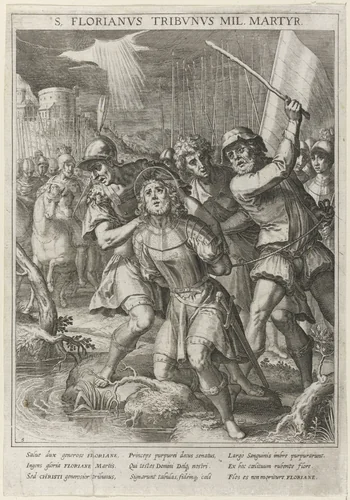
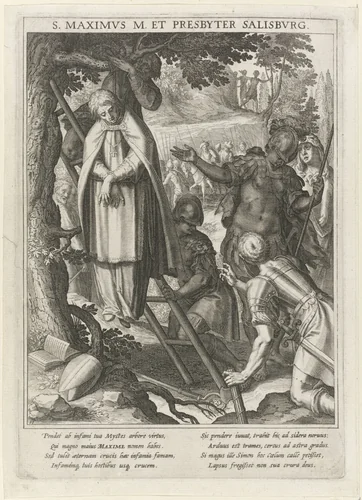
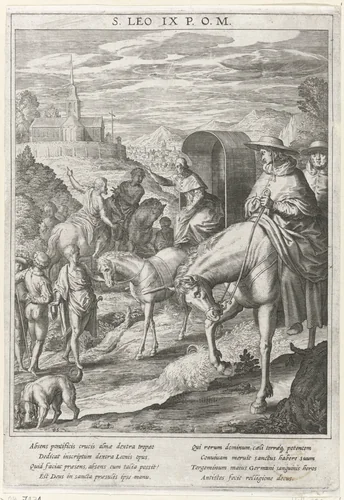
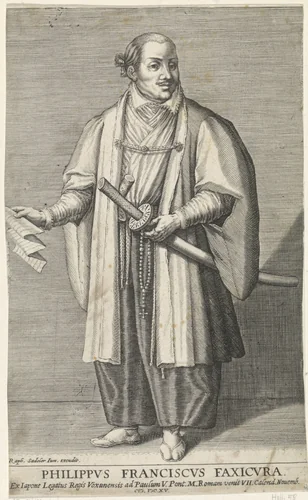
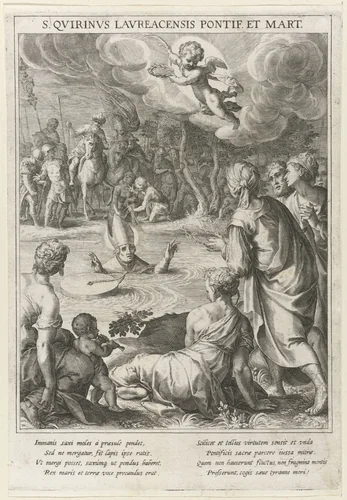
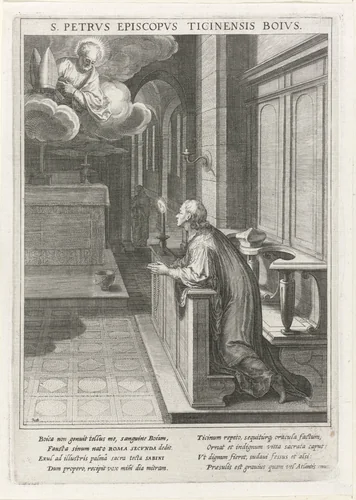
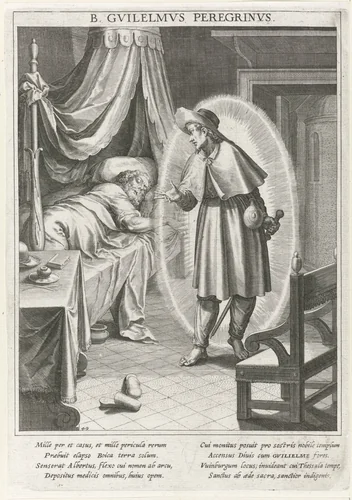
Raphaël Sadeler was a printmaker whose documented active period spanned the late 16th and early 17th centuries, operating between 1582 and 1615. His known output focused exclusively on detailed engravings and etchings, typically addressing complex religious, historical, and hagiographic narratives.
Fifteen of Sadeler’s prints are represented in major international museum collections, establishing his work in the historical record. The Rijksmuseum, for example, holds significant examples of his output.
Sadeler's subjects often required intricate figure composition and dense storytelling, exemplified by works such as Christus wordt in Getsemane getroost door een engel, de Heilige Dominicus en de Heilige Catharina van Sienna and the historical scene Bekering van de koning van de Lombarden door koningin Theodelinda. Other notable works held in collections include the biblical narrative Susanna en de ouderlingen and the hagiographic composition Bertha van Biburg en haar broer stichten een klooster op bevel van twee heiligen.
These preserved Raphaël Sadeler prints, created during the transition from Mannerism, provide valuable insight into late Renaissance printmaking techniques. Due to their age, many of the original plates and subsequent impressions are now available in the public domain, enabling reproduction as high-quality prints for study and exhibition.