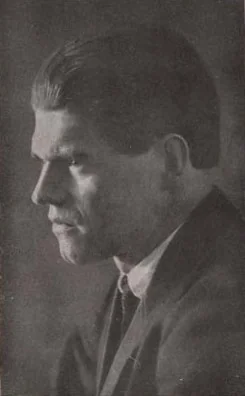
Raoul Hausmann
Raoul Hausmann (1886-1971) stands as one of the most intellectually rigorous and formally inventive figures of the 20th-century European Avant-Garde. An Austrian artist and writer, he was instrumental in establishing Dada in Berlin following the catastrophic conclusion of World War I. While contemporary Dada movements elsewhere focused on abstract chance, Hausmann and his Berlin compatriots weaponized Dada as a potent tool for institutional critique and fierce political engagement. His contribution was characterized by a profound rejection of traditional pictorial representation in favor of fragmentation, material truth, and immediate sensory experience.
Hausmann is perhaps best known for pioneering experimental photographic collages, a technique he often termed photomontage. This method, which typically incorporated fragmented text, found objects, and mass-media imagery, allowed him to dissect and reassemble the chaos of modern urban life, creating biting commentaries on contemporary culture. His innovations extended beyond the visual realm; he was also a key early explorer of sound poetry, utilizing phonetic sequences and abstract vocalizations as a raw, non-semantic language—an auditory parallel to his visual deconstructions.
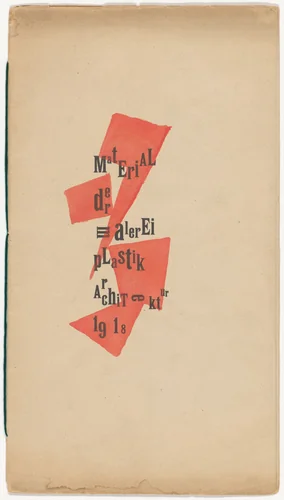
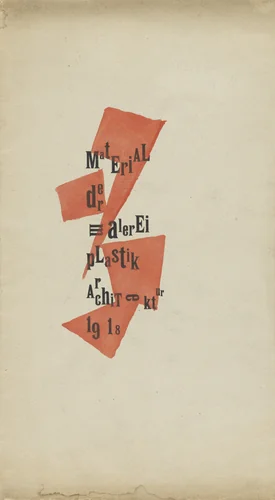
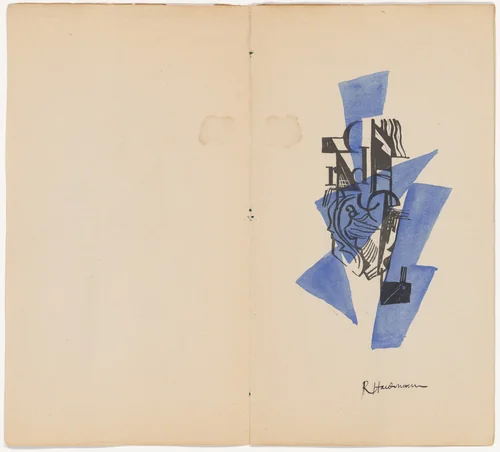
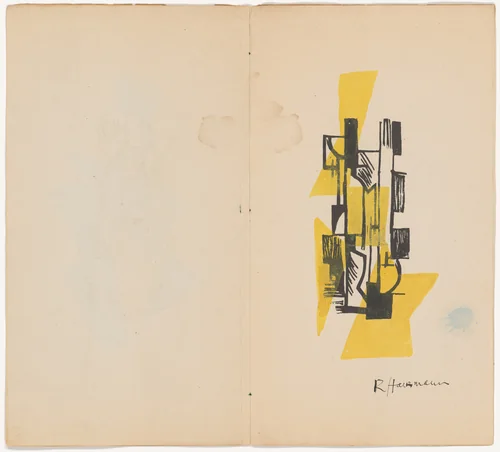
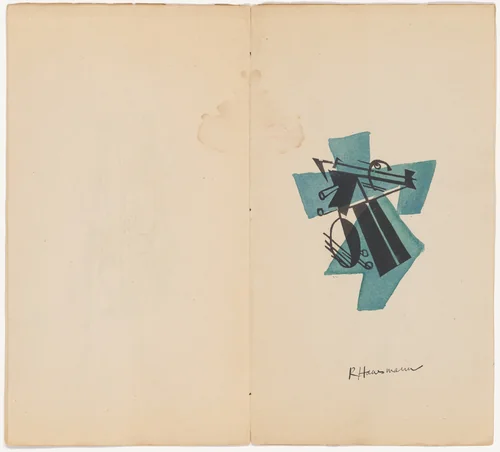
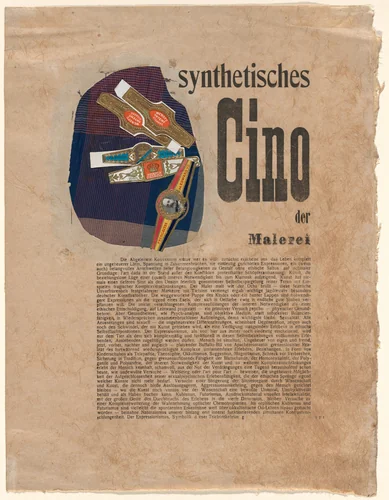
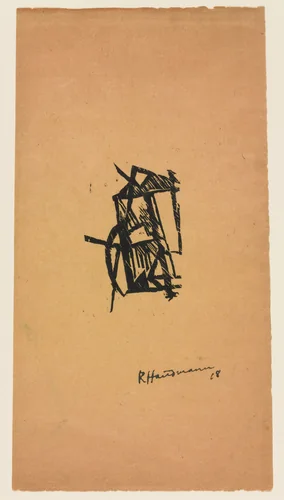
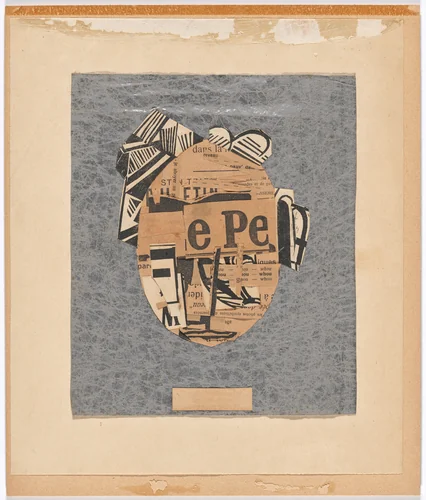
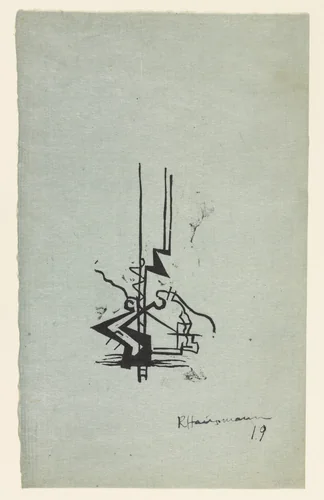
During the crucial years of 1918 to 1920, Hausmann was intensely active. This period saw the creation of several important drawings and prints, culminating in illustrated publications, including the seminal book Material der Malerei Plastik Architektur (Material of Painting, Sculpture, Architecture). The work, documented through its front cover and plates 3, 4, and 5, functions as a visual and theoretical manifesto, outlining his commitment to structural form and the primacy of the material itself.
Hausmann's output, encompassing influential Raoul Hausmann prints and theoretical writings, had a profound and lasting impact on subsequent generations of artists exploring conceptual and performance practices. His work represents a vital hinge between early 20th-century rejection of aesthetics and later conceptual art movements. It is perhaps telling that, despite his often severe critique of established art systems, his groundbreaking works today reside in major collections, including the Museum of Modern Art, underscoring their museum-quality significance. Many of these historically valuable pieces, having entered the public domain, are now available as downloadable artwork for scholars and enthusiasts worldwide. His institutional critiques, always sharp and occasionally infused with surprising humor, continue to challenge and redefine the limitations of art a century later.
Source: Wikipedia · CC BY-SA 4.0
![Untitled (Men’s Floor Exercises [Prostná cvičení mužů]) by Raoul Hausmann, drawing, 1920](https://img.artbee.org/1e8d2c0d-9d06-42ca-82be-5c3538414535/small.webp)