Ralph Earl
Ralph Earl (1751-1801) stands as a foundational American artist, primarily celebrated for his commanding portraiture and, secondarily, for his notable landscape paintings. Active during the transitional period spanning roughly 1780 to 1800, Earl’s work provides a compelling visual document of the newly empowered American professional class, establishing aesthetic precedents that defined the nation’s early federal style.
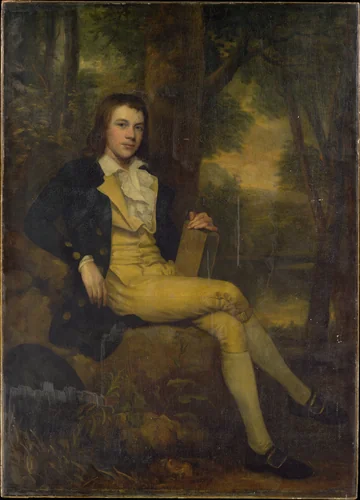
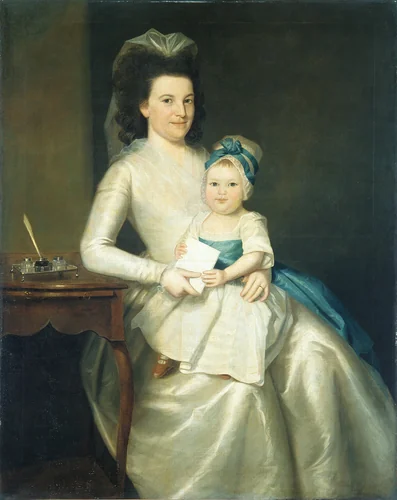
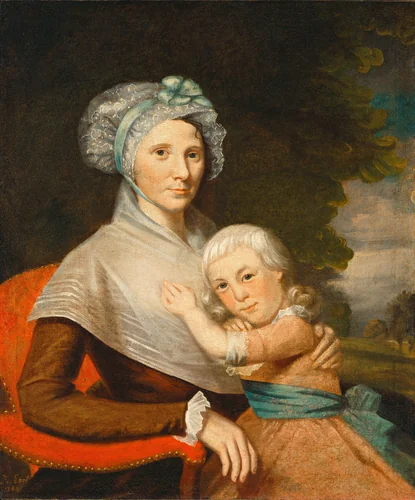
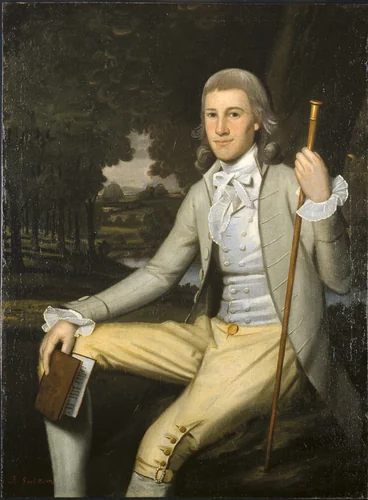
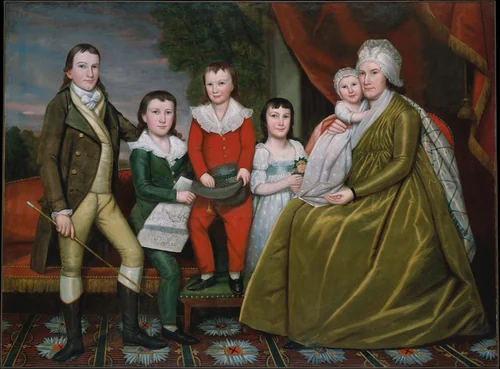
Earl’s approach to painting was characterized by a distinct clarity and forthright realism. Unlike his contemporaries who sometimes employed generalized European backgrounds, Earl typically situated his sitters within recognizable, often richly detailed American settings, reinforcing their connection to the land and their documented success. Works like Master Rees Goring Thomas and Lady Williams and Child exemplify his ability to convey individual character while meticulously detailing the trappings of colonial wealth, from fine lace to polished furniture.
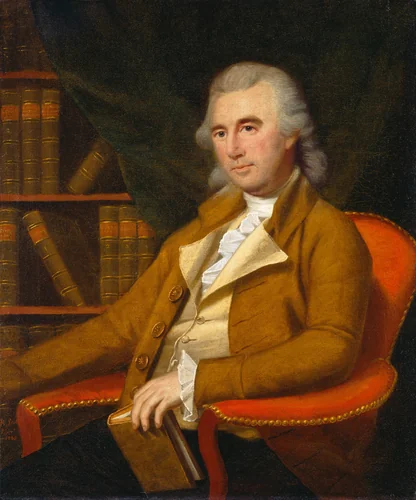
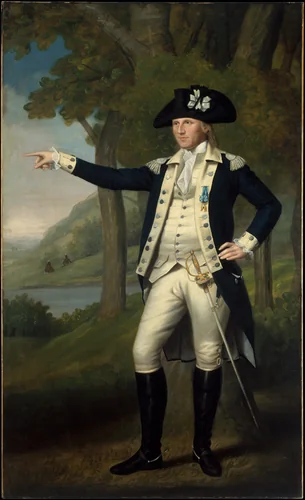
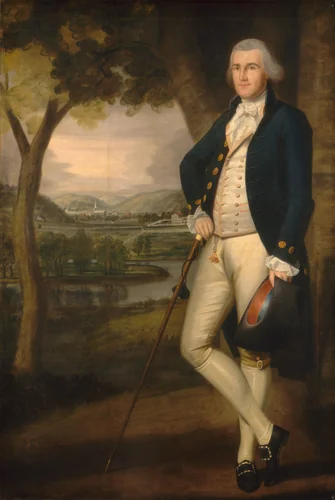
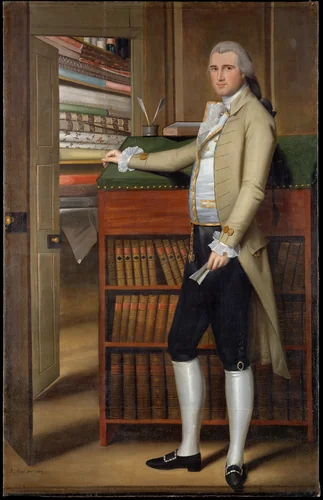
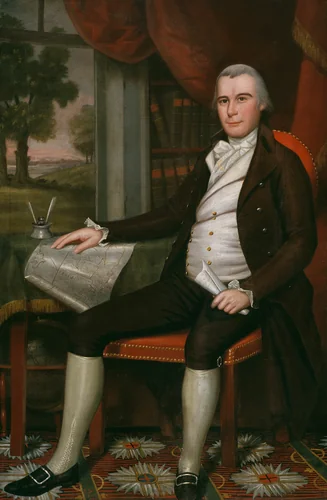
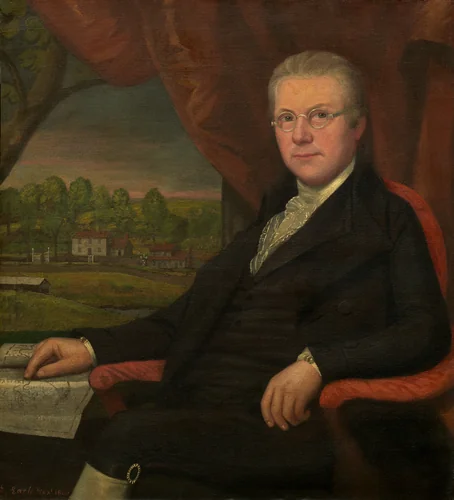
His technique favored sharply defined lines and unmodulated color, lending a monumental stability to his subjects, such as Dr. David Rogers and Marinus Willett. Earl understood the sociological significance of his commissions; he painted people who wanted their achievements, lineage, and carefully calibrated status documented for posterity. An understated observation in reviewing Earl's oeuvre is his knack for placing sitters in poses of considered, almost static dignity, subtly emphasizing stability in a dynamic, post-revolutionary society. This clarity of vision cemented his reputation among the prosperous elite of New York and New England.
The importance of Ralph Earl paintings is underscored by their inclusion in major American institutions, including the Metropolitan Museum of Art, the National Gallery of Art, and the Art Institute of Chicago, confirming the enduring, museum-quality standard of his output. As Earl's body of work now resides securely in the public domain due to its eighteenth-century origin, his artistic contributions are more accessible than ever before. Scholars and enthusiasts can easily access downloadable artwork and high-quality prints, ensuring that the legacy of Ralph Earl prints continues to inform our understanding of the American artistic evolution. The availability of royalty-free reproductions guarantees that this crucial visual history remains widely disseminated and studied.
Source: Wikipedia · CC BY-SA 4.0