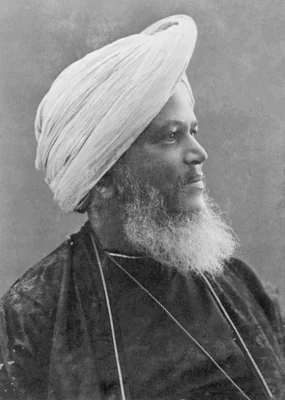
Raja Deen Dayal
Raja Lala Deen Dayal, universally known as Raja Deen Dayal, occupies a singular and crucial position in the history of 19th-century Indian photography. Active from the mid-1870s, he quickly transitioned from a freelance commissioned photographer to a figure of official importance within both the British Raj administration and the princely states. His professional success was rooted not only in the technical mastery required by the demanding albumen print process but also in his acute sense of documentation, capturing both the grandeur of imperial authority and the minute logistics of military and administrative life, as evidenced in album studies such as Bullocks of Elephant Battery, Jhansi.
Deen Dayal established a professional footprint that spanned the breadth of the subcontinent, launching successful studios in significant metropolitan hubs including Indore, Mumbai, and Hyderabad. This sophisticated geographical distribution underscored his capacity to manage simultaneous, high-volume, and high-quality commissions for powerful clients.
In 1885, his established reputation for discretion and unparalleled visual accuracy earned him the prestigious appointment as photographer to the Viceroy of India. This essential royal association was cemented soon after when he became the official court photographer to the sixth Nizam of Hyderabad, Mahbub Ali Khan, Asif Jah VI. The Nizam, recognizing Deen Dayal’s profound artistic and administrative contributions, bestowed upon him the elevated honorific title Raja Bahadur Musavvir Jung Bahadur, a rare recognition for a commercial artist of his stature.
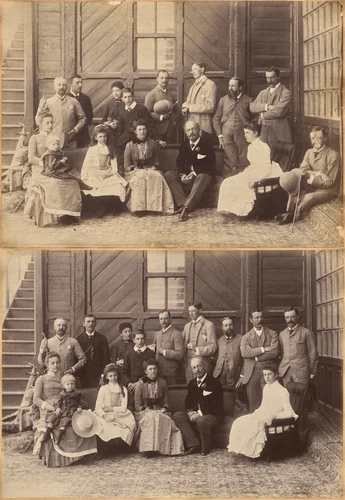
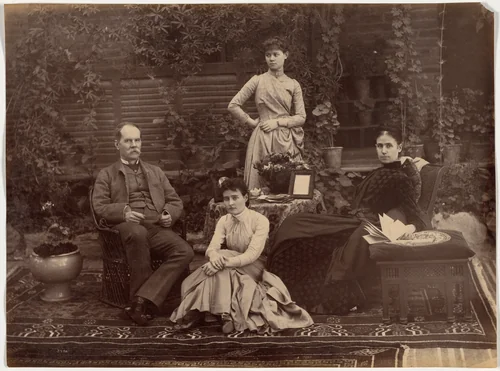
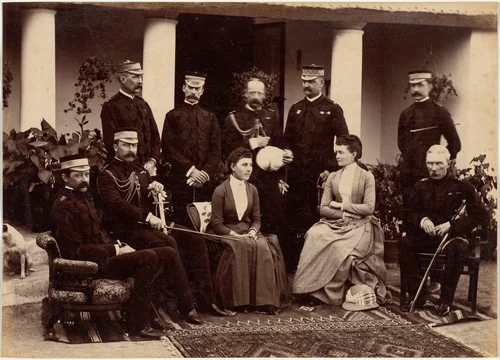
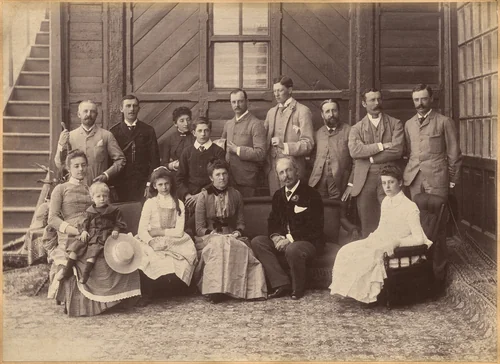
Deen Dayal’s extensive oeuvre comprises thousands of images, many preserved in comprehensive albums chronicling state visits, infrastructure projects, and military exercises, including detailed administrative studies like B. c/o Devonshire Regiment, Jhansi. It is perhaps this dedication to recording the machinery of power, rather than just its portrait, that gives his work enduring historical value. Though he did not create Raja Deen Dayal paintings, his masterful photographic studies are recognized today as museum-quality documents, offering an invaluable record of late colonial India. A significant portion of these images is now available in the public domain, offering downloadable artwork and high-quality prints that attest to his foundational role in shaping the visual history of the period.
Source: Wikipedia · CC BY-SA 4.0