Raffaellino del Garbo
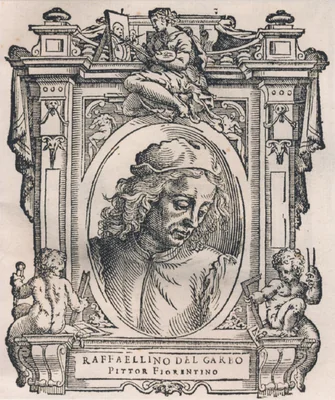
Raffaellino del Garbo (1466–1527) stands as a precise and influential Florentine painter whose active career, spanning the crucial decades of the late Quattrocento, bridged the meticulous detail of the Early Renaissance with the nascent sophistication of the High Renaissance. Working primarily in Florence, Del Garbo’s output, though modest in surviving numbers, reveals a mastery of drawing and a delicate approach to devotional subjects, establishing him firmly within the lineage of masters like Filippo Lippi and Domenico Ghirlandaio.
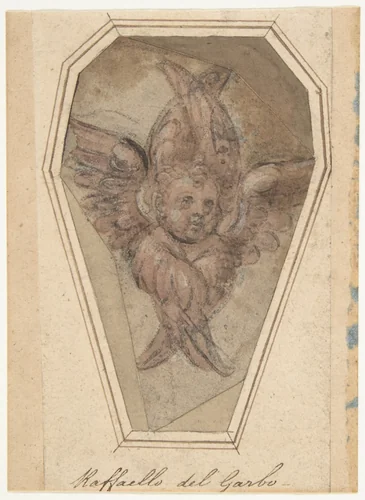
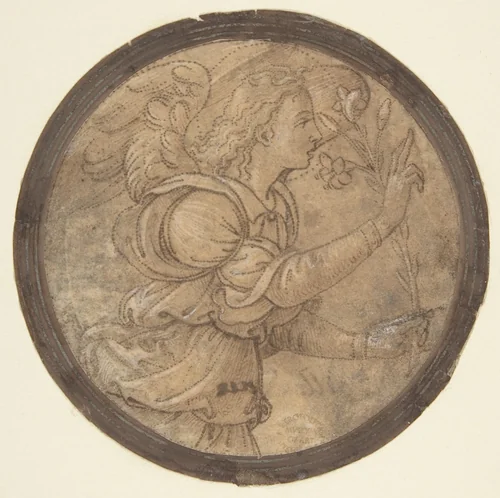
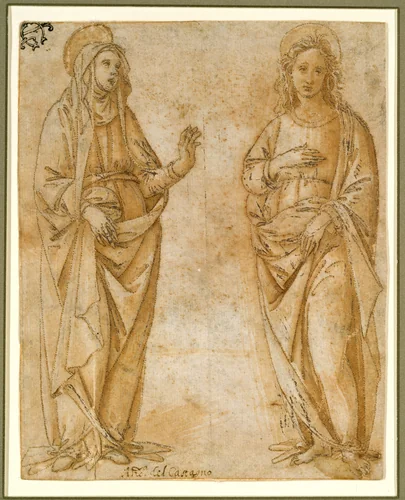
His versatility extended beyond conventional panel painting, emphasizing preparatory draftsmanship for other luxury arts. This is evident in pieces such as A Seraph and The Angel of the Annunciation, both executed as rigorous cartoons for embroidery. These works showcase the artist’s acute attention to line, necessary for the translation of complex compositions into textile media, demonstrating how the Renaissance workshop managed specialized, highly collaborative production. This meticulous approach to detailing facial expression and the fall of drapery defines his output.
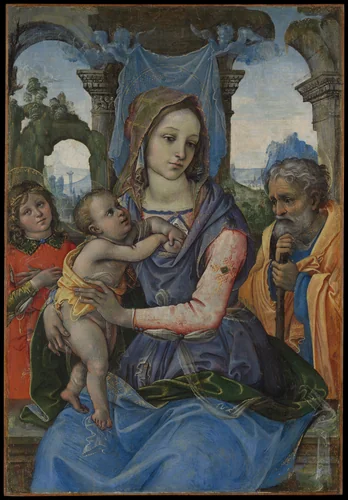
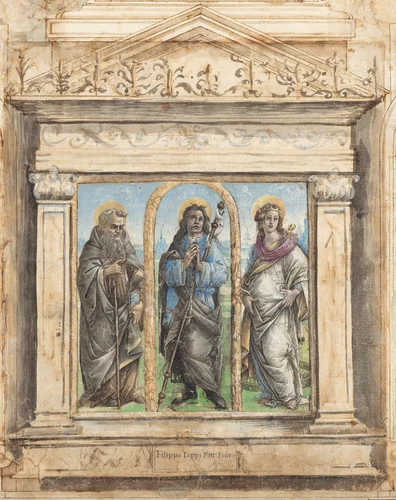
Del Garbo’s principal paintings and drawings often center on sacred narratives. The composition of Holy Family with an Angel typifies the quiet intimacy preferred by Florentine patrons, while the more formally structured Saint Roch between Saints Anthony Abbot and Catherine of Alexandria illustrates his competence in arranging multiple saints in a cohesive, reverential space. An observation occasionally noted by scholars is Del Garbo’s uncanny ability to imbue even minor figures, like background angels, with an individuality suggesting a specific psychological interior life.
Today, the quality of Del Garbo’s draftsmanship is attested by its retention in major international collections, including the Metropolitan Museum of Art and the National Gallery of Art. The importance of these foundational studies ensures that the legacy of Raffaellino del Garbo paintings and preparatory works remains accessible. Fortunately for researchers and enthusiasts, many of his key studies are increasingly available as downloadable artwork, allowing immediate engagement with the elegant, refined style that characterized the Florentine workshops leading up to the sixteenth century. This availability ensures that museum-quality reproductions of his work can reach a global audience.
Source: Wikipedia · CC BY-SA 4.0