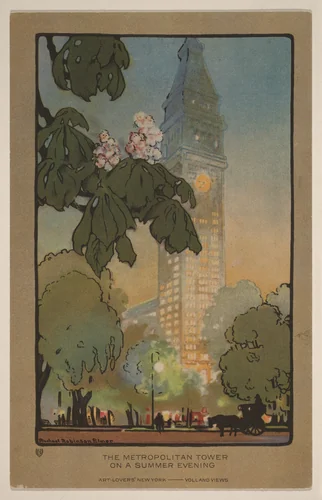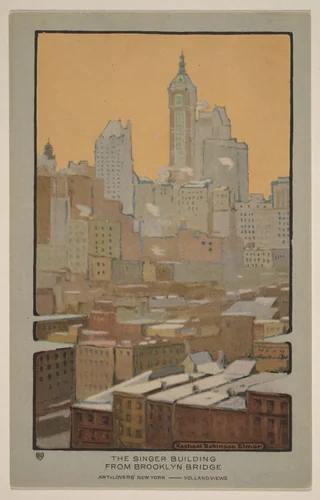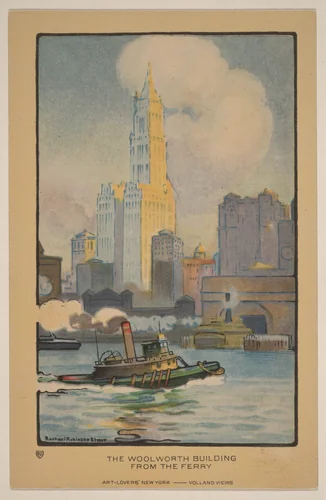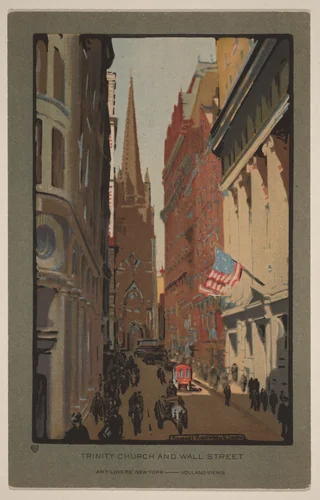
Rachael Robinson Elmer
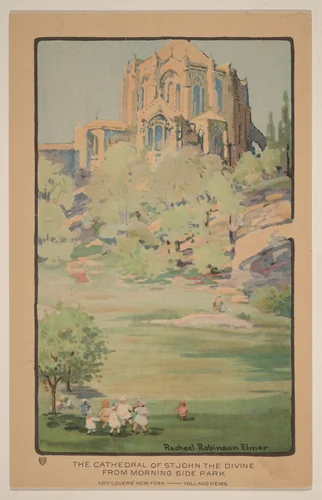
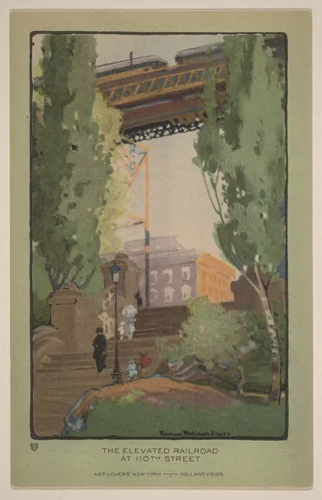
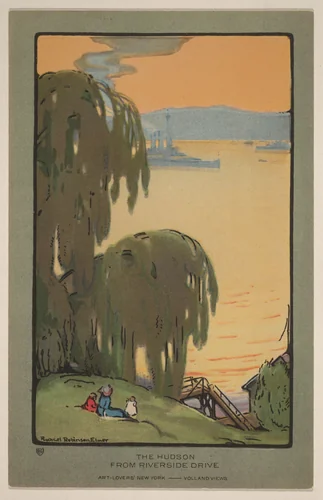
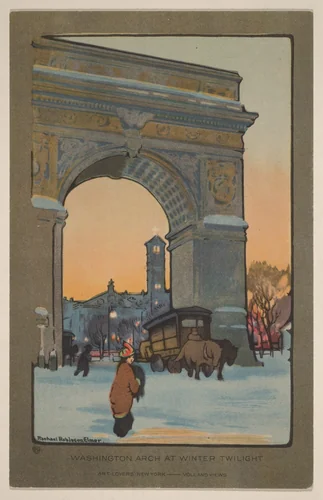
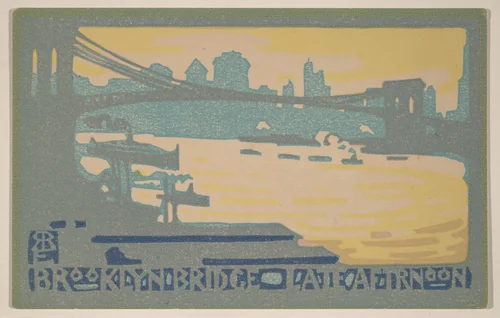
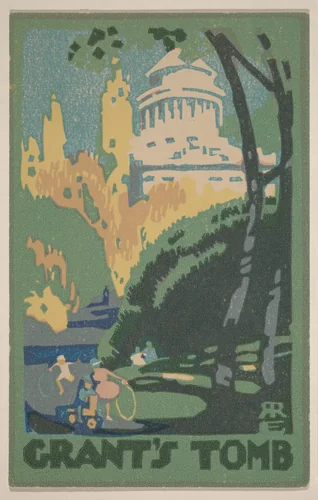
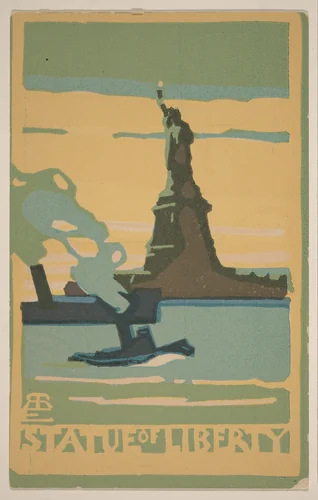
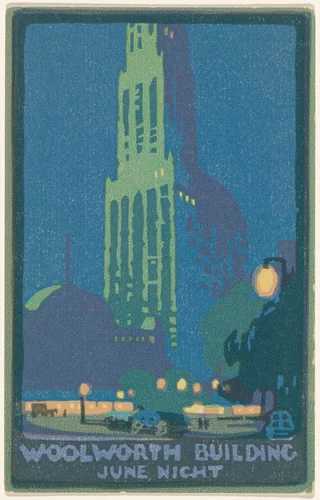
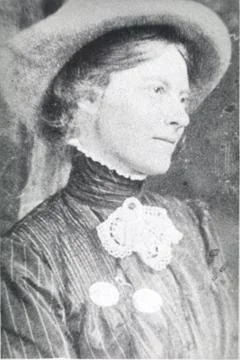
Rachael Robinson Elmer, an American artist hailing from Vermont, established a significant, if brief, career spanning the pivotal years between 1902 and 1916. She is chiefly recognized for her profound influence on American visual culture, particularly through the medium of the postcard. At a time when postcards were rapidly becoming a mass-market phenomenon, Elmer distinguished herself by applying a rigorous, painterly aesthetic to commercial printmaking, effectively elevating the standard of the entire industry. Contemporary critics noted that her sophisticated approach fundamentally "changed the world of American postcards."
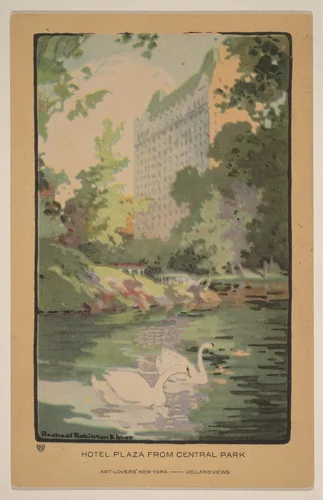
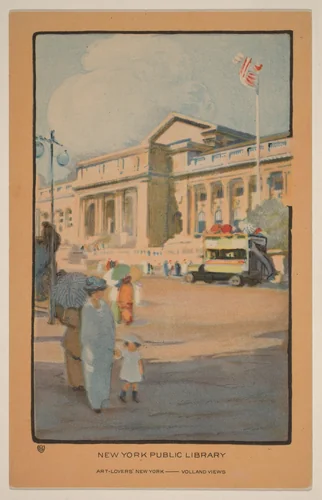
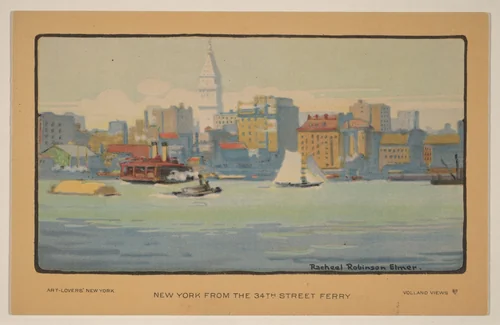
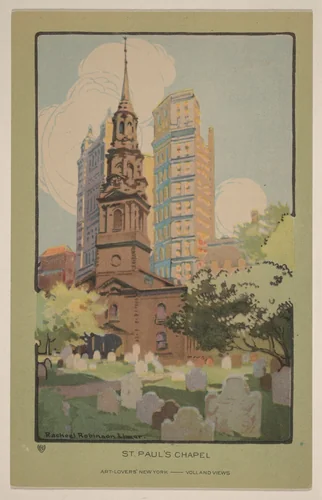
Elmer’s focus was primarily the burgeoning metropolis of New York City, which provided her with rich architectural and infrastructural subjects. Her works are defined by a delicate clarity of line and a sophisticated understanding of atmosphere, transforming routine street scenes into evocative vignettes. Among the approximately fifteen known prints she produced are definitive views of the city’s landmark structures and public spaces. These include the elegant vista captured in Hotel Plaza from Central Park, the masterful architectural rendering of the New York Public Library, and the dynamic streetscape found in New York from the 34th Street Ferry. She also preserved moments of historical permanence, such as the view of St. Paul’s Chapel.
The lasting quality and artistic merit of these Rachael Robinson Elmer prints are confirmed by their inclusion in the collections of major institutions, including the Metropolitan Museum of Art and the National Gallery of Art. It is a minor, perhaps delightful, irony that the very works initially produced for rapid tourist consumption now function as museum-quality documents of early 20th-century life and design.
Although her most productive period ended around 1916, Elmer’s visual standard set a lasting benchmark for illustration and commercial art. She perfected the visual souvenir, demonstrating that mass-produced images could carry significant artistic weight. Today, much of her output is easily accessible; high-quality prints and other downloadable artwork based on her originals frequently reside within the public domain, ensuring that her precise and evocative vision of the Gilded Age city remains available to researchers and admirers worldwide.
Source: Wikipedia · CC BY-SA 4.0