- PRT - UNOCHA.svg)
Portugal
The artistic output historically designated as Portugal comprises a significant body of textile work, predominantly spanning the crucial period between 1601 and 1840. This sustained production reflects the nation's unique geopolitical position as the westernmost point of continental Europe, strategically bordered by Spain to the north and east, and facing the vast expanse of the North Atlantic Ocean. This maritime centrality, anchored by its autonomous regions including the Macaronesian archipelagos of the Azores and Madeira, fostered an environment ripe for the exchange of raw materials and design sensibilities across continents, directly influencing the character and ambition of its localized workshops.
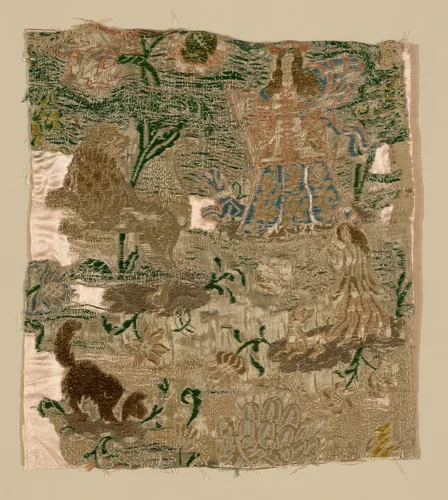
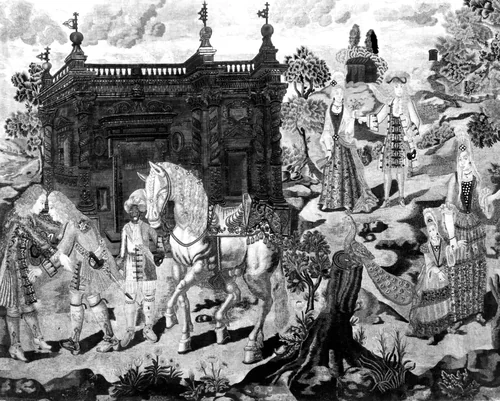
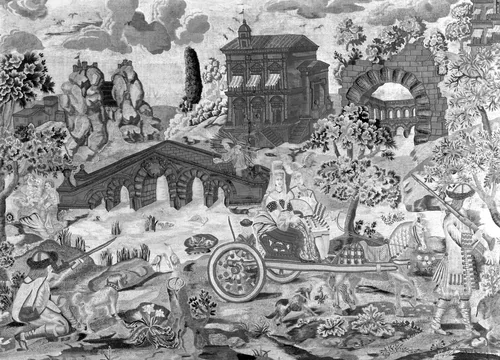
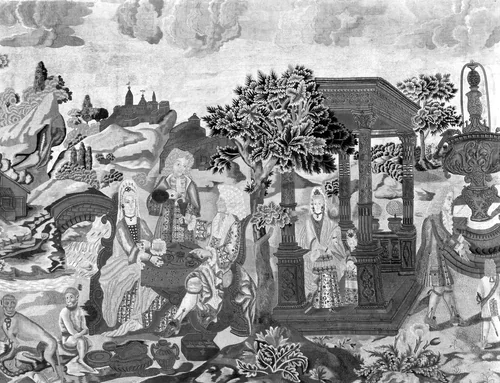
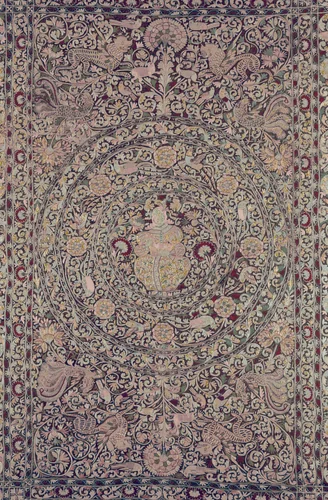
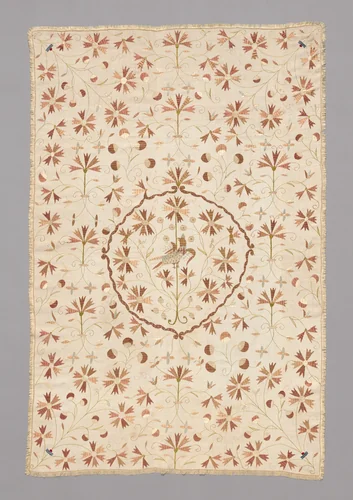
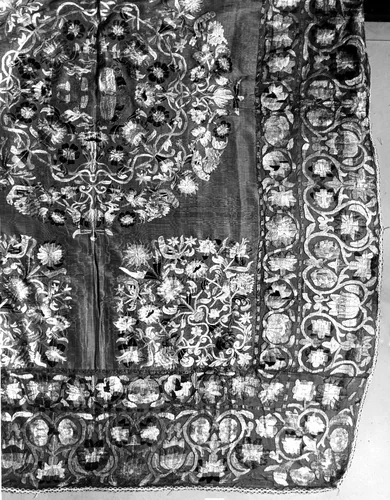
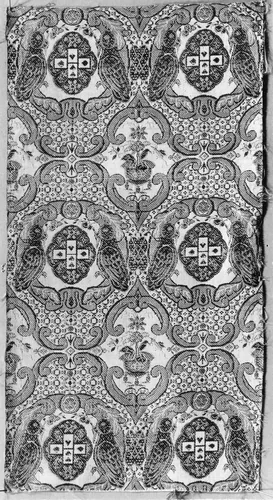
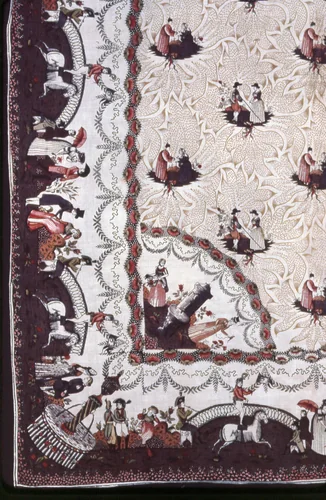
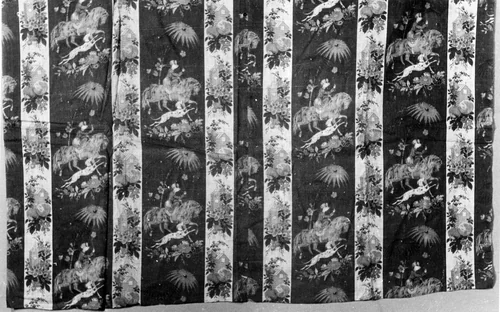
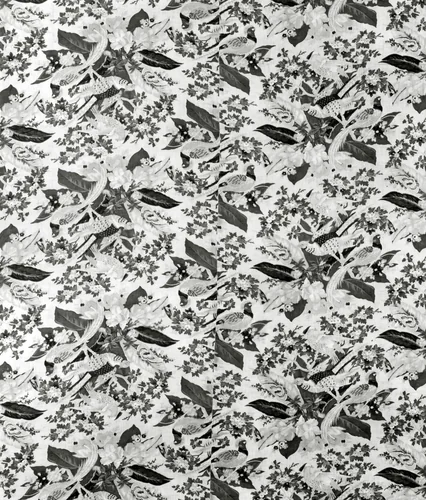
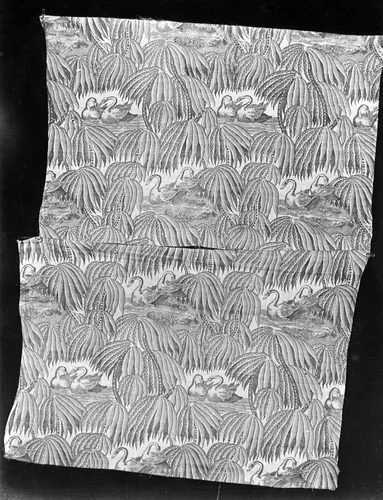
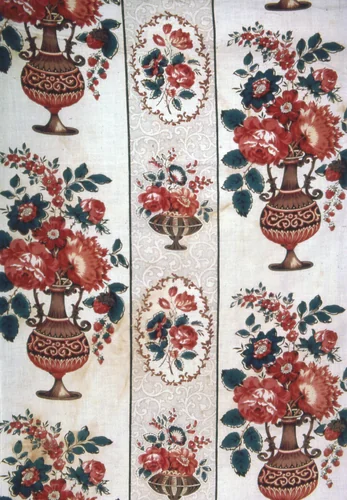
The textile catalog originating from this period—largely composed of panels, fragments, and large-scale domestic furnishings—demonstrates technical complexity and a sophisticated grasp of decorative narrative. The thirteen documented works in major international collections, such as the Art Institute of Chicago, attest to the high standard of Portuguese artistry during the Age of Commerce. A signature example is the ambitious Bedcover Depicting the Five Senses, a piece which transcends mere utility, serving as a complex visual allegory executed with exceptional embroidery detail.
While attribution often remains focused on geographical origin due to the nature of workshop production, the consistency of technical innovation found in these textiles speaks to a robust, long-standing artisanal tradition centered around the primary metropolitan hubs of Lisbon and Porto. These panels and bedcovers reveal a dynamic interaction between traditional European motifs and imported Eastern iconography, utilizing both local fibers and exotic silks secured through expansive trade networks.
The enduring quality of these historical textiles ensures their status as museum-quality artifacts. Today, the detailed patterns and rich imagery inform contemporary decorative arts, with many original designs now available as high-quality prints. The enduring legacy of this period confirms that Portugal, situated on the western periphery of Europe, was anything but peripheral in its contribution to global textile excellence. For researchers and enthusiasts alike, these historical designs often enter the public domain, ensuring this vibrant history continues to inspire modern design and collection efforts, including the popular category of Portugal prints.
Source: Wikipedia · CC BY-SA 4.0