Pompeo Girolamo Batoni
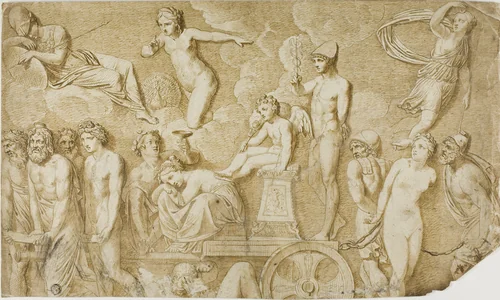
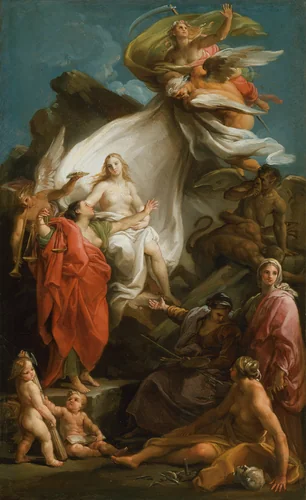
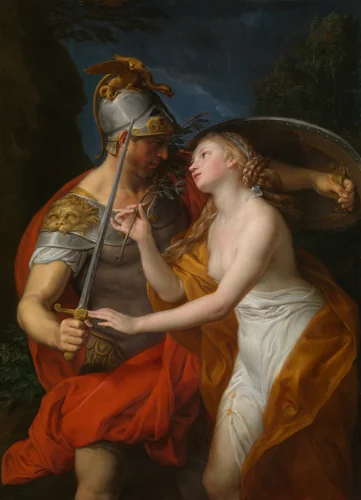
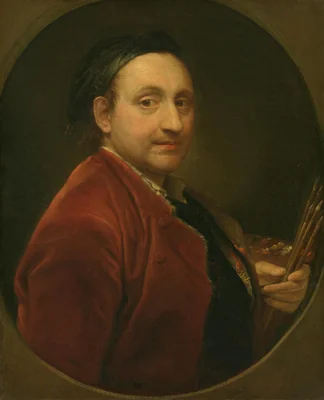
Pompeo Girolamo Batoni (1700-1776) was the preeminent Italian painter working in Rome during the mid-18th century. Defined by a solid, rigorous technical knowledge, Batoni successfully navigated the aesthetic transition between the late Baroque and nascent Neoclassicism. His practice encompassed complex mythological scenes, detailed religious subjects, and highly sought-after allegorical compositions, exemplified by works such as Time Unveiling Truth.
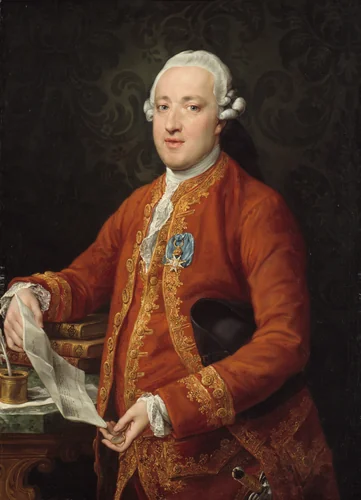
Batoni’s enduring historical significance derives largely from his commercial acumen and mastery of the portrait genre. The mid-eighteenth century saw Rome established as the mandatory climax of the European ‘Grand Tour.’ This constant flux of wealthy foreign visitors, primarily northern European and British nobility, created an unprecedented demand for sophisticated mementos. Batoni recognized and capitalized on this market, becoming the de facto painter for this international clientele. His full-length Grand Tour portraits expertly combined the sitter’s likeness with fashionable classical or historical attributes, transforming the traditional commemorative painting into a powerful document of enlightened European identity. Many of these important Pompeo Girolamo Batoni paintings are today held in major international collections.
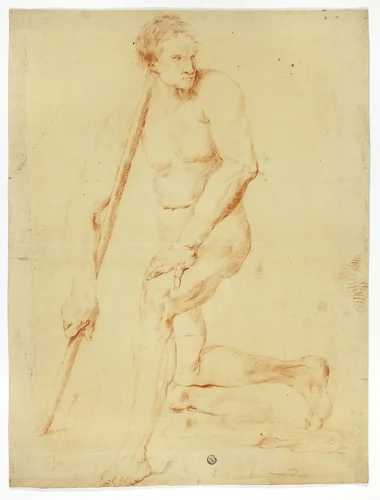
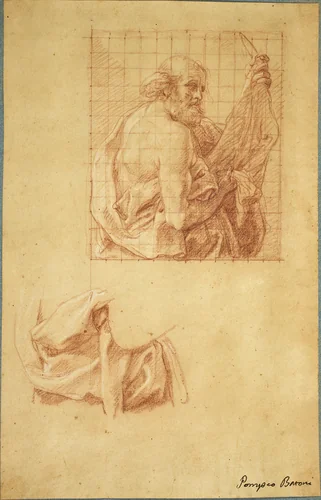
His technical command was underpinned by an unwavering dedication to academic study, a skill reflected in detailed preparatory sketches like Study for Saint Bartholomew and Drapery and the foundational exercise Academic Male Nude Leaning on Staff. Although specializing in commissioned portraits, Batoni maintained the highest standards of history painting, which is perhaps a testament to his unique ability to manage a flourishing commercial business while simultaneously upholding the rigorous aesthetic demands of the Roman Academy.
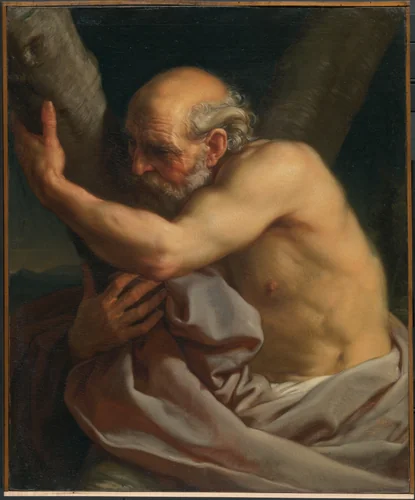
Throughout his prolific career, Batoni created works that cemented his influence on the subsequent generation of artists who would fully embrace Neoclassicism. His legacy continues to be studied across his diverse output, from monumental altar pieces like Saint Andrew to intimate preparatory drawings. Recognizing the foundational importance of his work, scholars and institutions make available high-quality prints and royalty-free images of many of his paintings, allowing access to the work of this definitive 18th-century master.
Source: Wikipedia · CC BY-SA 4.0