Pompeo Batoni
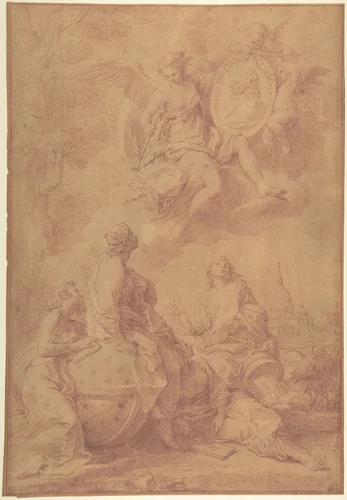
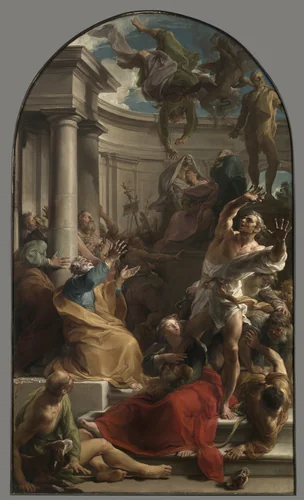
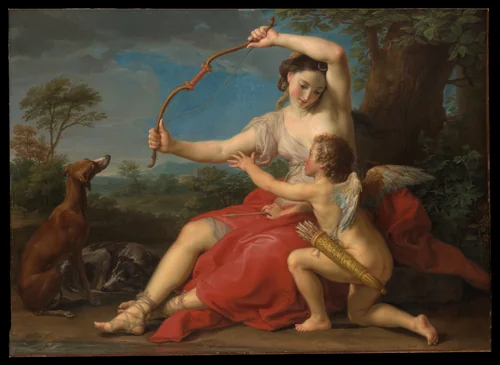
Pompeo Girolamo Batoni (1708-1762) stands as one of the preeminent Italian painters of the mid-eighteenth century, effectively bridging the late Baroque tradition with emerging Neoclassicism. Active primarily in Rome, Batoni established a reputation for technical mastery across his formidable output of portraiture, mythological scenes, and allegorical commissions. His solid technical knowledge, evident in works such as the monumental Allegory in Honor of Pope Benedict XIV, ensured his position at the apex of the city's artistic establishment.
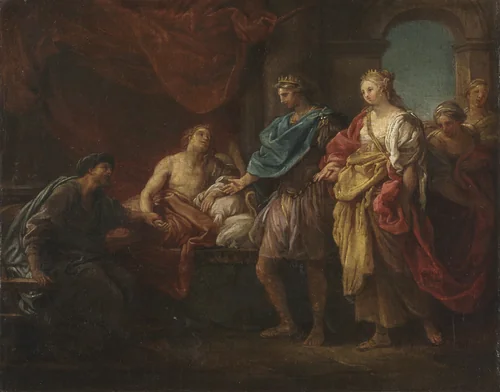
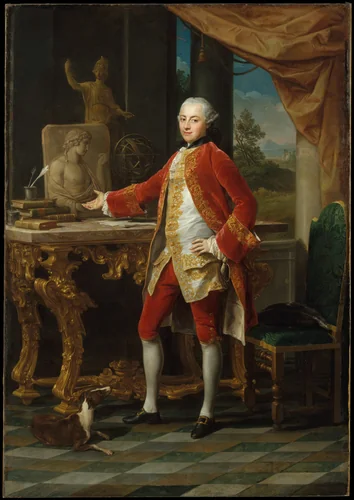
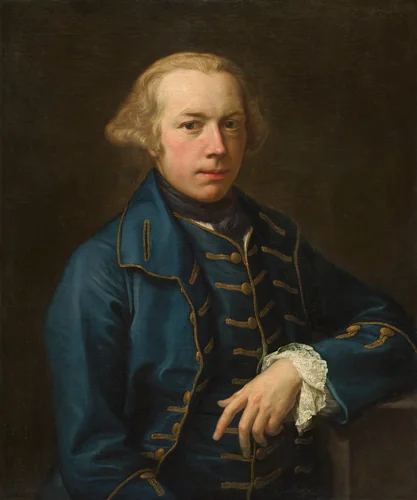
Batoni’s greatest fame, and commercial success, derived from specializing in portraiture. His active years coincided precisely with the height of the "Grand Tour," the customary European journey undertaken by wealthy foreigners, particularly Britons. As Rome was the obligatory destination, Batoni positioned himself skillfully to capture these international visitors. His capacity to flatter sitters while maintaining a convincing sense of character made his studio the most fashionable in the city. Batoni essentially defined the Grand Tour souvenir, producing portraits that often featured classical ruins or symbolic props, granting the subject an air of educated sophistication. This specialization resulted in numerous Pompeo Batoni paintings entering prestigious European private collections, now often visible in institutions like the Metropolitan Museum of Art and the National Gallery of Art.
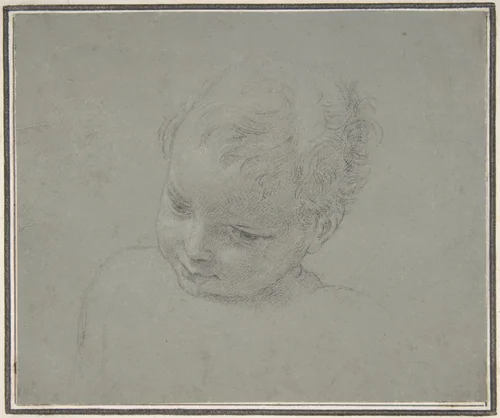
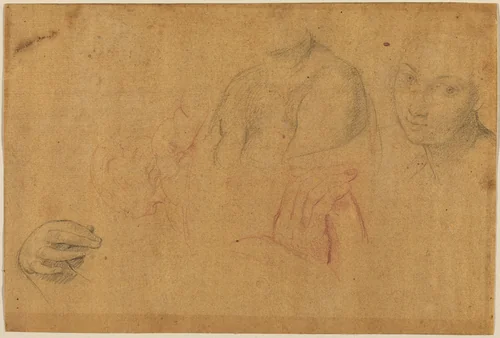
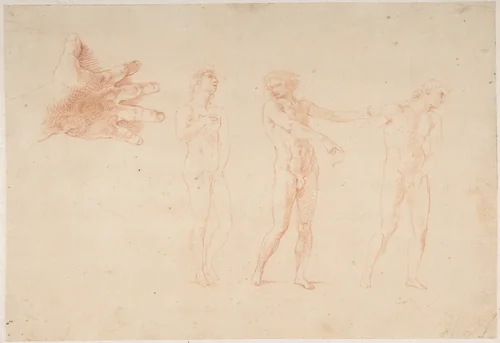
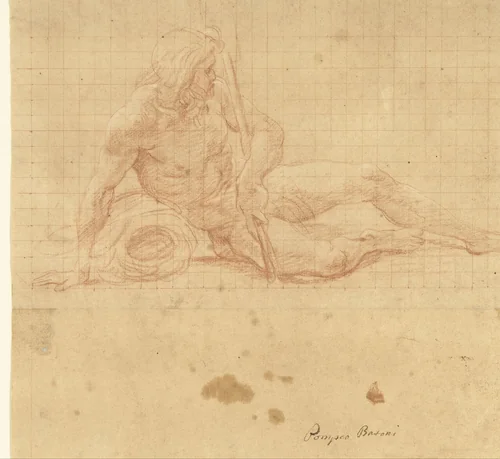
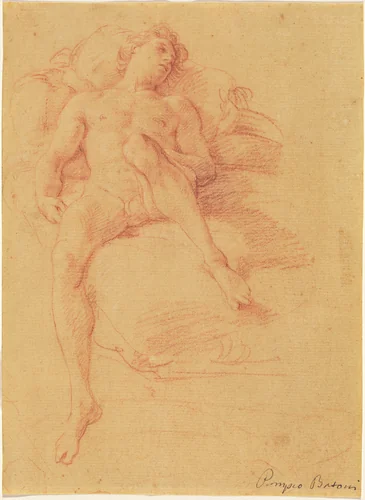
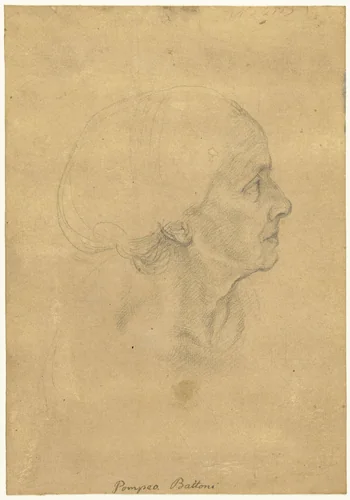
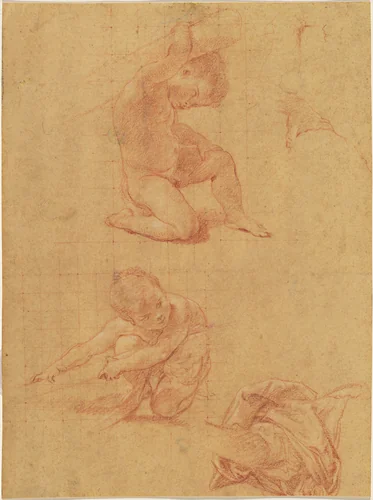
While celebrated for his full-length portraits, the preparatory studies and less formal works reveal an equally compelling draughtsman. Drawings such as Bust-Length Study of a Child and Sketches of Heads and Hands showcase a meticulous attention to anatomy and human expression. His studies of the figure, including Three Nude Male Figures; Study of the Right Hand of the Figure on the Left, served as foundational elements for his larger mythological canvases, like the captivating Liggende riviergod.
Batoni’s pervasive influence was cemented not only by his artistic output but by his role as a teacher and cultural touchstone; it was a rare foreign visitor to Rome who did not seek out the services of his studio, or at least his counsel. Today, the foundational quality of his work ensures continued academic interest, with many Pompeo Batoni prints and drawings available as high-quality prints and downloadable artwork through major international museum initiatives. His sustained historical impact and sheer professionalism have guaranteed him a permanent place in the canon of eighteenth-century European art.
Source: Wikipedia · CC BY-SA 4.0